The best podcast recorders with external microphone input give you more control than a phone or laptop alone. They can support dynamic or condenser microphones, simplify multitrack recording, and help you capture interviews in studios, homes, or on location.
Our roundup covers compact two-channel units, multitrack podcast mixers, and rugged field recorders. The right choice depends on how many people you record, which microphones you use, and whether you need remote-call, USB, or live-streaming features.
Best 10 Podcast Recorders with External Microphone Input Picks for 2026
Best for Multi-Person Podcasts

- Four XLR mic inputs with phantom power
- Four headphone outputs with volume controls
- Mix-minus for phone and remote interviews
Best For: Group podcasts and portable remote interviews
Best for Flexible Field Recording

- Two XLR/TRS inputs for external mics or instruments
- 32-bit float recording for clip-free audio
- USB-C and SD card recording options
Best For: Portable podcast, video, music, and interview recording
Best for Podcast Production Control

- Four XLR/TRS mic inputs and four headphone outputs
- 14-track SD recording and touch-screen control
- Customizable sound pads plus Bluetooth and USB
Best For: Desktop podcast studios and live streaming
Best for Portable Two-Mic Recording
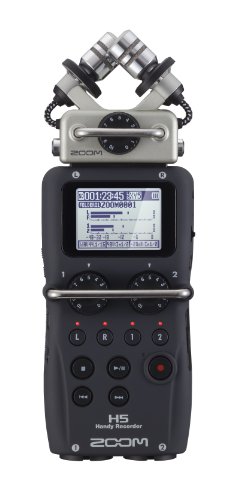
- Two XLR/TRS inputs with phantom power
- Detachable shock-mounted X/Y microphone capsule
- Four-track recording and USB interface mode
Best For: Two-person podcasts and mobile audio for video or music
Best Two-Person Setup

- Two USB microphone inputs
- Mix-minus for remote guests
- Includes 64GB microSD card
Best For: Two-person podcasts and remote interviews
Best Portable All-in-One

- 32-bit float recording
- Built-in X/Y microphones
- USB microphone functionality
Best For: Portable recording, streaming, and quick interviews
Best Pro XLR Option

- Dual locking XLR/TRS inputs
- 32-bit float recording
- Ultra-low-noise preamps
Best For: Professional XLR microphones and location recording
Best Compact Choice

- 32-bit float clip-free recording
- X/Y stereo microphones
- USB-C microphone mode
Best For: Portable podcasting, interviews, and content creation
Best Advanced Multitrack Option

- Up to six individual tracks plus stereo mix
- 32-bit float and look-ahead limiters
- Up to 15 hours on four AA batteries
Best For: Multitrack podcast, film, music, and location recording
Best XLR Starter Recorder
Zoom H1 XLR 2-Channel Recorder

- Two locking XLR/TRS inputs
- 32-bit float recording up to 96 kHz
- 3.5 mm stereo input and headphone output
Best For: Two-microphone podcasts, interviews, and portable external-input recording
Best for Multi-Person Podcasts – Zoom PodTrak P4
For creators comparing podcast recorders with external microphone input, the Zoom PodTrak P4 is built around four XLR microphone inputs, making it a practical choice for group shows and interviews. It also adds four individually controlled headphone outputs, programmable sound pads, and phone or USB connectivity for remote guests.
Best For: Multi-person podcasts, remote interviews, and portable recording setups.
Pros:
- Four microphone inputs with phantom power support.
- Four headphone outputs with individual volume control.
- Automatic mix-minus for phone and remote interviews.
- Battery powered and supports multitrack recording with sound pads.
Cons:
- Battery life is listed at up to 3.5 hours on two AA batteries.
- Its feature set is focused on podcast production rather than a larger studio mixer workflow.
The P4 is a strong fit when several people need microphones and headphones at once. Its dedicated interview features and compact battery-powered design make it especially useful for mobile podcasting.
Best for Flexible Field Recording – Zoom H4 Essential
The Zoom H4 Essential is a compact option for shoppers seeking podcast recorders with external microphone input that can also handle music, video audio, interviews, and field work. Its two XLR/TRS inputs accept external microphones or instruments, while USB-C supports recording or streaming to a compatible device.
Best For: Podcasters, filmmakers, musicians, and creators who need a versatile handheld recorder.
Pros:
- Two XLR/TRS inputs for external microphones, instruments, mixers, or soundboards.
- Built-in stereo microphones provide an additional recording option.
- 32-bit float recording is designed to help prevent distorted takes.
- Can record to an SD card while connecting to a phone, tablet, or computer by USB-C.
Cons:
- It provides two external mic inputs, fewer than dedicated four-person podcast recorders.
- Requires two AA batteries for portable use.
The H4 Essential balances handheld portability with external-input flexibility. Choose it when your recording needs extend beyond podcasts and you want built-in microphones plus XLR/TRS connectivity in one device.
Best for Podcast Production Control – TASCAM Mixcast 4
The TASCAM Mixcast 4 is a desktop-focused choice among podcast recorders with external microphone input, combining four XLR/TRS mic inputs with mixing, recording, streaming, and sound-triggering tools. Its touch screen, individual headphone outputs, Bluetooth, USB, and phone-friendly aux input support a more complete production workflow.
Best For: Studio-style podcasts, live streams, events, and voice-over production.
Pros:
- Four XLR/TRS microphone inputs and four individual headphone outputs.
- Records up to 14 tracks directly to an SD card.
- Eight banks of customizable illuminated sound pads for effects, music, and jingles.
- Includes Bluetooth, USB, aux input, mix-minus, and Tascam Podcast Editor support.
Cons:
- Its corded-electric design is less suited to mobile recording than battery-powered handheld models.
- At 2,550 g, it is substantially heavier than the portable recorders in this roundup.
The Mixcast 4 is the strongest choice here for creators who want hands-on control over a complete podcast or streaming setup. Its size and corded operation favor a permanent or semi-permanent desk setup.
Best for Portable Two-Mic Recording – Zoom H5
The Zoom H5 is a straightforward pick for anyone seeking podcast recorders with external microphone input in a compact, battery-powered format. It provides two XLR/TRS combo inputs with phantom power and a detachable X/Y microphone capsule, so it can handle external microphones, built-in stereo capture, and a range of field recording tasks.
Best For: Two-person podcasts, filmmakers, musicians, and mobile stereo recording.
Pros:
- Two XLR/TRS inputs with selectable phantom power and -20 dB pads.
- Detachable X/Y capsule with shock-mounted microphones to reduce handling noise.
- Four-track simultaneous recording and a multichannel or stereo USB audio interface mode.
- Runs on two AA batteries and records directly to SD or SDHC cards.
Cons:
- Two external inputs limit it for larger group podcasts.
- Included recording media support is listed up to 32GB.
The H5 makes sense for creators who need external microphone connectivity without moving to a larger desktop mixer. Its interchangeable capsule system also gives it useful flexibility for field, video, and music recording.
Best Two-Person Setup – Zoom PodTrak P2
The Zoom PodTrak P2 is a practical choice among podcast recorders with external microphone input, especially for two-person shows using compatible USB microphones. It records 48 kHz/24-bit WAV audio to microSD and includes a 64GB card and SD adapter.
Best For: Two-person podcasts, remote interviews, and creators who want built-in voice processing and flexible power options.
Pros:
- Two USB microphone inputs and two headphone outputs support a two-person podcast.
- Mix-minus helps prevent remote guest audio from being sent back to that guest.
- AI noise reduction, tone processing, and compression help shape voice recordings.
- Can record while streaming to a computer or mobile device.
Cons:
- Compatible USB microphones are not included.
- Its two-microphone USB design is less suited to larger group recordings.
The P2 is a focused podcasting recorder rather than a general-purpose field recorder. Its remote-guest tools, dual USB inputs, and included storage make it a well-equipped starting point for compact podcast setups.
Best Portable All-in-One – Xvive XV1-R Portable Recorder
The Xvive XV1-R combines built-in X/Y microphones with USB microphone functionality, making it a flexible option among podcast recorders with external microphone input. Its 32-bit float recording can help manage changing levels, while WAV and AAC formats support different storage needs.
Best For: Portable podcasting, streaming, interviews, and creators who want built-in microphones plus USB connectivity.
Pros:
- 32-bit float recording reduces the need to adjust gain in high-dynamic-range situations.
- Built-in X/Y microphones capture stereo audio and handle levels up to 130 dB SPL.
- Works as a USB microphone with PC, Mac, iOS, and Android devices.
- Auto-record, pre-record, and noise-reduction features support mobile workflows.
Cons:
- No headphone jack is listed, which limits direct monitoring options.
- USB audio operation uses a fixed 48 kHz sample rate.
- The supplied information does not identify a dedicated external microphone input beyond USB microphone functionality.
The XV1-R is most appealing when portability and built-in microphones matter as much as external connectivity. It offers broad device compatibility and versatile recording formats, but the lack of a headphone jack may matter for monitored podcast sessions.
Best Pro XLR Option – Zoom F3 Field Recorder
The Zoom F3 is a professional-minded option for buyers seeking podcast recorders with external microphone input through dual locking XLR/TRS connections. Its 32-bit float recording, dual A/D converters, and ultra-low-noise preamps are designed for demanding recording environments.
Best For: Podcasters using professional XLR microphones, filmmakers, musicians, and location recordists who need secure connections and wide recording headroom.
Pros:
- Two locking XLR/TRS inputs support professional microphone and line connections.
- 32-bit float recording helps capture quiet dialogue and sudden peaks without constant level adjustment.
- Ultra-low-noise preamps support clean recordings in challenging conditions.
- Flexible power and standalone or USB workflows suit long recording sessions.
Cons:
- Microphones are not included.
- Its compact professional design may be more capability than a basic podcast setup requires.
- The supplied details list WAV recording but do not specify built-in wireless or remote-guest features.
The F3 is a strong fit for podcasters who already use XLR microphones or need a recorder that can handle unpredictable levels. Its locking inputs and 32-bit float workflow prioritize reliable capture over podcast-specific convenience features.
Best Compact Choice – Zoom H1 Essential Recorder
The Zoom H1 Essential is a compact option for anyone comparing podcast recorders with external microphone input and USB recording flexibility. Its built-in X/Y stereo microphones capture voices, interviews, and ambient sound, while USB-C connectivity allows it to work as a microphone for calls, livestreams, and desktop recording.
Best For: Podcasters, interviewers, and content creators who want a lightweight stereo recorder with USB microphone mode.
Pros:
- 32-bit float recording helps provide clip-free audio.
- Built-in X/Y stereo microphones suit voices, music, and ambient recordings.
- USB-C microphone mode supports livestreams, calls, and computer recording.
- Lightweight 92 g design and up to 10 hours of battery life.
Cons:
- Uses built-in stereo microphones rather than listed XLR inputs.
- Requires two AAA batteries.
The H1 Essential is a practical entry point when portability and simple operation matter more than multi-input recording. It is especially appealing for creators who want one device for podcasts, interviews, field audio, and USB recording.
Best Advanced Multitrack Option – Zoom H6 Studio Recorder
The Zoom H6 Studio is built for more involved recording setups, making it a strong candidate among podcast recorders with external microphone input. It records up to six individual tracks plus a stereo mix, offers 32-bit float recording, and supports professional recording rates from 44.1 to 192 kHz.
Best For: Filmmakers, musicians, and podcast teams that need multitrack recording and substantial headroom for unpredictable sessions.
Pros:
- Records up to six individual tracks plus a stereo mix.
- 32-bit float recording provides broad dynamic range.
- 19.4 mm microphones handle sound levels up to 140 dB SPL.
- Up to 15 hours of operation on four AA batteries.
Cons:
- Larger and heavier than a basic portable recorder.
- Its broader feature set may be more than a simple solo podcast requires.
The H6 Studio is the most capable choice in this group for complex productions. Its multitrack workflow, look-ahead limiters, high maximum SPL, and extended battery life suit studio or location work where recording flexibility is a priority.
Best XLR Starter Recorder – Zoom H1 XLR 2-Channel Recorder
The Zoom H1 XLR is a focused choice for shoppers seeking podcast recorders with external microphone input. Its two locking XLR/TRS combo inputs accommodate microphones and instruments, while 32-bit/96 kHz recording, a waveform display, and 3.5 mm connectivity support flexible interview and podcast setups.
Best For: Podcasters and filmmakers who need two external microphone or instrument inputs in a compact recorder.
Pros:
- Two locking XLR/TRS combo inputs support microphones and instruments.
- 32-bit float recording is available at up to 96 kHz.
- OLED waveform display helps with level monitoring.
- Includes 3.5 mm stereo input and headphone output.
Cons:
- Provides two input channels, fewer than the H6 Studio.
- Requires two AA batteries.
The H1 XLR balances a straightforward design with the connections most small podcast setups need. Choose it over the H1 Essential when external XLR/TRS sources are central to your workflow, while keeping the compact form factor and portable operation.
How We Picked the Best Podcast Recorders with External Microphone Input
We selected models based on microphone connectivity, recording quality, portability, ease of use, and suitability for real podcast workflows. The list includes simple recorders for solo creators, multitrack units for interviews, and podcast-focused mixers with headphone monitoring and production controls.
We also considered practical details such as phantom power, independent channel control, file formats, battery operation, USB functionality, and whether a recorder can serve as an audio interface. These features often matter more than a long specification sheet when you are recording regularly.
Quick Comparison
| Best for | Look for | Typical advantage |
|---|---|---|
| Solo podcasts | One or two external inputs | Simple setup and portability |
| Two-person interviews | Two XLR inputs and headphone monitoring | Separate microphone control |
| Group discussions | Four or more mic inputs | Multitrack recording and flexible routing |
| Live podcasts | Touch controls, pads, and USB streaming | Faster production during recording |
| Field recording | Compact body and 32-bit float support | Better mobility and recovery from level mistakes |
Key Buying Factors for Podcast Recorders with External Microphone Input
Input Count and Connector Type
Count every microphone you expect to use, including guest microphones and backup sources. XLR inputs are the standard choice for professional microphones, while combo XLR/TRS connections can also accept line-level sources. A two-channel recorder is sufficient for many solo shows and interviews; group podcasts usually need four or more inputs.
Phantom Power and Microphone Compatibility
Check whether the recorder supplies 48V phantom power if you use condenser microphones. Dynamic microphones may need substantial gain, so a clean, powerful preamp is important. Also verify whether each input can be controlled independently.
Monitoring and Recording Workflow
Multiple headphone outputs are useful for interviews, while direct monitoring helps prevent distracting latency. Multitrack recording gives you more editing control, but a stereo mix can be quicker when you want a finished file immediately.
Portability, Storage, and Power
For mobile work, prioritize battery life, size, durable controls, and simple file transfer. Removable microSD storage is convenient, but confirm the supported card capacity and recording format. 32-bit float models can be especially helpful when sound levels are unpredictable.
USB, Phone, and Streaming Features
If you record remote guests or livestream, look for USB audio, phone connectivity, loopback support, or dedicated routing. These features can reduce the need for an additional interface or mixer.
Who Should Buy Which Podcast Recorders with External Microphone Input?
Choose a compact two-channel recorder if you record alone, make straightforward interviews, or need a lightweight backup. Choose a four-input podcast recorder for regular co-hosted shows, multiple guests, and independent editing of each voice. Choose a podcast mixer if live production, sound pads, touch controls, and streaming are central to your workflow.
Choose a field recorder when you film, report, or record outside a controlled studio. These models are useful for creators who value rugged portability and flexible microphone connections. Before buying, match the recorder’s input count and power requirements to your current microphone kit rather than paying for features you will not use.