Choosing the right ultrawide monitor for music studio work can make session management faster, reduce clutter, and keep your timeline, mixer, and plugins visible at once.
This roundup focuses on models that balance screen real estate, sharp text, dependable connectivity, and features useful for production, editing, and everyday studio use.
Best 10 Ultrawide Monitor for Music Studio Picks for 2026
Budget Wide Screen
Sceptre 34" Curved Ultrawide WQHD

- 3440 x 1440 ultrawide workspace for studio apps
- 165Hz refresh with 1ms response time
- 99% sRGB plus built-in speakers
Best For: Buyers who want a large ultrawide without spending much
Hybrid Studio Screen
LG 34SR60QC-W Ultrawide Smart Monitor

- 34-inch 3440 x 1440 curved ultrawide workspace
- webOS with streaming and cloud-PC features
- HDR10, 99% sRGB, and built-in speaker
Best For: Users who want a studio monitor that also works as a smart display
Largest Workspace Option
INNOCN 40C1R 40-inch Ultrawide

- 40-inch 21:9 display gives the most workspace
- USB-C, DisplayPort, and dual HDMI inputs
- PBP/PIP plus HDR400 and 95% DCI-P3
Best For: Users who want the biggest ultrawide canvas for studio multitasking
Fast Curved UltraWide Pick
KTC 34" 180Hz 3440x1440 Gaming Monitor
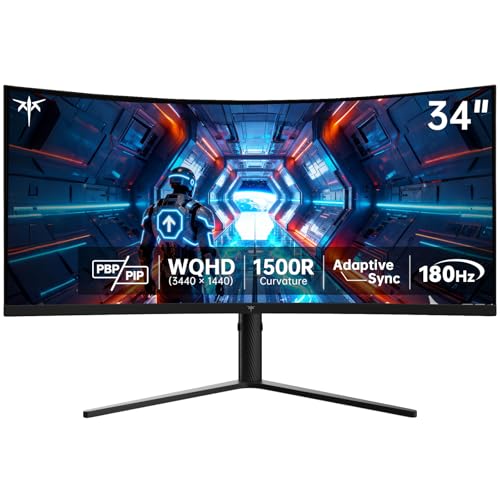
- 34-inch 21:9 ultrawide with 3440x1440 resolution
- Highly adjustable stand with PIP/PBP support
- DisplayPort and HDMI for flexible hookups
Best For: Producers who want a fast, adjustable ultrawide for multitasking
Wide Desk Productivity Pick
INNOCN 40" WQHD Ultrawide Monitor

- Huge 40-inch 21:9 workspace for DAWs and plugins
- USB-C 90W simplifies laptop-based setups
- PIP/PBP and split-screen add workflow options
Best For: Studio users who want maximum screen space and USB-C simplicity
Balanced Studio Workflow Pick
LG 34U640B-B 34" UltraWide Monitor

- 34-inch 3440x1440 ultrawide for DAWs and apps
- USB-C 65W plus KVM helps keep setups tidy
- 144Hz and HDR10 add a polished visual experience
Best For: Music creators who want a flexible, well-connected ultrawide
Workspace Maximizer
49-inch 32:9 Ultrawide for Seamless Multitasking

- 49-inch 5120x1440 screen for a huge studio workspace
- USB-C 65W, KVM, and PIP/PBP support cleaner setups
- 1500R curve and 120Hz help long sessions feel smooth
Best For: Large music studio desks and all-in-one multitasking
Balanced Studio Pick
34-inch IPS Ultrawide with USB-C PD 96W

- 34-inch 3440x1440 IPS panel suits compact studio desks
- USB-C PD up to 96W helps reduce cable clutter
- 100Hz refresh, HDR10, and split-screen tools add flexibility
Best For: Smaller music production setups and laptop-connected workstations
Wide Creative Control
45-inch 5K2K Ultrawide for Session Management

- 45-inch 5120x1440 display gives broad DAW workspace
- USB-C, HDMI, DP, and RJ45 support flexible studio setups
- PIP/PBP and 120Hz help manage multiple sources smoothly
Best For: Producers who want a very wide screen with broad connectivity
Studio Workspace Pick – Samsung 34" ViewFinity S50GC Ultrawide
If you want an ultrawide monitor for music studio work, this Samsung 34-inch ViewFinity gives you plenty of room for a DAW, mixer, plugin windows, and reference tracks without feeling cramped. Its 21:9 3440 x 1440 panel is built for multitasking, and the eye-care features help make longer edit sessions easier to manage.
Best For: Producers and editors who want a clean, practical ultrawide for arranging tracks and managing multiple windows.
Pros:
- 34-inch 21:9 Ultra-WQHD panel offers ample screen real estate for studio workflows.
- HDR10, 3000:1 contrast, and 1 billion-color support add strong visual depth.
- Eye Saver Mode, Flicker Free, and ambient light sensor support long sessions.
- PBP and PIP help when you need to monitor two sources at once.
Cons:
- 5ms response time is fine for studio use, but not a focus for gaming performance.
- No USB-C input listed, so laptop setups may rely on HDMI or DisplayPort.
This is a sensible ultrawide choice if your priority is workspace, clarity, and reduced eye strain rather than premium creator extras. It covers the basics that matter in a music studio without overcomplicating the setup.
Budget Wide Screen – Sceptre 34" Curved Ultrawide WQHD
For a music studio ultrawide monitor on a tighter budget, this Sceptre 34-inch curved display offers the width needed for timelines, plug-ins, and track management. The 3440 x 1440 resolution gives you a broad working area, while the curved panel and thin-bezel style can make a compact desk feel more immersive.
Best For: Budget-conscious users who want a wide, fast display for arranging and editing in a studio.
Pros:
- 34-inch 21:9 WQHD resolution provides plenty of room for studio windows.
- 165Hz refresh rate and 1ms response time keep motion smooth.
- 99% sRGB coverage is useful for visually consistent work.
- Built-in speakers and two DisplayPort inputs add flexibility.
Cons:
- Curved design may not be ideal for every mixing preference.
- Brightness is rated at 280 cd/m², lower than some competing options.
This Sceptre stands out when you want a lot of screen for the money and do not need premium studio-oriented extras. It is a practical large-format display for editing, browsing plugins, and keeping your workspace organized.
Hybrid Studio Screen – LG 34SR60QC-W Ultrawide Smart Monitor
If your music studio monitor also needs to double as an everyday screen, the LG 34SR60QC-W brings ultrawide workspace plus smart TV-style features. The 34-inch 3440 x 1440 curved panel gives you room for DAW tracks and mixer views, while webOS adds streaming and cloud-PC convenience when you step away from production.
Best For: Creators who want a music studio ultrawide monitor that can also handle streaming and general use.
Pros:
- 34-inch 21:9 curved QHD screen gives strong multitasking space.
- Built-in webOS app support adds extra convenience beyond standard monitor use.
- HDR10 and 99% sRGB help with color and image quality.
- Built-in speaker, AirPlay 2, and Bluetooth broaden everyday flexibility.
Cons:
- HDMI connectivity is listed, but no DisplayPort input is noted in the supplied details.
- 100Hz refresh is solid, though not aimed at high-end competitive use.
This LG makes sense if you want one screen to cover music production, media, and streaming-friendly convenience. It is less specialized than a pure creator display, but the feature mix is very versatile for a home studio desk.
Largest Workspace Option – INNOCN 40C1R 40-inch Ultrawide
For a music studio where screen space is a priority, the INNOCN 40C1R is the largest display here and gives you a huge ultrawide canvas for arranging sessions, mixing, and managing multiple tools. Its 3440 x 1440 resolution, 500-nit brightness, and PBP/PIP support make it a strong fit when you want a display that can keep several workflows visible at once.
Best For: Studio users who want the biggest ultrawide workspace in this group for dense multitasking.
Pros:
- 40-inch ultrawide panel offers more room than a typical 34-inch display.
- 144Hz refresh rate and 1ms response time provide very smooth motion.
- USB-C, DisplayPort, and dual HDMI inputs support flexible connections.
- PBP/PIP, HDR400, and 95% DCI-P3 add versatility for multitasking and visual quality.
Cons:
- The very large 40-inch size may be too wide for smaller desks.
- It is a more feature-heavy option than needed if you only want a basic DAW screen.
This INNOCN is the most expansive option in the roundup and fits users who value maximum workspace above all else. If your studio setup can accommodate the size, it is a compelling choice for keeping tracks, meters, and plug-ins open together.
Fast Curved UltraWide Pick – KTC 34" 180Hz 3440×1440 Gaming Monitor
If you want an ultrawide monitor for music studio use that also handles everyday multitasking well, this 34-inch KTC gives you a 21:9 3440×1440 workspace with a 1500R curve. The wide layout is useful for arranging a DAW, mixer, plugins, reference tracks, and browser windows without constant switching, while the high refresh rate keeps general motion very smooth.
Best For: Producers who want a fast 34-inch ultrawide with strong multitasking flexibility and ergonomic adjustment.
Pros:
- 34-inch 21:9 panel with 3440×1440 resolution for a roomy desktop
- Height, tilt, swivel, and pivot adjustment make positioning easier
- Picture-in-picture and picture-by-picture modes add workflow flexibility
- DisplayPort and HDMI support multiple device connections
Cons:
- Designed as a gaming monitor, so studio-specific features are limited
- 1500R curvature may feel more aggressive than flatter ultrawides for some workspaces
This is a practical pick if you want a wide, adjustable screen for music production and general PC use, especially when screen space matters more than color-critical editing features.
Wide Desk Productivity Pick – INNOCN 40" WQHD Ultrawide Monitor
For an ultrawide monitor for music studio work, this 40-inch INNOCN stands out for sheer screen space. The 3440×1440 21:9 panel gives you room for a large DAW timeline, plugin chains, and reference apps side by side, while the USB-C 90W connection can simplify a laptop-based studio setup.
Best For: Creators who want a very large ultrawide with one-cable USB-C convenience and strong multitasking room.
Pros:
- 40-inch 21:9 display gives you a very wide working area
- USB-C 90W supports video, data, and power delivery in one cable
- IPS panel with 95% DCI-P3 and 500 nits for vivid visuals
- PIP/PBP and split-screen modes help organize multiple sources
Cons:
- Flat design may not suit users who prefer a curved screen
- Large size needs more desk depth and breathing room
This monitor makes sense if your studio workflow depends on maximum horizontal space and you want an easy USB-C connection for a laptop or compact production rig.
Balanced Studio Workflow Pick – LG 34U640B-B 34" UltraWide Monitor
If you need an ultrawide monitor for music studio sessions that feels more balanced than overtly gaming-focused models, the LG 34U640B-B is a strong fit. Its 34-inch 3440×1440 21:9 display gives you enough space for a DAW, mixer, and tools panel, while USB-C with 65W power delivery helps keep a laptop setup tidy.
Best For: Music creators who want a clean, flexible ultrawide with good connectivity and multitasking tools.
Pros:
- 34-inch 21:9 WQHD panel offers a practical studio-friendly workspace
- USB-C, DisplayPort, HDMI, and two USB ports support a cleaner desk
- KVM support lets you control two PCs with one monitor, keyboard, and mouse
- 144Hz refresh, HDR10, and up to 99% sRGB add visual polish
Cons:
- Not the largest screen in this group if you want maximum timeline width
- VA panel and 300 nits brightness may not suit every color-critical workflow
This is the most rounded option here for studio work, especially if you value cable management, device switching, and a monitor that supports both creative sessions and general productivity.
Workspace Maximizer – 49-inch 32:9 Ultrawide for Seamless Multitasking
If you want an ultrawide monitor for music studio work, this 49-inch 32:9 display gives you a very wide canvas for DAW timelines, plug-in racks, and reference material without constantly swapping windows. The 5120×1440 resolution and curved panel make it easier to keep multiple tracks and tools visible in one continuous view.
Best For: Studio users who want a huge single-screen workspace for arranging sessions, mixing, and keeping tools open side by side.
Pros:
- 49-inch 32:9 DQHD panel offers a massive, seamless workspace
- 1500R curve helps the screen feel immersive and easier to follow across the desk
- USB-C with 65W power delivery keeps laptop setups cleaner
- KVM, PIP/PBP, HDMI, DisplayPort, and USB ports support multi-device workflows
Cons:
- VA panel, so it is less ideal than IPS if you prioritize widest viewing consistency
- No built-in speakers
- Large footprint may be more monitor than some smaller studio desks need
This is a strong choice when screen space matters more than anything else. For music production, the big win is reducing clutter and keeping your session layout visible, though you should make sure your desk and setup can comfortably handle a 49-inch display.
Balanced Studio Pick – 34-inch IPS Ultrawide with USB-C PD 96W
For a more compact ultrawide monitor for music studio use, this 34-inch 21:9 model offers a practical middle ground between workspace and desk space. Its 3440×1440 IPS panel, 100Hz refresh rate, and USB-C connectivity make it a clean fit for producers who want room for a timeline, mixer, and plug-ins without going oversized.
Best For: Producers who want a sharp, space-conscious ultrawide for arranging sessions, editing, and everyday studio work.
Pros:
- 34-inch 21:9 WQHD size fits well on many studio desks
- IPS panel with up to 99% sRGB and HDR10 supports consistent visuals
- USB-C with up to 96W charging simplifies laptop-based setups
- Built-in speakers and the Switch app add convenience for daily use
Cons:
- Smaller than 49-inch super-ultrawides, so you get less total workspace
- 1000:1 contrast is standard rather than especially high
- Built-in speakers may not replace dedicated studio audio
This model makes sense if you want ultrawide convenience without dominating the desk. It is especially appealing for music production setups where clarity, a tidy connection, and a manageable size matter more than maximum screen real estate.
Wide Creative Control – 45-inch 5K2K Ultrawide for Session Management
If you are shopping for an ultrawide monitor for music studio work and want maximum width without going all the way to 49 inches, this 45-inch 32:9 display is a compelling option. Its 5120×1440 resolution, 1500R curve, and PIP/PBP support make it well suited to managing DAW projects, notes, and external sources on one screen.
Best For: Music creators who want a large ultrawide canvas for editing, mixing, and keeping multiple sources visible at once.
Pros:
- 45-inch 32:9 dual-QHD screen provides lots of horizontal workspace
- USB-C with power delivery, plus HDMI, DisplayPort, USB-A, USB-B, and RJ45, offers broad connectivity
- PIP/PBP lets you view two inputs at once for flexible workflows
- HDR400, 99% sRGB, and 120Hz support a smooth, detailed image
Cons:
- VA panel may not match IPS for viewing-angle consistency
- Built-in speakers are included, but dedicated studio audio is still the better choice
- Larger footprint may require a roomy desk setup
This INNOCN model sits in a useful middle zone: very wide, but slightly easier to fit than the largest 49-inch options. For studio buyers who want a big editing surface and lots of connection options, it is a practical and flexible pick.
How We Picked the Best Ultrawide Monitor for Music Studio
For an Ultrawide Monitor for Music Studio use, we prioritized display size and aspect ratio, panel sharpness, and practical connectivity. We also looked at refresh rate and response time for smooth navigation, but those were secondary to workspace efficiency, readability, and split-screen flexibility.
We gave extra weight to models with 3440 x 1440 or higher resolution, USB-C where available, strong color coverage, and picture-by-picture or picture-in-picture support for routing multiple sources.
Quick Comparison
Most buyers will choose between 34-inch 21:9 screens for a balanced studio desk, 40-inch ultrawides for more horizontal space, and 49-inch dual-QHD displays for maximum multitasking. Smaller ultrawides are usually easier to fit above audio gear, while larger panels are better if you manage large DAW sessions, orchestral templates, or multiple reference windows.
Key Buying Factors for Ultrawide Monitor for Music Studio
Resolution and Text Clarity
For DAW work, 3440 x 1440 is the sweet spot because it keeps waveforms, track names, and plugin text readable without demanding extreme GPU power. If you want even more room, 5120 x 1440 models can be excellent, but they take up much more desk width.
Size and Desk Fit
A 34-inch ultrawide works well on most studio desks. A 40-inch screen is a strong middle ground for users who want more space without going full 49-inch. Larger 45-inch and 49-inch options are best for deep workstations with wider viewing distance.
Connectivity and Workflow
USB-C with power delivery is valuable if you switch between laptops and desktop systems. HDMI and DisplayPort are still important for stable signal delivery, and PIP/PBP can help if you use a second computer, hardware interface display, or reference machine.
Panel Type and Color
IPS panels are typically the safest choice for accurate editing and consistent viewing angles. VA panels can offer stronger contrast, which some users prefer in darker rooms, but they may vary more in viewing behavior.
Who Should Buy Which Ultrawide Monitor for Music Studio?
If you want a compact, capable studio upgrade, pick a 34-inch 3440 x 1440 model. If you need more horizontal room for complex arrangements or multiple windows, go with a 40-inch ultrawide. If your workflow involves heavy multitasking, dual-screen replacement, or long plugin chains, a 49-inch dual-QHD display may be the best fit. For the most practical Ultrawide Monitor for Music Studio setups, choose the size that matches your desk depth, viewing distance, and how much of your DAW you want visible at once.