Capturing natural sound well takes more than a good recorder. You need a stereo microphone for nature field recording that can handle wind, distance, and shifting soundscapes without turning every take into guesswork.
This roundup focuses on practical options for field use, from compact stereo recorders to dedicated mic pairs and shotgun-style stereo solutions, so you can choose the right tool for your location, budget, and workflow.
Best 10 Stereo Microphone for Nature Field Recording Picks for 2026
Compact Stereo Field Mic
Audio-Technica AT8022 X/Y Stereo Microphone

- Accurate X/Y stereo image in a smaller housing
- Compact and lightweight for camera-mount or field use
- Battery or phantom power support adds flexibility
Best For: Portable nature ambience and handheld field recording
Matched Pair Outdoor Kit
Rode M5 Matched Pair with WS8 Windshields
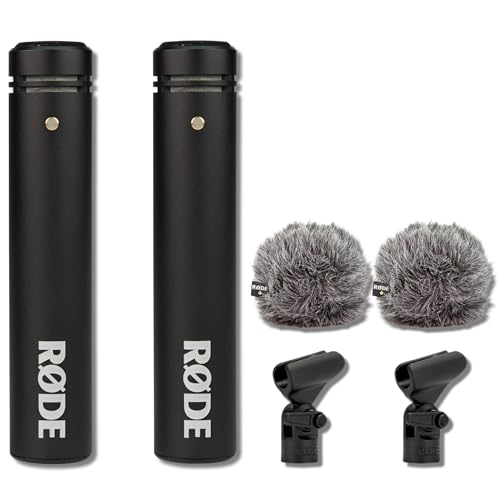
- Factory-matched within 1 dB for stereo balance
- Includes two WS8 deluxe windshields for outdoor recording
- 19 dB-A self-noise suits quiet location work
Best For: Matched stereo field setups with wind protection
Camera-Mounted Stereo Mic
Canon DM-100 Directional Stereo Microphone

- Canon accessory-shoe connection for compatible cameras
- Compact 77 g metal design for portable mounting
- Directional pickup for focused on-camera recording
Best For: Canon camera users needing a simple mounted mic
Recorder With Built-In Stereo Mics

- Built-in 19.4 mm X/Y stereo mics for detailed capture
- 32-bit float recording helps avoid clipped takes
- Battery-powered handheld design is ready for location work
Best For: All-in-one field recording with built-in stereo capture
Compact XY Stereo for Field Work
Rode NT4 X Y Stereo Condenser Microphone

- Matched pair of 1/2-inch cardioid capsules
- Battery or P48 phantom power support
- Includes stereo XLR cable and windshield
Best For: Field recordists who want a single-body XY stereo mic with power flexibility
Broadcast-Ready Field Stereo
Audio-Technica BP4025 X/Y Stereo Field Recording Microphone
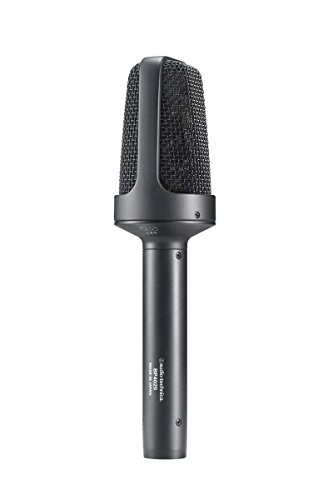
- Large-diaphragm coincident X/Y stereo capsules
- Compact body for camera-mount use
- Phantom power with low-cut and 10 dB pad
Best For: Professionals recording ambience, wildlife, or location sound with camera gear
Lightweight Stereo Camcorder Option
Sony ECM-MS2 Stereo Condenser Microphone

- Weighs only 160 grams
- 2-channel stereo with XLR connectivity
- 69 dB signal-to-noise ratio
Best For: Shooter using camcorders who want a light stereo mic for focused outdoor recording
Compact Clip-On Stereo Mic
OM SYSTEM ME-51 S Stereo Microphone

- 3.5 mm plug-in stereo mic
- Includes 1 m extension cable and clip
- Very lightweight at 7 g
Best For: Compatible recorder users needing a simple stereo field mic
Portable X/Y Stereo Recorder
Zoom H1 Essential Stereo Recorder

- Built-in X/Y stereo mics
- 32-bit float recording support
- Captures ambience and nature audio
Best For: Creators who want a compact recorder for field ambience
Adjustable Mid-Side Shotgun Capsule
Zoom SSH-6e Stereo Shotgun Capsule

- Mid-side design for direct sound plus ambience
- Adjustable stereo width from narrow to super wide
- Includes hairy windscreen for outdoor use
Best For: Zoom capsule-system users needing adjustable stereo field capture
Compact Stereo Field Mic – Audio-Technica AT8022 X/Y Stereo Microphone
If you want a stereo microphone for nature field recording that stays compact and easy to rig, the Audio-Technica AT8022 is built for exactly that kind of work. Its X/Y stereo capsule aims for an accurate stereo image in a smaller housing, and the lightweight body makes it practical on a camera mount or with handheld recorders.
Best For: Field recordists who want a portable X/Y stereo mic for nature ambience, camera-mounted work, and handheld recording.
Pros:
- Innovative X/Y capsule configuration for an accurate stereo image
- Compact, lightweight design suits camera-mount and field use
- Works with battery power or phantom power for flexible setups
- Switchable low-frequency roll-off can help manage rumble
Cons:
- Single microphone format, so it is not a matched-pair stereo kit
- Uses XLR connectivity, which may require the right recorder or adapter
- Frequency response is listed to 18 kHz in the supplied details
For straightforward outdoor stereo capture, this is a practical, low-fuss option that emphasizes portability and a true stereo pickup pattern. It is a good fit when you want one mic to cover nature ambience without adding much bulk to your kit.
Matched Pair Outdoor Kit – Rode M5 Matched Pair with WS8 Windshields
For a stereo microphone for nature field recording, this Rode M5 matched-pair bundle is aimed at users who want two closely matched condensers and wind protection in one package. The pair is factory-matched within 1 dB, and the included WS8 windshields make the kit more ready for outdoor recording than a studio-only mic set.
Best For: Recordists who need a matched stereo pair with windshields for outdoor ambiences, choirs, acoustic sources, and location work.
Pros:
- Matched pair tracks sensitivity within 1 dB for balanced stereo capture
- Includes two WS8 deluxe windshields for outdoor use
- 19 dB-A self-noise is suitable for quiet recording situations
- XLR connectivity and included mic clips support a practical stereo setup
Cons:
- Requires two-mic stereo mounting and a suitable recorder or mixer
- Unidirectional cardioid design may not be the simplest one-mic field solution
- Bundle is more setup-heavy than a built-in stereo recorder
This bundle makes sense when stereo image control matters and you want outdoor protection included from the start. It is a solid choice for anyone building a more deliberate field recording rig rather than carrying a single handheld mic.
Camera-Mounted Stereo Mic – Canon DM-100 Directional Stereo Microphone
The Canon DM-100 is a camera-mounted stereo microphone for users who want a simple directional add-on rather than a separate field recording rig. Its Canon advanced accessory shoe connection and compact metal build make it a straightforward option for capturing audio directly with a compatible camera.
Best For: Canon camera users who want a portable directional mic for on-camera stereo capture.
Pros:
- Canon advanced accessory shoe connection supports compatible cameras
- Portable, lightweight 77 g design is easy to mount
- Directional, unidirectional pattern is suited to focused capture
- Metal enclosure gives it a sturdy feel
Cons:
- Designed for Canon camera compatibility rather than universal use
- Single-channel listing limits it as a dedicated stereo field rig
- Powered by corded electric, so it is less flexible than battery-powered options
If your priority is simple camera-mounted recording, this is a convenient solution with minimal extra gear. It is less about building a dedicated ambience rig and more about improving audio capture directly on a Canon camera.
Recorder With Built-In Stereo Mics – Zoom H5 Studio Handy Recorder
If you want a stereo microphone for nature field recording plus a full recorder in one unit, the Zoom H5 Studio brings built-in large X/Y stereo mics and portable capture into a single handheld device. Its 32-bit float recording and battery operation make it especially useful when you need to record on location without worrying about clipping or a separate preamp chain.
Best For: Nature recordists and filmmakers who want a portable handheld recorder with built-in stereo mics and clip-free capture.
Pros:
- 19.4 mm X/Y built-in stereo mics for a wide, detailed stereo image
- 32-bit float recording helps prevent clipped takes
- Portable battery-powered design is built for field use
- Two XLR/TRS inputs add expansion options beyond the built-in mics
Cons:
- Heavier and more recorder-focused than a standalone stereo microphone
- Built-in mic approach may be less flexible than interchangeable external mics
- Requires 4 AA batteries, so power planning matters in the field
This is a strong all-in-one choice when you want stereo capture and recording capability without assembling a separate mic and recorder setup. It fits field work best when convenience, protection from clipping, and portability matter more than modularity.
Compact XY Stereo for Field Work – Rode NT4 X Y Stereo Condenser Microphone
If you want a stereo microphone for nature field recording that keeps the setup simple, the Rode NT4 delivers a true matched-pair XY arrangement in one body. It’s a practical choice when you want coherent stereo capture from birds, ambience, or moving outdoor sound sources without assembling a separate pair of mics.
Best For: Field recordists who want a single-body XY stereo mic with battery or phantom power flexibility.
Pros:
- Matched pair of 1/2-inch cardioid capsules in a fixed XY array
- Can run on a 9V battery or P48 phantom power
- Includes stereo XLR cable, 3.5mm mini-jack, and windshield
- Backed by a 10-year warranty
Cons:
- Wired XLR design means no wireless recording option
- Single-body stereo layout may be less flexible than separate mics
- Designed around camera and recording setups rather than ultra-minimal carry
Overall, the NT4 is a straightforward way to capture XY stereo in the field with dependable power options and a useful accessory bundle. It fits recordists who value consistency and simplicity over modular mic placement.
Broadcast-Ready Field Stereo – Audio-Technica BP4025 X/Y Stereo Field Recording Microphone
The Audio-Technica BP4025 is built for users who need a stereo microphone for nature field recording with broadcast-style capture and a compact camera-mount friendly design. Its large-diaphragm coincident capsules are meant to produce an accurate X/Y stereo image with low noise and strong channel separation.
Best For: Professionals recording ambience, wildlife, or location sound with camera and phantom-powered gear.
Pros:
- Large-diaphragm capsules in an innovative coincident X/Y configuration
- Compact, lightweight body suited to camera-mount use
- Phantom powered with switchable low-frequency roll-off and 10 dB pad
- Includes a 5-pin to dual 3-pin XLR cable, stand clamp, and pouch
Cons:
- Requires phantom power, so it’s not a self-powered option
- Frequency response tops out at 17kHz per the supplied specs
- More of a professional setup mic than a casual grab-and-go model
For field recordists who want a refined stereo image and practical control features, the BP4025 is the most pro-oriented option here. It is especially appealing if you’re working with cameras and want a compact mic that still behaves like a serious field tool.
Lightweight Stereo Camcorder Option – Sony ECM-MS2 Stereo Condenser Microphone
The Sony ECM-MS2 is a lightweight stereo microphone for nature field recording when portability matters and you want a simple XLR-connected option. With a 2-channel design and a focused unidirectional pattern, it’s geared toward clear capture from a single direction rather than a wide experimental setup.
Best For: Shooters using camcorders who want a light, compact stereo mic for focused outdoor recording.
Pros:
- Lightweight at 160 grams for easier carry and handling
- 2-channel stereo design with XLR connectivity
- 69 dB signal-to-noise ratio for clear audio capture
- Compact body built with a lightweight metal alloy enclosure
Cons:
- Listed frequency range is narrower than the other options here
- Unidirectional pattern is less specialized for classic XY ambience capture
- More camcorder-focused than a dedicated field-recording kit
The ECM-MS2 is a sensible pick when you want a compact stereo microphone and don’t want extra bulk on a camcorder rig. It trades some field-recording specialization for easy handling and a straightforward wired setup.
Compact Clip-On Stereo Mic – OM SYSTEM ME-51 S Stereo Microphone
If you need a simple stereo microphone for nature field recording with a digital voice recorder, the OM SYSTEM ME-51 S is a straightforward plug-in option. It uses a 3.5 mm jack and a unidirectional left/right stereo design, making it a practical add-on for compatible WS-Series and DM-Series recorders when you want basic stereo capture in the field.
Best For: Recorder users who want a lightweight stereo mic for compatible Olympus/OM SYSTEM voice recorders.
Pros:
- Plugs into a 3.5 mm microphone socket for stereo recording
- Lightweight at 7 g, so it stays unobtrusive in the field
- Includes a 1 m extension cable with tiepin clip
- 100–15,000 Hz frequency response for general ambient capture
Cons:
- Designed for specific recorder families, so compatibility is limited
- Wired auxiliary connection only
- Single-channel spec in the supplied details may not suit every setup
For field note-taking and simple ambient work, this mic is best viewed as a practical accessory rather than a feature-heavy recorder. If your priority is a compact stereo pickup for a compatible recorder, it covers the basics cleanly.
Portable X/Y Stereo Recorder – Zoom H1 Essential Stereo Recorder
The Zoom H1 Essential is a strong all-in-one stereo microphone for nature field recording if you want to capture ambience without carrying extra gear. Its built-in X/Y stereo mics, 32-bit float recording, and 10-hour battery make it easy to grab clean environmental audio, from room tone and travel sounds to outdoor ambience.
Best For: Field recordists and creators who want a compact recorder with built-in stereo mics.
Pros:
- Built-in X/Y stereo microphones for immediate recording
- 32-bit float recording helps reduce clipping concerns
- Captures ambience, nature, room tone, and sound effects
- USB-C microphone mode adds flexibility for computer or mobile use
Cons:
- Uses AAA batteries rather than a built-in rechargeable pack
- Best for simple stereo capture, not advanced multi-mic setups
- Compact size may limit hands-on controls compared with larger recorders
For anyone prioritizing portability and quick setup, this is one of the most practical choices in the group. It is especially appealing if you want a recorder that can handle nature ambience and everyday field audio with minimal fuss.
Adjustable Mid-Side Shotgun Capsule – Zoom SSH-6e Stereo Shotgun Capsule
If you already use a compatible Zoom recorder and want a more directional stereo microphone for nature field recording, the SSH-6e adds flexible mid-side pickup to the setup. It is designed to capture direct sound and ambience, and the adjustable side mic volume lets you shape the stereo width from narrow to super wide.
Best For: Zoom essential-series users who want adjustable mid-side stereo capture outdoors.
Pros:
- Mid-side shotgun design captures both direct sound and ambience
- Adjustable side mic volume for narrow to super wide pickup patterns
- Includes a hairy windscreen for outdoor recording
- 32-bit float recording ready with compatible Zoom Capsule System 3.0 recorders
Cons:
- Requires a compatible Zoom recorder, so it is not a standalone solution
- More specialized than a simple built-in stereo mic
- Best suited to users comfortable working with capsule-based systems
This capsule is the most configurable option here for shaping stereo field capture, especially when ambient detail matters as much as directionality. For existing Zoom users, it offers a practical step up in control for outdoor and dialogue recording.
How We Picked the Best Stereo Microphone for Nature Field Recording
We focused on products that make sense outdoors: low self-noise, usable stereo imaging, field-friendly form factors, and realistic wind protection or accessory support. We also looked for options that fit different recording styles, from handheld ambience capture to more deliberate wildlife and habitat work.
Quick Comparison
For simple run-and-gun recording, an all-in-one recorder with built-in stereo mics is the fastest path. For more control over placement and tonal character, a dedicated stereo mic or matched pair is usually better. If you need reach and directionality, a stereo shotgun or mid-side capsule can offer a narrower pickup while still preserving spatial detail.
Key Buying Factors for Stereo Microphone for Nature Field Recording
Stereo Pattern and Imaging
X/Y designs are compact and phase-coherent, which helps keep natural sounds stable. Mid-side and shotgun-based stereo options can provide more control over width and focus. Choose the pattern that best matches whether you want immersive ambience or more isolated subjects.
Noise, Wind, and Durability
Low self-noise matters when recording quiet forests, dawn choruses, or distant water. Just as important is the ability to add a proper windscreen or blimp. Outdoor reliability often depends on rugged construction, power options, and compatibility with mounts or handheld rigs.
Recorder Integration
Some buyers need a Stereo Microphone for Nature Field Recording that plugs directly into a camera or portable recorder. Others may prefer an integrated recorder with 32-bit float for easier gain management. Think about whether you want a self-contained setup or a modular one that can grow over time.
Portability and Workflow
For hiking, travel, or surprise wildlife moments, lighter is usually better. For planned sessions, a larger mic or recorder can be worth the extra bulk if it improves control and sound quality.
Who Should Buy Which Stereo Microphone for Nature Field Recording?
Choose an all-in-one recorder if you want the simplest setup and fast deployment. Pick a dedicated stereo mic if you already own recording gear and want better placement flexibility. Go with a matched pair if you are building a more advanced field kit and value precise stereo imaging. If your priority is distant or directional subjects, a stereo shotgun or mid-side solution is often the smartest choice.
In short, the best choice depends on whether you value convenience, sound quality, portability, or maximum control in the field. Match the tool to the environment, and you will get cleaner, more usable recordings with less frustration.