Choosing the right reverb processor for guitar recording can make dry tracks feel wider, deeper, and more polished without burying the performance.
From compact pedals to multi-effects units, the best options balance sound quality, control, and recording-friendly features like presets, USB, and impulse response support.
Best 10 Reverb Processor for Guitar Recording Picks for 2026
Compact Studio Reverb

- Eight reverb modes for quick studio-ready tones
- Shimmer, Dynamic, and Delay+Reverb textures
- Mono or stereo operation with expression input
Best For: players who want a compact, versatile reverb pedal for fast recording
All-In-One Tone Hub
Valeton GP-50 Multi-Effects Processor
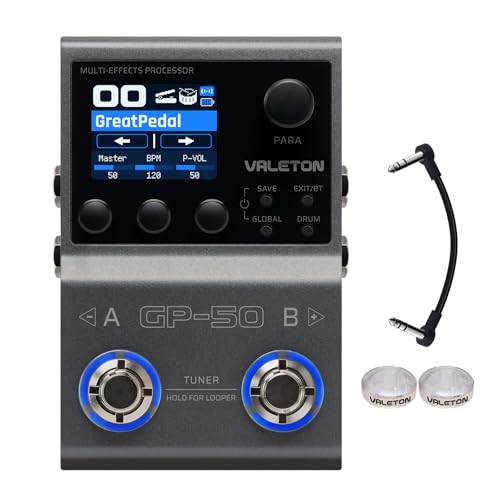
- 100+ HD effects with reverb, delay, and modulation
- NAM and IR loader for expanded recording tones
- USB audio and Bluetooth app control
Best For: recording guitarists who want a feature-rich multi-effects processor
Dual-Engine Ambient Reverb

- Room, hall, plate, and granular algorithms
- Dual reverb engines with delay and ducking
- Stereo I/O plus USB or TRS MIDI
Best For: guitarists who want deep reverb control for stereo recording
Portable Recording Rig
MOOER GE150 Pro Multi Effects Processor

- 200 presets and 170 effects with reverb support
- USB OTG recording for direct phone capture
- Four footswitches plus expression pedal control
Best For: players who want an all-in-one processor for recording and practice
Mini Modulated Reverb
Rainger FX Reverb-X Digital Reverb
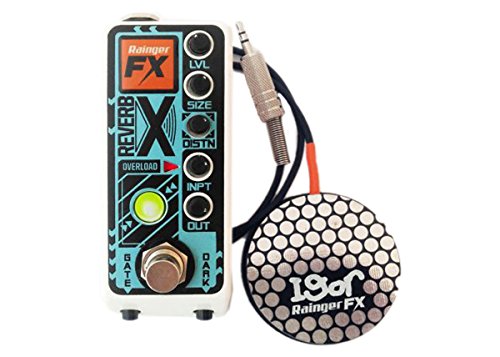
- Digital FV-1 reverb mini-pedal
- Igor expression pad included
- Size and Level knobs keep setup simple
Best For: Players who want compact, expressive reverb for recording
Multi-Effects Starter Rig
Zoom G1X Four Guitar Multi-Effects Processor

- 71 effects and 13 amp models
- Includes expression pedal and 30-second looper
- Works with Zoom Guitar Lab for patch editing
Best For: Players needing an affordable all-in-one effects and recording unit
Portable Modeling Amp
JOYO DC-15S Digital Guitar Amp

- Built-in delay and reverb effects
- 9 preamp models plus looper and drum patterns
- Rechargeable battery lasts 8-12 hours
Best For: Portable practice and small-session players who want built-in ambience
Studio-Ready Rack Reverb

- 99 preset programs for flexible reverb use
- 24-bit processing with 4-core DSP chip
- Compact rack-style design for studio/stage
Best For: Players who need a versatile rack-style reverb processor for recording
Compact Guitar Reverb
Mini Universe Pro Multi-Voice Pedal
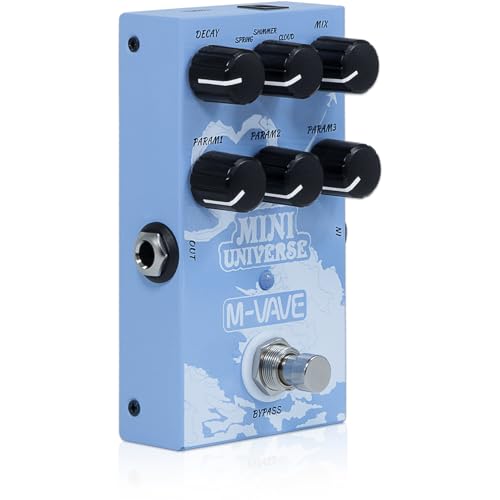
- 9 modeled reverb tones from room to lo-fi
- True bypass in a compact metal housing
- USB-C or DC 9V power options
Best For: Guitarists who want a compact, affordable reverb pedal for recording
All-in-One Recording FX
AME-200 Pro Multi Effects Unit

- Reverb plus amp modeling, delay, looper, and drums
- USB OTG recording with stereo output support
- Four footswitches and built-in expression pedal
Best For: Players who want a full multi-effects unit for recording and practice
Compact Studio Reverb – BOSS RV-6 Reverb Guitar Pedal
If you want a straightforward reverb processor for guitar recording, the BOSS RV-6 is built for fast tone-shaping with studio-grade algorithms and simple knob control. Its eight modes cover practical essentials like shimmer, dynamic, delay+reverb, and more, making it easy to add space without slowing down your session.
Best For: Players who want a compact, versatile reverb pedal with quick access to polished studio-style sounds.
Pros:
- Eight reverb modes provide a wide range of ready-to-play tones.
- Shimmer, Dynamic, and Delay+Reverb modes add lush recording textures.
- Supports mono or stereo operation for flexible setup options.
- Expression pedal input can control reverb level for more hands-on shaping.
Cons:
- Focused on reverb rather than a full multi-effects workflow.
- Uses simple controls, so deep editing options are limited.
For recording guitar parts that need clean, expansive ambience, the RV-6 keeps the process simple and dependable. It is a strong choice when you want polished reverb sounds quickly rather than a complex editing platform.
All-In-One Tone Hub – Valeton GP-50 Multi-Effects Processor
If you’re shopping for a reverb processor for guitar recording that can do much more than reverb, the Valeton GP-50 is a flexible all-in-one option. It combines over 100 HD effects with NAM and IR loading, plus USB audio and app editing, so you can build, tweak, and record tones from one compact unit.
Best For: Guitarists who want a compact multi-effects processor for recording, editing, and experimenting with layered tones.
Pros:
- Over 100 HD effects include delay, reverb, modulation, and distortion.
- NAM and IR loading expand tone options for recording setups.
- USB audio supports re-amp and works across Win/Mac/iOS/Android.
- Bluetooth app control makes editing easier from a phone or tablet.
Cons:
- Reverb is only one part of a much larger multi-effects system.
- Complex feature set may be more than needed if you only want simple ambience.
The GP-50 makes sense when your recording workflow needs more than a dedicated reverb box. Its connectivity, patch storage, and model-loading features give it a lot of value for players who want one processor to cover both sound design and capture.
Dual-Engine Ambient Reverb – Context 2 Reverb
For players looking for a reverb processor for guitar recording with more detailed ambient control, the Context 2 Reverb offers a wide palette of algorithms and dual reverb engines. Room, hall, plate, gated, reverse, spring, and granular modes give you plenty of ways to shape space, while stereo I/O and MIDI support make it a strong studio-friendly option.
Best For: Guitarists who want deep reverb editing and stereo recording flexibility.
Pros:
- Eight reverb algorithms cover classic and experimental spaces.
- Dual reverb engines allow more layered ambience options.
- Delay, modulation, and ducking add extra control in recording chains.
- Stereo input/output and USB or TRS MIDI support suit studio setups.
Cons:
- More complex than a basic plug-and-play reverb pedal.
- May be excessive if you only need a simple room or plate sound.
This is a strong pick when your recordings need more than standard pedal reverb. The combination of dual engines, stereo routing, and broad algorithm selection makes it well suited to detailed ambient work.
Portable Recording Rig – MOOER GE150 Pro Multi Effects Processor
If you want a reverb processor for guitar recording that also handles amp modeling, looping, and direct capture, the MOOER GE150 Pro is built for that broader job. It offers 200 presets, 170 effects, NAM and MNRS support, and USB OTG recording, so you can move from sound design to recording without changing gear.
Best For: Players who want an all-in-one floor processor for recording, practice, and preset-based performance.
Pros:
- 200 factory presets and 170 effects cover a wide range of tones.
- Reverb, delay, looper, and drum functions support creative recording sessions.
- USB OTG recording lets you capture guitar directly to a phone.
- Four footswitches and an expression pedal add performance control.
Cons:
- Reverb is part of a full multi-effects system, not a dedicated single-purpose unit.
- Larger feature count may take more setup time than a simple pedal.
The GE150 Pro is best when you want one processor that can cover tones, backing rhythms, looping, and recording in a portable format. For guitarists who record often and also need practice tools, it brings a lot into one box.
Mini Modulated Reverb – Rainger FX Reverb-X Digital Reverb
If you want a reverb processor for guitar recording that stays simple but still offers unusual textures, the Rainger FX Reverb-X is built around a digital FV-1 chip and keeps the dry guitar signal present at all times. The two main controls make it easy to shape the effect quickly, while the included Igor expression pad adds real-time control for more hands-on movement during tracking.
Best For: Guitarists who want a compact, easy-to-use reverb pedal with expression control for creative recording parts.
Pros:
- Digital mini-pedal with a selection of unique, useful reverb sounds
- Igor expression pad included for real-time control
- Simple control layout with Size and Level knobs
- Original guitar signal remains present while the effect is blended in
Cons:
- Single-purpose design focused on reverb rather than multiple effects
- Requires external control use to get the most from expressive changes
For recording, this is a strong choice if you value quick dial-in workflow and want reverb that can move beyond standard ambient wash. Its compact format and expression pad make it especially appealing when you want tactile control without adding a full multi-effects unit.
Multi-Effects Starter Rig – Zoom G1X Four Guitar Multi-Effects Processor
As a reverb processor for guitar recording, the Zoom G1X Four gives you far more than just ambience, with 71 effects and 13 amp models available for building complete tones. It also includes a 30-second looper, 68 rhythm patterns, and software editing through Zoom Guitar Lab, so it works well when you want to sketch parts, test sounds, and refine patches on a budget-friendly multi-effects platform.
Best For: Guitarists who want an all-in-one multi-effects processor for practice, songwriting, and simple recording setups.
Pros:
- 71 built-in effects plus 13 amp models for broad tone shaping
- Expression pedal included for hands-on control
- 30-second looper and 68 rhythm patterns support writing and practice
- Zoom Guitar Lab lets you edit patches on Mac/Windows
Cons:
- More of a general multi-effects unit than a dedicated reverb box
- Analog signal format may not appeal to players seeking a fully digital workflow
If you need one unit to cover reverb, effects, amp modeling, and looping, this is the most versatile option in the group. It is especially useful for players who want to build recording tones without buying separate pedals for every job.
Portable Modeling Amp – JOYO DC-15S Digital Guitar Amp
If you want a reverb processor for guitar recording in a practice-friendly amp format, the JOYO DC-15S combines delay and reverb with 9 preamp models, modulation effects, a looper, and drum patterns. Its rechargeable battery and portable 15-watt output make it easy to move between rooms or use for small sessions, while the Bluetooth and multiple input/output options add flexibility for casual recording or rehearsing.
Best For: Guitarists who want a portable amp with built-in reverb, looping, and backing features for practice and small-gig use.
Pros:
- Built-in delay and reverb alongside 4 modulation effects
- 9 preamp models cover a wide range of clean and driven tones
- Rechargeable battery supports portable use for 8-12 hours
- Includes looper, drum patterns, and footswitch control
Cons:
- Not a dedicated reverb pedal or desktop processor
- 15-watt output is better suited to practice and small venues than larger setups
This amp makes sense if you want reverb as part of a larger practice and recording rig rather than as a standalone effect. It is especially practical for players who need an easy grab-and-go solution with enough built-in features to keep sessions moving.
Studio-Ready Rack Reverb – 99-Preset DSP Processor
If you want a reverb processor for guitar recording that leans more toward studio utility than pedalboard simplicity, this DSP rack unit is built for that job. With 99 preset programs, 24-bit preset/programmable processing, and a 4-core DSP chip, it’s aimed at users who need flexible reverberation and cleaner signal handling in a compact format.
Best For: Studio players and engineers who want a versatile rack-style reverb processor with preset depth.
Pros:
- 99 preset programs for different audio and reverb applications
- 24-bit signal processing with a 4-core DSP chip
- Balanced input/output processing designed for studio recording and stage use
- Slim, portable chassis with a simple user interface
Cons:
- More of a processor than a grab-and-go guitar pedal
- Uses corded power rather than battery operation
- Feature set is broad, so guitar-specific tweaking may take some setup
For guitar recording setups that need practical reverb plus broader audio processing, this unit stands out for its preset count and balanced digital workflow. It’s a sensible pick if you want one box that can handle studio-style control and cleaner output without taking much space.
Compact Guitar Reverb – Mini Universe Pro Multi-Voice Pedal
This reverb processor for guitar recording keeps things simple with a compact pedal format and nine modeled reverb tones. It covers Room, Hall, Plate, Spring, Shimmer, Cloud, Bloom, Swell, and Lo-Fi, giving you enough variety to shape clean ambient tracks or add space to dry guitar parts.
Best For: Guitarists who want an affordable, compact reverb pedal with a wide range of classic and ambient tones.
Pros:
- 9 reverb effects, including Room, Hall, Plate, Spring, and Shimmer
- True bypass and a compact metal housing
- USB-C or DC 9V power options for different setups
- Simple control layout makes it easy to get started quickly
Cons:
- Focused on reverb only, without broader multi-effects features
- Requires a 9V adapter or USB-C power source, depending on setup
- Very compact size may limit hands-on control for some users
For recording guitar parts that need tasteful ambience rather than a full processor, this pedal offers a straightforward and cost-effective solution. Its blend of classic and more atmospheric reverb voices makes it a strong choice for players who want quick results without extra complexity.
All-in-One Recording FX – AME-200 Pro Multi Effects Unit
If you need a reverb processor for guitar recording that also covers amp modeling, delay, and direct recording tools, the AME-200 Pro is built as an all-in-one unit. It combines reverb with multi-effects routing, four footswitches, an expression pedal, and USB OTG recording support, making it useful for players who want a full practice-to-recording workflow.
Best For: Players who want one multi-effects processor for recording, preset control, and practice features.
Pros:
- Includes reverb, delay, amp modeling, looper, and drum machine functions
- Four footswitches and built-in expression pedal for hands-on control
- USB OTG recording and playback support for smart devices
- Supports third-party IR loading and stereo output options
Cons:
- Larger and heavier than a simple reverb pedal
- More complex than a basic one-effect recording solution
- Designed as a full multi-effects unit, so reverb is only one part of the package
This is the most feature-packed option here if you want reverb plus a broader recording and performance toolkit. It makes sense for guitarists who value direct USB recording, flexible switching, and expandable tone shaping in one device.
How We Picked the Best Reverb Processor for Guitar Recording
We focused on units that make a real difference in a recording chain: usable reverb types, low-noise operation, straightforward controls, and enough flexibility to cover clean ambience, lead space, and experimental textures. For a Reverb Processor for Guitar Recording, the most important factor is not just how lush the effect sounds, but how easily you can dial it in and commit it to a track.
Quick Comparison
In general, dedicated pedals are best when you want fast, hands-on control and a focused reverb sound. Multi-effects processors are better if you need reverb plus amp models, delay, cab simulation, or direct recording features in one box. Budget DSP units can be useful for practice or rough demos, but they usually offer less refinement and fewer studio-grade controls.
Key Buying Factors for a Reverb Processor for Guitar Recording
Reverb Types and Control
Look for the spaces you actually use: room, hall, plate, spring, shimmer, and ambient textures. More importantly, check for decay, tone, pre-delay, and mix control, since these determine whether the effect sits behind the guitar or takes over the track.
Recording Connectivity
If you record direct, features like USB audio, line outputs, amp/cab simulation, IR loading, and presets can save time and improve consistency. These matter more in home studios than live-only features such as stage switching or battery power.
Noise, Headroom, and Workflow
A quiet signal path is essential when stacking compression, gain, or multiple effects. Also consider how fast you can save and recall sounds. A good reverb processor should help you work quickly, not slow you down while you search for the same ambient setting on every take.
Creative Range Versus Simplicity
Some players want one great plate or hall sound and nothing else. Others need a full processing hub with modulation, delay, looper, and amp modeling. Match the tool to your session style so you do not overbuy features you will never use.
Who Should Buy Which Reverb Processor for Guitar Recording?
Choose a dedicated reverb pedal if you want the cleanest path to reliable ambience and simple hands-on control. Pick a multi-effects processor if your guitar recording setup needs reverb plus direct-to-interface convenience, cabinet simulation, or a wide library of tones. Budget processors are best for practice rigs, scratch tracks, and players exploring different ambient textures without a big investment. If your priority is polished recorded guitar, choose the option that gives you the most usable reverb tones with the least effort to capture them well.