If you need to expand your studio without replacing your current interface, a microphone preamp with ADAT output is one of the smartest upgrades you can make. It adds clean gain, extra inputs, and a simple digital path into your existing setup.
Below, we focus on the best options for different recording needs, from compact home studios to growing multi-channel rigs.
Best 10 Microphone Preamp with Adat Output Picks for 2026
Premium 8-Channel ADAT Expansion
Focusrite Clarett+ OctoPre 8-In/8-Out

- Eight Clarett preamps with relay-controlled analogue circuitry.
- ADAT output expands compatible interfaces with up to 8 channels.
- 118dB dynamic range and 129dBu EIN for clean tracking.
Best For: Studios adding high-quality ADAT mic preamps to an existing interface
Tube Channel Strip with Digital Outs
ART VoiceChannel Tube Channel Strip
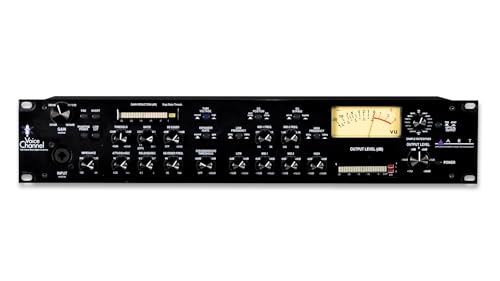
- Tube preamp with compressor, expander, de-esser, and gate.
- Includes ADAT Lite-pipe plus AES/EBU, S/PDIF, and TOSLink.
- Single-channel design suits focused recording setups.
Best For: Single-source recording chains that want preamp and processing in one unit
Budget 8-Channel ADAT Preamp

- Eight-channel mic preamp expander with ADAT Light Pipe.
- Uses Midas preamps on the input stage.
- Max sample rate is 48kHz, keeping it simple and affordable.
Best For: Affordable ADAT expansion for users who need more mic inputs
All-in-One Interface with ADAT
Focusrite Scarlett 18i20 4th Gen

- Eight mic preamps with dual ADAT for expansion.
- 24-bit/192kHz converters and 122dB dynamic range.
- Auto Gain and Clip Safe help streamline recording.
Best For: Studios that want an interface with mic preamps and ADAT in one box
Transparent Dual-Channel Booster

- Up to +75 dB clean gain
- Dual-channel mic support
- XLR balanced output with 3.5mm options
Best For: Home studios and streamers needing a compact low-noise mic booster
Ultra-Low-Noise Gain Stage

- 0~72 dB adjustable gain
- -120 dBV EIN low-noise design
- Mic and instrument inputs with 48V phantom power
Best For: Creators who need flexible gain, low noise, and portable streaming support
Simple Clean Gain Booster

- 20 dB balanced gain
- 48V support for dynamic and condenser mics
- Compact black metal case
Best For: Affordable simple vocal and streaming setups
Low-Noise Budget Pick
RO03 Mic Preamp, 66dB Gain, USB-C Power

- Up to 66dB gain with claimed -120dB EIN
- 1MΩ instrument input for cleaner DI use
- USB-C powered for portable recording setups
Best For: Budget users who want a quiet, compact preamp for vocal or instrument recording
Flexible Multi-Input Option
Mic Gain Booster with 3 Inputs and 48V
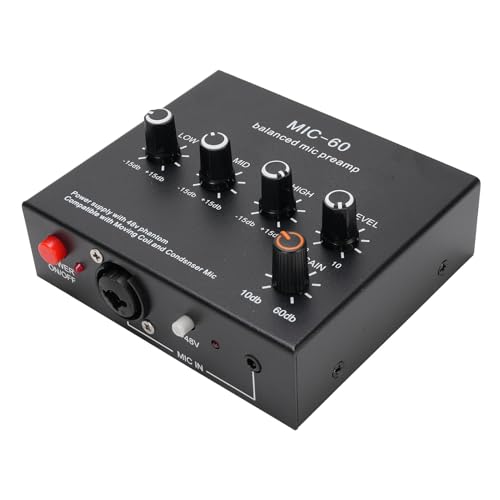
- Up to +60dB gain for dynamic mics
- 48V power supports condenser and dynamic mics
- Multiple output formats for broad device compatibility
Best For: Users who need a simple, multi-connection mic preamp for streaming or recording
High-Gain Studio Pick
MIC-1 Preamp, 75dB Gain, 48V Phantom

- Up to 75dB gain for low-output microphones
- Claimed -120dB EIN for clean recording
- XLR and 3.5mm outputs add routing flexibility
Best For: Studio users who want maximum gain and flexible analog outputs for vocals or DI recording
Premium 8-Channel ADAT Expansion – Focusrite Clarett+ OctoPre 8-In/8-Out
If you need a microphone preamp with adat output that can add clean channels to an existing rig, the Focusrite Clarett+ OctoPre is built for straightforward expansion. It offers eight Clarett preamps, ADAT connectivity, and a professional-grade signal path, making it a strong fit for studios that want to keep the sound natural while expanding I/O.
Best For: Engineers and home studios adding eight high-quality mic preamps through ADAT.
Pros:
- Eight microphone preamps with premium relay-controlled analogue circuitry.
- ADAT expansion makes it easy to add channels to compatible interfaces.
- 118dB dynamic range and 129dBu EIN support clean, low-noise recording.
- Includes inserts on every channel for outboard processing during tracking.
Cons:
- Designed as an expansion unit, so it depends on an ADAT-equipped interface.
- No built-in USB audio interface features.
Overall, this is a polished choice if you want a higher-end ADAT preamp expander with extra routing flexibility. The combination of eight preamps, inserts, and Focusrite’s Air mode makes it especially appealing for recording setups that value both clarity and control.
Tube Channel Strip with Digital Outs – ART VoiceChannel Tube Channel Strip
The ART VoiceChannel is a one-channel solution for anyone looking for a microphone preamp with adat output plus onboard processing in a single strip. It combines a tube preamp with dynamics tools and flexible digital connectivity, so it can work well when you want to shape the signal before it hits your interface.
Best For: Solo vocal or instrument recording chains that need preamp, compression, and digital output in one unit.
Pros:
- Tube preamp design adds warmth and definition to the signal.
- Built-in compressor, expander, de-esser, and gate provide shaping tools.
- Flexible digital outputs include ADAT Lite-pipe, AES/EBU, S/PDIF, and TOSLink.
- USB direct-connect support adds another way to route audio.
Cons:
- Only one channel, so it is not suited for multichannel expansion.
- Best fit for users who want channel-strip features, not a simple preamp-only box.
This is a practical pick if you want one channel with more control than a basic preamp can offer. Its digital output options and built-in dynamics make it useful for tracking vocals, bass, guitar, or other single-source recordings.
Budget 8-Channel ADAT Preamp – Behringer ADA8200
Behringer ADA8200 Audiophile 8 In/8 Out ADAT Audio Interface with Midas Mic Preamplifiers
Check Price On AmazonFor buyers searching for a microphone preamp with adat output at a lower cost, the Behringer ADA8200 is a straightforward eight-channel expander. It uses XLR inputs, connects over wired ADAT-style light pipe, and is aimed at adding more mic inputs to a compatible system without a complicated setup.
Best For: Budget-conscious users needing eight extra mic preamps via ADAT.
Pros:
- Eight-channel design gives you a simple way to expand input count.
- ADAT Light Pipe connectivity works with compatible recording setups.
- Includes Midas preamps for the input stage.
- Compact and lightweight compared with larger studio expanders.
Cons:
- Maximum sample rate is 48kHz, which is lower than some competitors.
- More basic feature set than premium ADAT preamp options.
The ADA8200 is best viewed as a practical expansion tool rather than a feature-heavy studio centerpiece. If your priority is adding affordable mic channels over ADAT, it delivers the essentials in a simple package.
All-in-One Interface with ADAT – Focusrite Scarlett 18i20 4th Gen
If you want a microphone preamp with adat output built into a full interface, the Focusrite Scarlett 18i20 4th Gen is a strong all-rounder. It combines eight mic preamps, dual ADAT, S/PDIF, MIDI I/O, and word clock, so it can serve as the center of a larger recording setup.
Best For: Producers who want a full-featured interface with ADAT connectivity and multiple mic inputs.
Pros:
- Eight mic preamps plus dual ADAT for flexible expansion.
- 24-bit/192kHz converters and 122dB dynamic range support high-quality recording.
- Auto Gain and Clip Safe simplify level setting and overload protection.
- Includes Hi-Z inputs, line inputs, MIDI, and word clock for broad connectivity.
Cons:
- As a full interface, it may be more than you need if you only want a standalone preamp expander.
- Requires USB connection and computer-based workflow.
This model makes sense when you want one unit to handle recording, monitoring, and expansion instead of adding a separate preamp box. Its combination of eight preamps, dual ADAT, and workflow tools makes it especially practical in busy project studios.
Transparent Dual-Channel Booster – XTUGA XIC1 Mic Preamp
If you want a microphone preamp with adat output-style practical gain staging for home recording or streaming, the XTUGA XIC1 focuses on clean, transparent boost rather than extra processing. It offers up to +75 dB of gain, 48V phantom power, and support for both dynamic and condenser mics, making it a straightforward way to lift lower-output sources before they hit your interface or recorder.
Best For: Home studios, podcast setups, and live streamers who want a compact dual-channel mic booster with low-noise operation.
Pros:
- Up to +75 dB of clean gain for low-output microphones
- Dual-channel input lets you run two mics at once
- 48V phantom power supports condenser mics
- XLR balanced output plus 3.5mm outputs for streaming devices
Cons:
- No ADAT output is listed in the supplied specifications
- Basic feature set compared with more studio-oriented preamps
- Best suited to simple boosting rather than advanced routing
The XIC1 is a good fit if you mainly need a quiet, compact preamp that adds gain without changing the character of your mic. Its metal shell and balanced circuit design are aimed at keeping noise down, which makes it appealing for everyday recording and streaming use.
Ultra-Low-Noise Gain Stage – RO-04 Studio Mic Preamp
For buyers comparing a microphone preamp with adat output alternatives, the RO-04 stands out for its clean gain and routing flexibility rather than digital expansion. It delivers 0~72 dB of adjustable gain, an advertised -120 dBV EIN noise floor, 48V phantom power, and dedicated mic and instrument inputs, so it can handle quiet vocals, dynamic mics, and instruments in one compact unit.
Best For: Recording and livestream setups that need very low noise, wide gain control, and both mic and instrument inputs.
Pros:
- 0~72 dB adjustable gain covers a wide range of sources
- -120 dBV EIN is designed for very low-noise performance
- Mic and instrument inputs use separate impedance paths
- USB-C and power bank support improve portability
Cons:
- No ADAT output is mentioned in the supplied notes
- More complex than a simple single-function mic booster
- May be more than needed if you only want basic gain lift
The RO-04 is the most feature-rich option here, especially if you record both voice and instruments. Its dual-output streaming support and portable power design make it a flexible choice for creators who move between studio and mobile setups.
Simple Clean Gain Booster – Fosasdyg 20dB Mic Preamp
If you need a straightforward microphone preamp with adat output on the wish list but mostly care about clean analog boost, this compact model keeps things simple. It provides 20 dB of balanced gain, 48V power for dynamic and condenser microphones, and a fully balanced circuit designed to keep noise low while preserving a neutral sound.
Best For: Users who want an affordable, compact mic booster for vocals, podcasting, and streaming.
Pros:
- 20 dB balanced gain for clean amplification
- 48V power supports dynamic and condenser microphones
- Fully balanced circuit aims for ultra-low noise
- Compact black metal case is easy to place or carry
Cons:
- No ADAT output is listed in the provided details
- Gain is modest compared with higher-output preamps
- Limited feature set versus more advanced studio units
This is a barebones, practical choice when you just want a small inline-style preamp that adds a modest amount of clean gain. It makes the most sense for simple vocal or streaming setups where low noise and easy handling matter more than extra routing features.
Low-Noise Budget Pick – RO03 Mic Preamp, 66dB Gain, USB-C Power
If you want a microphone preamp with adat output in the sense of a clean, external gain stage for interface-fed recording, the RO03 is built around low-noise, practical everyday use. It offers up to 66dB of gain, a claimed -120dB EIN noise floor, and a USB-C power input, making it a sensible option for compact vocal, streaming, and instrument setups where noise matters.
Best For: Budget-minded users who need a quiet mic preamp for vocals or instruments and prefer simple TRS line-in connection to an audio interface.
Pros:
- Up to 66dB of gain with a claimed -120dB EIN for low-noise recording.
- 1MΩ instrument input improves DI use with guitars and other instruments.
- USB-C power input adds portability and broader power compatibility.
- Can send signal through XLR, TRS, or TS outputs for flexible routing.
Cons:
- The two input ports cannot be used at the same time.
- Noise performance is best when connected to an interface’s TRS line input, not XLR.
- It is a single-channel unit, so it is not meant for multi-mic workflows.
Overall, the RO03 is a practical low-cost choice if your priority is clean gain and easy setup rather than advanced studio routing. Its strongest appeal is that the updated gain range and USB-C power make it easier to use in real-world recording conditions.
Flexible Multi-Input Option – Mic Gain Booster with 3 Inputs and 48V
For buyers comparing a microphone preamp with adat output style expansion needs, this VBESTLIFE unit is more about versatile analog routing than digital connectivity. It delivers up to +60dB of gain, includes 48V power, and supports multiple output options, so it fits small studio, podcast, and live-streaming setups that need one box to feed several devices.
Best For: Creators who need a compact preamp with multiple inputs and outputs for dynamic or condenser microphones.
Pros:
- Up to +60dB gain helps lift dynamic microphones cleanly.
- Includes 48V power and supports both dynamic and condenser mics.
- XLR balanced, 3.5mm, 6.35mm, and line outputs offer broad compatibility.
- Black metal housing is designed to reduce interference and stay portable.
Cons:
- There is no digital output feature listed in the supplied details.
- Best described as a compact utility preamp rather than a full studio interface.
- Only one sound cable is included, so some setups may need extra cables.
This model stands out for flexibility more than raw specification depth. If you need a straightforward preamp that can connect to several types of gear without much fuss, it is a workable option.
High-Gain Studio Pick – MIC-1 Preamp, 75dB Gain, 48V Phantom
If you are shopping for a microphone preamp with adat output in the broader sense of adding clean gain before your interface, the MIC-1 is the most studio-focused option here. It offers up to +75dB of gain, a claimed -120dB EIN noise floor, 48V phantom power, and separate balanced and auxiliary outputs, making it well suited to low-output dynamics and quiet vocal sources.
Best For: Recordists who want the highest gain and the most output flexibility for vocal or instrument tracking.
Pros:
- Up to +75dB clean gain gives extra headroom for weak dynamic mics.
- Claimed -120dB EIN and dedicated DC analog power aim for low-noise performance.
- 1MΩ instrument input supports clean DI-style recording without impedance issues.
- Balanced XLR plus 3.5mm Mic Out and Line Out provide flexible routing.
Cons:
- The two input ports cannot be used at the same time.
- There is no true digital output listed in the supplied specifications.
- Its extra output options may be more than casual users need.
Among these three, the MIC-1 is the strongest choice if gain and routing flexibility matter most. It is especially appealing for users working with low-output microphones who want a little more control at the preamp stage.
How We Picked the Best Microphone Preamp with Adat Output
We prioritized units that make practical sense for studio expansion: reliable gain, low-noise performance, usable channel counts, and straightforward ADAT integration. We also considered whether the unit is best suited to tracking vocals, instruments, or multiple sources at once, since not every preamp in this category serves the same role.
Quick Comparison
Think of the lineup in two groups. Purpose-built ADAT expanders are the cleanest choice if your goal is adding more mic inputs to an existing interface. Channel-strip and interface-style products can be useful if you want extra processing or an all-in-one system, but they are less direct if ADAT expansion is your main priority.
Key Buying Factors for Microphone Preamps with ADAT Output
Channel Count and Expansion Needs
Match the number of available inputs to your real sessions. If you mainly record vocals and overdubs, a smaller unit may be enough. If you track drums, ensembles, or live band rehearsals, higher channel counts will save time and wiring hassle.
Gain, Noise, and Mic Compatibility
Look for enough clean gain for dynamic and ribbon microphones, especially if you record soft sources. Low equivalent input noise matters more than big gain numbers alone. Phantom power is essential for condenser mics, and pad, phase, and high-pass filter controls add flexibility.
ADAT Implementation
Check whether the unit supports 8 channels at 44.1/48 kHz and reduced channel counts at higher sample rates, which is common with ADAT. Make sure your interface has a compatible optical input and that your clocking setup is straightforward.
Workflow and Build Quality
A Microphone Preamp with Adat Output should fit your workflow, not complicate it. Front-panel metering, easy gain staging, stable locking connectors, and dependable power are all worth paying attention to if the unit will live in a working studio.
Who Should Buy Which Microphone Preamp with Adat Output?
Choose a dedicated ADAT preamp if your main goal is adding transparent inputs to an existing interface. Choose a channel strip if you want onboard shaping before conversion. Choose an interface with ADAT I/O if you also need a new main recording hub. And if you only need one or two channels for a simple setup, a smaller mic preamp may be the most cost-effective option, even if it is not the most expandable.
For most buyers, the best pick is the one that balances clean gain, enough channels for current projects, and an upgrade path that will still make sense a year from now.