The best loop stations for home studios make it easier to layer guitar, bass, vocals, keyboards, and rhythm parts without committing every idea to a full arrangement.
These picks cover dedicated loop pedals, drum-looping options, recording accessories, monitoring equipment, and desktop studio supports so you can match your setup to your workflow and available space.
Best 10 Loop Stations for Home Studios Picks for 2026
Best Simple Stereo Looper

- Easy record, overdub, undo, and redo controls
- 12 minutes of stereo recording time
- Clear 24-segment loop-status indicator
Best For: Beginners and players wanting a reliable stereo looper
Best Interface for Loopback Recording
PIYONE Q2 2X2 USB Audio Interface

- 24-bit/192kHz recording resolution
- Two XLR/TRS combo inputs with 48V phantom power
- USB-C, bus-powered design with direct monitoring
Best For: Computer-based home-studio recording and loopback workflows
Best Bass Practice Looper
Zoom B1 Four Multi-Effects Processor

- 70-plus effects and nine amp simulations
- 30-second looper with 68 rhythm patterns
- Up to 18 hours on four AA batteries
Best For: Bassists wanting effects, rhythms, and portable looping
Best Long-Memory Looper

- Nine loops and 40 minutes of total recording
- Up to 10 minutes per single recording
- USB WAV transfer, tuner, and included power adapter
Best For: Guitarists needing extended phrases and multiple loop slots
Desk Expansion Stand

- 55-degree angled platform
- Adjusts from 8.25 to 13 inches
- Steel build with non-slip pads
Best For: Keyboard-based home studios needing reachable extra gear
Signal Cleanup Tool

- Passive, no external power needed
- Helps reduce ground-loop hum
- Compact metal housing with XLR and 1/4-inch connections
Best For: Home setups that need simpler, quieter signal connections
All-in-One Looper
FF20 Looper Pedal Drum Machine

- 300 minutes and 100 loop slots
- 220 grooves across 11 drum styles
- USB-C transfer and headphone output
Best For: Guitarists and bassists creating layered home-studio performances
DJ Performance Hub
DDJ-REV5 4-Deck Controller Bundle

- 2-channel, 4-deck control
- Backlit remix and mash-up pads
- Includes desktop monitors and stands
Best For: Home-studio DJs wanting flexible deck control and monitoring
Dedicated Looping Station

- 300 minutes across 100 loop slots
- 220 built-in drum grooves
- USB-C and headphone output
Best For: Solo musicians creating layered home-studio arrangements
Studio Workflow Upgrade
Headliner Adjustable Production Stand
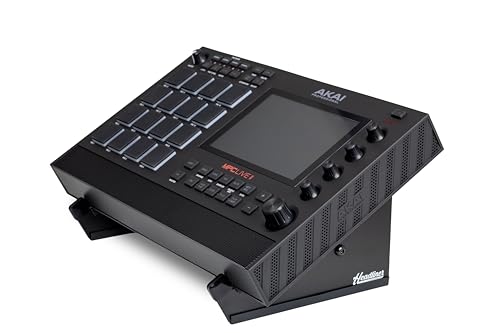
- Fits Boss RC-505 and larger gear
- Adjusts from 8.25 to 13 inches
- Angled steel design with rubber pads
Best For: Organizing and elevating a desktop loop station
Best Simple Stereo Looper – BOSS RC-1 Loop Station Pedal
For musicians seeking straightforward loop stations for home studios, the BOSS RC-1 offers an uncomplicated way to record, overdub, undo, redo, and play back ideas. Its stereo connectivity and clear loop-status indicator make it practical for guitar, bass, keyboard, and other compatible setups.
Best For: Beginners and players who want a reliable, easy-to-use stereo looper.
Pros:
- Simple controls support recording, overdubbing, playback, undo, and redo.
- Provides up to 12 minutes of stereo recording time.
- 24-segment LED indicator shows the current loop mode.
- Recorded phrases remain in memory after the pedal is turned off.
Cons:
- AC adapter is optional and sold separately.
- Included 9V battery provides approximately 4.5 hours of operation.
The RC-1 is a strong fit when ease of use matters more than extensive effects or rhythm features. Its compact stompbox design and stereo I/O suit a simple home-studio looping workflow.
Best Interface for Loopback Recording – PIYONE Q2 2X2 USB Audio Interface
The PIYONE Q2 is a practical choice for home studios that need an audio interface with loopback and monitor-mix functionality. Its USB-C, bus-powered design supports plug-and-play recording on Mac and PC, while two combo inputs accommodate microphones and instruments.
Best For: Home-studio creators recording vocals, guitar, or other two-channel sources through a computer.
Pros:
- Supports 24-bit/192kHz recording for high-resolution capture.
- Two XLR/TRS combo inputs provide flexible source connections.
- Includes 48V phantom power for compatible condenser microphones.
- Direct monitoring is designed for zero-latency tracking.
Cons:
- It is an audio interface rather than a dedicated foot-operated looper.
- Supplied details list Windows compatibility but do not specify mobile operating-system support beyond the product description.
Choose the Q2 when your looping workflow centers on computer recording, loopback, and live monitoring rather than standalone pedal operation. Its compact, one-cable setup keeps a small studio uncomplicated.
Best Bass Practice Looper – Zoom B1 Four Multi-Effects Processor
The Zoom B1 Four combines a bass looper with a broad effects library and rhythm section, making it one of the more versatile loop stations for home studios focused on bass practice. It can record loops up to 30 seconds and lets players build sounds with amp models and chained effects.
Best For: Bassists who want looping, effects, amp modeling, and built-in rhythms in one portable unit.
Pros:
- Includes more than 70 effects and nine amp simulations.
- Allows up to five effects to be chained in any order.
- Built-in looper records up to 30 seconds of audio.
- Offers 68 drum patterns and up to 18 hours of battery operation.
Cons:
- The 30-second looper is shorter than the dedicated loopers in this roundup.
- Its bass-focused design may be less suitable for players seeking a general-purpose looper.
The B1 Four is best viewed as a practice and tone-shaping hub with looping included. Its effects, rhythms, tuner, and battery operation make it especially useful for developing bass parts away from a larger setup.
Best Long-Memory Looper – LEKATO Guitar Looper Pedal
For home studios where extended phrases and loop management matter, the LEKATO Guitar Looper offers nine loop slots and up to 40 minutes of total recording time. Its USB transfer support, built-in tuner, and one-knob playback-volume control add useful flexibility to a compact pedal setup.
Best For: Guitarists who need long recordings, multiple stored loops, and computer file transfer.
Pros:
- Stores nine loops with up to 10 minutes for a single recording.
- Provides 40 minutes of total recording time.
- Uses 48kHz/24-bit uncompressed audio with analog dry-through.
- Includes USB import/export, a tuner, and a 9V power adapter.
Cons:
- The supplied notes describe a guitar-oriented pedal, so broader instrument compatibility is not specified.
- It uses a one-button foot-command system, which may require learning the different commands.
The LEKATO stands out for musicians who quickly outgrow short loop times. Its extended memory and WAV transfer capability make it useful for building and organizing loop ideas in a home-studio workflow.
Desk Expansion Stand – Adjustable Production Stand
For home studios building loop stations for home studios around a keyboard or production desk, the Headliner stand creates an angled platform for an additional synth, sampler, effects module, or drum machine. Its adjustable width and 55-degree angle help keep secondary gear within reach without leaving the keyboard.
Best For: Keyboard players who need an organized, space-conscious platform for extra production gear.
Pros:
- 55-degree angle keeps devices within arm’s reach.
- Adjustable width fits gear from 8.25 to 13 inches wide.
- Steel construction and non-slip rubber pads support a stable setup.
- Can help fit more equipment on a production desk.
Cons:
- Its single-level design is intended for one elevated device or unit.
- At 3.9 pounds, it adds noticeable weight to a portable setup.
This is a practical workflow accessory rather than a looper itself. Choose it when fast access and desk organization matter, especially in a keyboard-centered home studio.
Signal Cleanup Tool – Live Sound Hum Isolation Box
When assembling loop stations for home studios, unwanted hum can complicate connections between microphones, instruments, playback sources, and mixers. This passive isolation box is designed to help reduce ground-loop hum and interference without requiring batteries or an adapter.
Best For: Home rigs, streaming desks, rehearsal spaces, and studio chains where hum reduction and tidy signal connections are priorities.
Pros:
- Passive operation requires no external power.
- Helps reduce ground-loop hum and unwanted interference.
- Visible XLR and 1/4-inch connections make hookup reference straightforward.
- Compact metal housing suits drawers, gig bags, and desktop stations.
Cons:
- It is an isolator, not a looper or recording device.
- The supplied warranty is limited to 90 days from purchase.
This box is most useful as a supporting piece in a loop-based setup. It can simplify connections and address hum issues, but it does not add looping, storage, or performance controls.
All-in-One Looper – FF20 Looper Pedal Drum Machine
The FLAMMA FF20 is a strong centerpiece for loop stations for home studios, combining stereo looping, drum patterns, and practice features in one pedal. It offers 300 minutes of recording across 100 loop slots, plus headphone monitoring for quiet sessions.
Best For: Guitarists and bassists who want layered compositions, built-in rhythms, and silent home practice.
Pros:
- Stores up to 300 minutes of stereo loops in 100 memory slots.
- Includes 220 drum grooves across 11 styles.
- Color screen displays loop status, recording time, BPM, and drum settings.
- USB-C file transfer, time stretch, auto record, and headphone output expand its practice and editing options.
Cons:
- Requires a 9-volt, 300-milliamp power supply.
- The pedal’s feature set may be more than needed for users seeking simple one-loop operation.
- Its listed style is delay, while its primary functions are looping and drum accompaniment.
Among these options, the FF20 is the direct looping solution. Its large storage capacity, rhythm engine, and headphone output make it especially suitable for composing and practicing at home without a full band.
DJ Performance Hub – DDJ-REV5 4-Deck Controller Bundle
For home studios that need flexible control alongside monitoring, this Pioneer bundle combines a 2-channel, 4-deck DJ controller with a pair of DM-40D-BT desktop monitors, stands, and an RCA cable. It is a performance-focused option rather than a dedicated looper, but its pads, deck controls, and dual USB-C connections can support loop-based DJ workflows.
Best For: Home-studio DJs and performers who want four-deck control, remix features, and included desktop monitoring.
Pros:
- 2-channel, 4-deck layout offers flexible control without excessive complexity.
- Vinyl-textured jog wheels feature adjustable weight for a customized feel.
- Backlit pads support mash-ups and remix control with volume and mute functions.
- Includes DM-40D-BT monitors, adjustable stands, and an RCA-RCA cable.
Cons:
- It is a DJ controller bundle, not a dedicated hardware loop station.
- Its feature set may be more extensive than needed for simple home looping.
The DDJ-REV5 bundle makes the most sense when your loop-station workflow overlaps with DJ performance, deck juggling, and remixing. The included speakers make it easier to build a complete desktop setup.
Dedicated Looping Station – FLAMMA FF20 Looper Pedal
The FLAMMA FF20 is a practical choice among loop stations for home studios, combining stereo looping, a built-in drum machine, and silent headphone monitoring in a compact pedal. Its storage capacity and USB file transfer make it suitable for developing layered ideas and saving repeatable practice material.
Best For: Guitarists, bassists, and solo musicians who want layered looping, drum grooves, and quiet home practice.
Pros:
- Stores up to 300 minutes of stereo recordings across 100 loop slots.
- Built-in drum machine provides 220 grooves across 11 styles.
- Full-color screen displays loop status, recording time, BPM, and patterns.
- USB-C file transfer and headphone output support editing and silent practice.
Cons:
- Requires a 9-volt, 300-milliamp power source.
- Its pedal format may offer less hands-on control than larger tabletop loop stations.
With auto record, time stretch, tap tempo, one-shot mode, and fade-out functions, the FF20 offers a broad toolkit without leaving the pedal format. It is especially well suited to musicians building arrangements alone at a desk.
Studio Workflow Upgrade – Headliner Adjustable Production Stand
The Headliner Adjustable Steel Desktop Production Stand is an accessory for organizing loop stations for home studios rather than a looping device itself. Its angled, width-adjustable platform can raise compatible gear such as the Boss RC-505, helping place controls and screens in a more reachable position.
Best For: Home-studio producers who need a stable riser for a larger loop station, sampler, drum machine, or production controller.
Pros:
- Fits the Boss RC-505 and other larger production devices.
- Width adjusts from 8.25 to 13 inches for compatible gear.
- Angled design improves access to knobs and visibility of screens.
- Steel construction and non-slip rubber pads support desk stability.
Cons:
- It is a stand, not a looper or audio device.
- Compatibility depends on the equipment fitting its adjustable dimensions.
This stand is a sensible workflow add-on when a tabletop looper or sampler is difficult to see or reach. Its value comes from improved desk organization and positioning rather than added recording features.
How We Picked the Best Loop Stations for Home Studios
We focused on the features that matter most in a home environment: dependable recording, practical loop capacity, simple controls, sound quality, connectivity, and compatibility with common instruments and recording systems. Because a looping setup often includes more than one pedal, we also considered useful supporting gear such as audio interfaces, monitor speakers, isolation tools, and desktop stands.
The selection includes both straightforward loopers for learning and practice and more capable units suited to layered arrangements. Where product specifications vary, check the manufacturer’s current documentation for exact input, output, power, storage, and compatibility details.
Quick Comparison
| Best For | What to Prioritize | Recommended Type |
|---|---|---|
| Simple guitar or vocal looping | Easy foot control and clear overdubbing | Dedicated single-track looper |
| Beat-based songwriting | Drum patterns, memory, and timing controls | Looper with drum machine |
| Bass practice and effects | Instrument-specific processing and presets | Bass multi-effects unit |
| Computer-based recording | Low-noise conversion and suitable I/O | USB audio interface |
| Compact desktop production | Stable, angled equipment support | Adjustable production stand |
Key Buying Factors for Loop Stations for Home Studios
Loop Time and Memory
Short loopers work well for practice, riffs, and basic overdubs. If you create complete song sketches, prioritize longer recording time, saved loop slots, and easy recall. Memory is especially valuable when you want to keep ideas between sessions.
Controls and Timing
Footswitch layout affects whether you can start, stop, undo, redo, and overdub without interrupting your performance. Rhythm synchronization, quantization, tap tempo, and a visible display can make beat-driven looping substantially easier.
Connections and Signal Quality
Check instrument inputs, microphone support, stereo operation, auxiliary inputs, headphones, and USB connectivity. A clean signal path matters in a small room, while a hum isolator can help resolve ground-loop noise between connected devices.
Power, Size, and Workflow
Confirm the required adapter or battery arrangement and leave room for cables and foot access. Desktop stands can improve viewing angles and organization, while monitoring equipment should suit both your desk size and listening distance.
Who Should Buy Which Loop Stations for Home Studios?
Choose a simple dedicated pedal if you want immediate, hands-on looping for guitar, vocals, or basic practice. Choose a looper with built-in drums when you need a stronger rhythmic foundation or want to develop full song ideas without a computer. Bass players may benefit from a multi-effects processor that combines looping with amp modeling and effects.
For computer-centered recording, pair a looper with an audio interface that offers the inputs and monitoring connections your instruments require. Add desktop stands when equipment placement is cramped, and consider isolation hardware if your setup produces unwanted hum. The best choice is the unit that matches your instrument, performance style, and desired level of control rather than simply offering the longest recording time.