Choosing a guitar effects processor for studio recording is mostly about tone, routing, and workflow. The best options make it easy to capture polished sounds without relying on a loud amp or complicated setup.
In this roundup, we focus on processors that offer useful amp models, cab sims, USB recording, and practical editing features for home and project studios.
Best 10 Guitar Effects Processor for Studio Recording Picks for 2026
Multi-FX Recording Workhorse
MOOER GE150 Pro Guitar Multi Effects Processor

- 200 presets with 170 effects, 55 amp models, and 26 cab sims
- USB OTG recording plus Type-C editing and firmware support
- Four footswitches, expression pedal, looper, and drum machine
Best For: players wanting an all-in-one multi-effects unit for tone building and quick recording
Studio Interface Pick
Focusrite Scarlett Solo 3rd Gen USB Audio Interface

- Hi-Z instrument input for guitar or bass recording
- 24-bit/192kHz conversion with balanced outputs
- Includes recording software and Air mode
Best For: guitarists and home-recording users who need a simple clean interface
Compact Modeler Loader
Valeton GP-50 Multi-Effects Processor
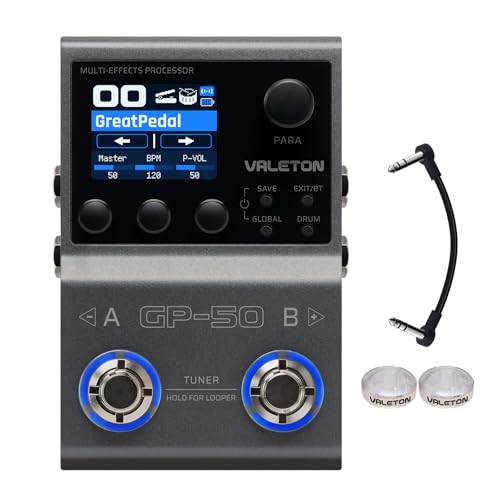
- Over 100 HD effects with NAM and IR loading
- 2-in/2-out USB audio with re-amping support
- BT 5.0 app control and rechargeable battery
Best For: players wanting a portable modeler with modern loading and USB recording features
Budget Practice Multieffects
MOOER GE100 Multi-Effects Guitar Pedal

- 80 preset patches and 80 user patches
- 66 effects with 180-second looper and drum rhythms
- Expression pedal plus headphone out and line-out mode
Best For: beginner and home players who want affordable practice effects and simple recording
Vocal Recording Companion
AVE-100 Multi-Effect Vocal Processor

- Combo XLR/6.35mm input with 48V phantom power
- Auto-tune, harmony, echo, and reverb effects
- OTG recording with headphone monitoring
Best For: Home-studio vocal recording, streaming, and podcast capture
Pocket Studio Multi-FX
LEKATO Multi Effects Guitar Pedal

- 125 effects with 30 amp models and 30 cab sims
- USB audio interface supports ASIO recording and OTG
- Rechargeable, 250g design with looper and drum rhythms
Best For: Home recording guitarists who want amp sims, USB audio, and portability
Entry-Level Practice and Recording
Zoom G1X Four Multi-Effects Pedal

- 71 effects and 13 amp models
- 30-second looper plus 68 rhythm patterns
- Zoom Guitar Lab editing on Mac/Windows
Best For: Affordable all-round use for practice, songwriting, and simple recording prep
Portable USB Recording Rig
SK17 Clip-On Multi Effects Processor

- USB OTG recording with 44.1KHz/24bit audio
- 80 presets and 6 modular effect sections
- Pocket-sized 120g build with rechargeable battery
Best For: Mobile players who want direct phone/PC recording and easy carry
Studio-Focused IR Modeling
PIXIE1 Guitar Multi Effects Pedal

- IR cabinet simulation up to 2048 samples
- USB OTG recording with built-in audio interface
- Amp models plus delay, reverb, and modulation
Best For: Compact studio recording with realistic cabinet tone and simple USB capture
Multi-FX Recording Workhorse – MOOER GE150 Pro Guitar Multi Effects Processor
If you want a guitar effects processor for studio recording that also works as a full practice and songwriting hub, the MOOER GE150 Pro is built around that idea. It combines 200 factory presets, 55 amp models, 26 cab simulations, IR loading, and USB OTG recording, so you can shape tones and capture ideas without adding much extra gear.
Best For: Players who want an all-in-one multi-effects unit for tone building, looping, and quick phone or computer recording.
Pros:
- USB Type-C connection supports tone editing, data management, firmware updates, and OTG audio recording/playback.
- 200 presets, 170 effects, 55 amp models, 26 cab sims, and 20 AMP/CAB sample slots give you a wide sound palette.
- Four multi-purpose footswitches plus an expression pedal offer flexible control for switching, parameter mapping, and volume.
- Built-in tuner, 80-second stereo looper, and drum machine make it useful for practice and composing too.
Cons:
- It is a digital multi-effects processor, so it may be more complex than a simple plug-and-play interface.
- The included recording workflow centers on OTG and USB connectivity rather than a dedicated studio interface design.
For guitarists who want a compact, feature-rich processor that can cover recording, practice, and performance, the GE150 Pro stands out for flexibility. Its biggest strength is the combination of amp/cab modeling and recording-focused connectivity in one unit.
Studio Interface Pick – Focusrite Scarlett Solo 3rd Gen USB Audio Interface
For a guitar effects processor for studio recording setup, the Focusrite Scarlett Solo 3rd Gen is the clean recording front end that helps your pedals or modelers shine. It offers one Hi-Z instrument input, a mic preamp, up to 24-bit/192kHz conversion, and low-noise balanced outputs for reliable tracking and playback.
Best For: Guitarists, vocalists, and home-recording users who need a straightforward interface for capturing clean studio-quality audio.
Pros:
- 1 Hi-Z instrument input is designed for guitar or bass recording.
- 24-bit/192kHz conversion supports detailed studio-quality recording and mixing.
- Air mode adds extra clarity, especially useful for acoustic instruments.
- Includes software tools like Pro Tools Intro+, Ableton Live Lite, Cubase LE, and Hitmaker Expansion.
Cons:
- It is an audio interface, not a multi-effects processor, so it does not create amp or effects tones on its own.
- Only one instrument input is listed, which limits simultaneous guitar tracking.
If your priority is clean capture rather than onboard effects, the Scarlett Solo is a solid studio anchor. It pairs especially well with a pedalboard or modeling processor when you want simple, dependable recording.
Compact Modeler Loader – Valeton GP-50 Multi-Effects Processor
The Valeton GP-50 is a strong guitar effects processor for studio recording if you want modern modeling tools in a compact box. It combines over 100 HD effects with NAM loading, IR cabinet loading, USB audio, and mobile app editing, making it easy to build tones and send them straight into a recording workflow.
Best For: Players who want a portable modeler with NAM/IR support and flexible USB recording options.
Pros:
- Supports up to 9 simultaneous modules, with customizable order for building complex signal chains.
- Includes NAM and IR loading, plus space for up to 80 NAM files and 20 cabinet IR files.
- 2-in/2-out USB audio supports re-amping and works with Win, Mac, iOS, and Android.
- BT 5.0 app control and a color LCD make editing and monitoring easy.
Cons:
- It has dual footswitches, so live control is less expansive than some larger processors.
- The unit is compact, which may mean fewer onboard controls than bigger floor modelers.
The GP-50 is especially appealing if you want modern amp-modeling features without a bulky floor unit. Its USB audio, NAM support, and battery-powered portability make it versatile for studio sessions and mobile recording.
Budget Practice Multieffects – MOOER GE100 Multi-Effects Guitar Pedal
The MOOER GE100 is a practical guitar effects processor for studio recording and home practice when you want a simple, budget-friendly multi-effects pedal. It offers 80 preset patches, 80 user patches, 66 effects, a looper, drum rhythms, and headphone out, so you can build ideas and record basic tones without a lot of setup.
Best For: Beginner and home players who want an affordable multi-effects pedal for practice, learning, and simple recording.
Pros:
- 80 preset patches and 80 user patches provide a solid starting point for sound creation.
- 66 effects across 8 modules give you distortion, delay, chorus, reverb, and more.
- 180-second looper and 40 drum rhythms help with practice and songwriting.
- Assignable expression pedal parameters and line-out mode add useful control and flexibility.
Cons:
- It uses analog signal format and basic controls, so it is less advanced than newer modelers.
- Recording connectivity is not as direct or feature-rich as USB-equipped processors.
The GE100 is a good fit when you want lots of usable sounds without paying for higher-end modeling features. It is especially appealing as a practice pedal that can still support straightforward recording and silent headphone use.
Vocal Recording Companion – AVE-100 Multi-Effect Vocal Processor
If you’re shopping for a guitar effects processor for studio recording, this unit is actually a vocal-focused option built for singers, podcasters, and home studio workflows. It stands out with combo mic input, phantom power, OTG recording, and onboard effects that make it useful when you need a compact recording front end rather than a guitar rig.
Best For: Singers, streamers, and podcasters who want a compact vocal processor for home studio recording and live capture.
Pros:
- 6.35mm/XLR combo input with professional preamp and 48V phantom power
- Two auto-tune correction modes plus three harmony modes for quick vocal shaping
- Stereo echo, reverb, feedback reduction, and AI key recognition for easier setup
- OTG internal recording, headphone monitoring, and loopover for content creation
Cons:
- Designed for vocals, not a true guitar multi-effects processor
- Best suited to simple one-button operation rather than deep editing
- Feature set is focused on live, streaming, and home use instead of guitar amp modeling
For studio recording needs centered on vocals, this is a practical all-in-one box with useful capture and monitoring tools. If your goal is guitar tone shaping, you’ll want a dedicated guitar processor instead.
Portable Amp Modeler – BOSS GX-1 Ultra-Portable Guitar Effects Processor
The BOSS GX-1 is a strong pick if you want a guitar effects processor for studio recording with a compact footprint and a serious amp/effects library. Its AIRD engine, 24-bit/32-bit conversion, and USB connectivity make it a practical option for building tones, storing presets, and recording directly into a computer-based setup.
Best For: Beginner to intermediate guitarists who want portable BOSS tones and easy studio-ready recording.
Pros:
- 23 amplifier types and over 140 BOSS effects in a very portable chassis
- AIRD technology with 24-bit AD, 32-bit DA, and 32-bit floating-point processing
- Color display and category buttons keep operation straightforward
- USB connection plus 99 presets and 99 user memories for recording workflow
Cons:
- Feature depth may be more than some beginners need at first
- Portable size means less hands-on control than larger floor units
- Powered by AC adaptor, batteries, or USB, but still a digital multi-unit to learn
For studio use, this unit balances authentic amp response with the convenience of quick preset management and USB integration. It is especially appealing if you want a compact BOSS processor that can move from practice to recording without much friction.
Pocket Studio Multi-FX – LEKATO Multi Effects Guitar Pedal
If you want a guitar effects processor for studio recording that can also travel easily, the LEKATO multi-effects pedal is built around that exact use case. It combines 125 effects, amp and cab simulation, NAM/IR support, and USB audio interface functions, giving home recordists a compact all-in-one option for tracking ideas and building tones.
Best For: Guitarists who want a compact, battery-powered multi-effects unit with recording and amp-sim features.
Pros:
- 125 effects, 30 amp models, 30 cab sims, and support for NAM/IR uploads
- USB audio interface with ASIO low-latency recording for PC/Mac and OTG mobile recording
- Built-in looper, 100 drum rhythms, tuner, and app-based editing over Bluetooth
- Rechargeable battery and 250g weight make it easy to use as a grab-and-go studio tool
Cons:
- Compact 2-inch screen may feel small for deep editing
- Battery life is rated at about 4 hours, so longer sessions may need charging
- More of a lightweight multi-FX platform than a full-size floorboard experience
For recording-focused players, this pedal covers a lot of ground in a small package, especially if you want USB audio and amp simulation without a bulky rig. It is a sensible choice for home practice, songwriting, and fast studio sketches.
Entry-Level Practice and Recording – Zoom G1X Four Multi-Effects Pedal
If you want a guitar effects processor for studio recording that also stays useful for practice, the Zoom G1X Four gives you a lot to work with in a compact format. It offers 71 effects, 13 amp models, and USB editing through Zoom Guitar Lab, so you can build and refine tones without needing a large rig.
Best For: Players who want an affordable all-round multi-effects pedal for writing, practice, and basic recording control.
Pros:
- 71 built-in effects and 13 amp models cover a wide range of tones.
- 30-second looper and 68 rhythm patterns are useful for songwriting and practice.
- Zoom Guitar Lab software lets you edit patches on Mac or Windows.
- Expression pedal adds hands-on control in a small footprint.
Cons:
- Recording features are more basic than a dedicated USB audio interface.
- Best suited to straightforward setup and tone-shaping rather than deep studio routing.
Overall, this is a practical starter option if you need effects, amp modeling, and looping in one pedal. It is especially appealing when you want to sketch tones quickly and keep the workflow simple.
Portable USB Recording Rig – SK17 Clip-On Multi Effects Processor
This guitar effects processor for studio recording is built for players who want a pocket-sized way to capture tracks directly to a phone or computer. The SK17 combines ANN amp modeling, 80 presets, 6 effect modules, and a USB sound card with OTG recording at 44.1KHz/24bit, making it a strong fit for fast mobile sessions.
Best For: Guitarists who need ultra-portable recording, quick preset switching, and built-in USB audio capture.
Pros:
- USB sound card supports OTG recording and loopback at 44.1KHz/24bit.
- 80 presets with 6 modules and customizable signal chain.
- Supports 3rd-party IR files for expanded cabinet options.
- Rechargeable battery and 120g design make it easy to carry anywhere.
Cons:
- Very compact design may feel less traditional than a floorboard pedal.
- Clip-on mounting style may not suit every player or setup.
If portability and direct-to-device recording matter most, the SK17 stands out. It is designed for quick capture, silent practice, and travel-friendly use without adding extra interface gear.
Studio-Focused IR Modeling – PIXIE1 Guitar Multi Effects Pedal
For players shopping for a guitar effects processor for studio recording, the PIXIE1 is built around IR cabinet simulation and USB OTG recording. It combines amp modeling, distortion, delay, reverb, and modulation with a built-in USB audio interface, so you can move from tone shaping to direct capture without extra hardware.
Best For: Guitarists who want realistic cabinet simulation and direct USB recording in a compact pedal.
Pros:
- IR cabinet simulation supports up to 2048 samples for more realistic amp and speaker tone.
- USB OTG recording and audio interface support direct connection to phones, tablets, and computers.
- Includes amp models plus distortion, delay, reverb, and modulation effects.
- Headphone output, AUX input, and USB connection add flexible monitoring options.
Cons:
- Fewer specifics are provided about preset count or deep editing features.
- It is more focused on core recording and tone shaping than on extra performance functions.
This is a sensible pick if your priority is straightforward studio-ready sound in a small footprint. The IR support and USB interface make it especially useful for recording, streaming, and headphone-based practice.
How We Picked the Best Guitar Effects Processor for Studio Recording
We prioritized models that fit real studio use: direct USB recording, usable amp and cabinet simulation, low-latency monitoring, flexible preset management, and enough effects to cover clean, crunch, ambient, and high-gain recording needs. We also considered whether the unit is easy to edit quickly, since studio sessions move faster when sound shaping is simple.
Quick Comparison
For a Guitar Effects Processor for Studio Recording, the most important tradeoff is usually simplicity versus flexibility. Compact units are easier to place on a desk and record through USB, while more advanced processors offer deeper editing, more amp/cab options, and better support for IRs or NAM files. If you want fast tracking, choose a model with strong presets and a straightforward interface. If you build tones from scratch, look for multi-module routing and broader loading support.
Key Buying Factors for Guitar Effects Processor for Studio Recording
USB Audio Quality and Monitoring
Make sure the processor can act as a reliable USB audio interface or pair well with one. Clear direct monitoring matters for recording tight parts without distracting delay or noise.
Amp Models, Cab Sims, and IR Support
Studio-ready tones depend on convincing amp modeling and speaker simulation. IR loading is especially valuable if you already have favorite cabinet captures or want a more realistic finished sound.
Preset Flexibility and Editing Depth
Look at how many patches you can save, how many effects can run at once, and whether the controls make it easy to swap sounds between songs. A good workflow saves time during tracking and overdubs.
Expression Control and Extra Inputs
An expression pedal, headphone output, and auxiliary or BT control can make late-night recording and hands-on performance more practical. These extras are less critical than tone, but they improve day-to-day usability.
Who Should Buy Which Guitar Effects Processor for Studio Recording?
Beginner players should favor a simple, portable unit with solid presets and an easy signal path. Home-recording guitarists will usually benefit most from USB audio, IR support, and cleaner amp/cab modeling. If you want maximum flexibility for production work, choose a more advanced processor with deeper routing, more storage, and broader model or loader support. If your priority is fast demo capture, a streamlined unit with dependable direct recording features is often the smartest pick.