Choosing your first effects processor can be confusing when one pedal offers amp modeling, dozens of effects, presets, recording tools, and expression control. The right model should make experimenting easy without overwhelming you.
We’ve gathered 10 guitar effects processors for beginners, from compact practice pedals to more advanced multi-effects units. Use this guide to compare usability, features, connectivity, and long-term value before you buy.
Best 10 Guitar Effects Processors for Beginners Picks for 2026
Best Practice Playground

- 71 effects and 13 amp models
- 30-second looper with 68 rhythm patterns
- Expression pedal and headphone practice
Best For: Beginners focused on practice, looping, and exploring tones
Best Portable Classic

- GT-series engine with BOSS amps and effects
- Easy Select and Easy Edit controls
- Up to seven hours on four AA batteries
Best For: Beginners seeking portable BOSS tones and simple patch editing
Best Hands-On Upgrade
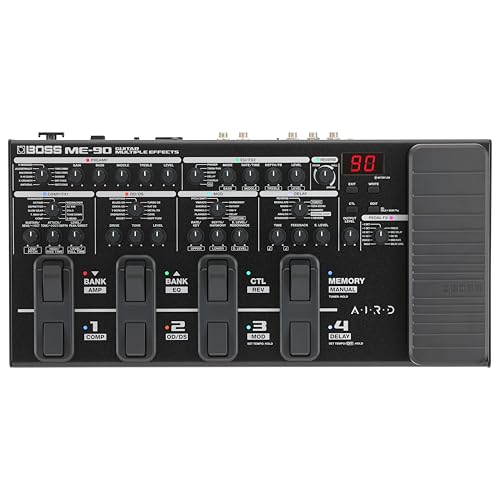
- 60 effects and 11 AIRD amp models
- Eight footswitches plus expression pedal
- Effects loop, IR loading, and 72 patch slots
Best For: Beginners planning to perform and expand their rig
Best Beginner Value

- 80 factory and 80 user patches
- 66 effects with expression pedal control
- Looper, drums, tuner, and learning functions
Best For: Beginners building a first self-contained practice setup
Best for Versatility

- 240-plus effects and amp/cab models
- USB-C audio, MIDI, XLR, and effects loop
- 180-second looper with 100 drum patterns
Best For: Beginners planning to expand into recording or live setups
Best for Practice and Tone Shaping
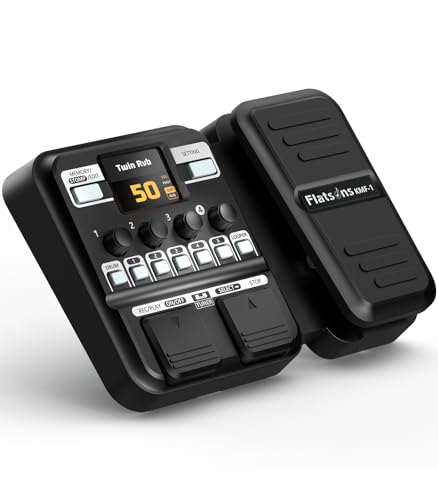
- 77 effects with 18 amp and cabinet models
- Looper, drums, tuner, and phone aux input
- Battery operation plus detailed editing modes
Best For: Beginners who want guided practice and hands-on sound design
Best Pocket-Sized Option
ANN SK17 Multi-Effects Processor

- 80 presets and six reorderable effect modules
- USB OTG recording and Bluetooth backing tracks
- 120g design with up to seven hours of battery life
Best For: Portable practice, simple recording, and travel
Best Feature-Rich Practice Choice

- More than 200 effects and 12 simultaneous modules
- Looper, drum patterns, tuner, and expression pedal
- Rechargeable battery with USB-C and 9V DC options
Best For: Learning, recording, and hands-free practice control
Best Foot-Controlled Learning Tool

- Four footswitches and an expression pedal
- 200 presets, 170 effects, and 20 IR slots
- Looper, drum machine, tuner, and OTG recording
Best For: Foot-controlled practice and beginner performance setups
Best Practice Playground – Zoom G1X Four
The Zoom G1X Four is a strong starting point for guitar effects processors for beginners who want plenty to explore without assembling multiple pedals. Its 71 effects, 13 amp models, looper, rhythm patterns, tuner, and expression pedal support practice, recording, and early live experimentation.
Best For: Beginners who want an affordable, practice-focused unit with built-in rhythms, looping, and hands-on expression control.
Pros:
- Includes 71 effects and 13 amp models for broad tone exploration.
- 30-second looper and 68 rhythm patterns make practice more engaging.
- Supports silent practice through headphones and external audio via aux.
- Battery-powered design and Guitar Lab software add portability and editing options.
Cons:
- The 30-second looper is more limited than longer-loop solutions.
- Its extensive effect selection may take time for a complete beginner to navigate.
For learners who value guided practice and experimentation, the G1X Four combines the most useful beginner features in one compact processor. The included expression pedal also provides a practical way to learn real-time control.
Best Portable Classic – BOSS GT-1
The BOSS GT-1 is a practical choice among guitar effects processors for beginners who want recognizable BOSS sounds in a compact, portable format. Its GT-series engine, simple patch controls, onboard expression pedal, and battery operation make it suitable for learning at home or playing away from an amp.
Best For: Beginners who want a lightweight processor with a large selection of BOSS amps and effects for mobile practice and gigs.
Pros:
- Provides access to a broad selection of BOSS amps and effects.
- Easy Select and Easy Edit functions simplify patch selection and tweaking.
- Four AA batteries provide up to seven hours of playing time.
- Onboard control switch and expression pedal enable real-time adjustment.
Cons:
- The supplied notes do not specify the exact number of effects or amp models.
- Its compact interface may still require time to learn when managing many patches.
The GT-1 balances portability with a professional-oriented sound engine. Ready-to-play patches from BOSS Tone Central can also help beginners start playing before building custom sounds.
Best Pocket-Sized Feature Set – SONICAKE QME-10 Pocket Master
The SONICAKE QME-10 stands out among guitar effects processors for beginners who want a small, rechargeable unit with modern connectivity. It offers more than 100 effects, 20 amp models, drum rhythms, a looper, Bluetooth audio, and USB audio features in a pocket-sized design.
Best For: Beginners who prioritize portability, mobile practice, and a large feature set for guitar, bass, or acoustic instruments.
Pros:
- Includes 100-plus effects, 20 amp models, 99 drum rhythms, and a looper.
- Rechargeable battery and pocket-sized body suit mobile playing.
- Color LCD screen and software support make navigation and preset management clearer.
- USB audio, OTG support, Bluetooth audio, and third-party IR support expand connectivity.
Cons:
- The number of features may feel overwhelming to someone new to multi-effects units.
- The listed warranty is 90 days, shorter than many comparable manufacturer warranties.
- Its compact controls may offer less immediate hands-on access than a larger floor unit.
The QME-10 is unusually versatile for its size, especially for players who practice with a phone or computer. Its rechargeable design and broad instrument support make it a flexible introduction to digital effects.
Best Hands-On Upgrade – BOSS ME-90
BOSS ME-90 Guitar Multi-Effects Guitar Processor | All-In-One Guitar Processor
Check Price On AmazonThe BOSS ME-90 is a more advanced option for beginners who want guitar effects processors for beginners with a straightforward, stompbox-style layout that can grow with their playing. It combines 60 effects, 11 AIRD amp models, eight multi-function footswitches, an expression pedal, and an effects loop.
Best For: Beginners who expect to perform, want direct foot control, and prefer a processor they can continue using as their skills develop.
Pros:
- Knob-based interface supports quick, hands-on tone adjustments.
- Includes 60 effects, 11 AIRD amp models, IR loading, and an effects loop.
- Eight footswitches and a redesigned expression pedal provide extensive performance control.
- Offers 36 preset patches and 36 user patches for organizing sounds.
Cons:
- Its larger feature set may be more than a complete beginner needs initially.
- The supplied details list corded electric power rather than battery operation.
- Its larger footprint is less portable than pocket-sized processors.
The ME-90 is best viewed as a beginner-friendly platform with serious performance potential. Its dedicated controls reduce menu dependence, while the effects loop, IR loading, and patch memory leave room for more advanced setups.
Best Beginner Value – MOOER GE100
The MOOER GE100 is a practical starting point for guitarists comparing guitar effects processors for beginners. Its 80 factory presets, 80 user patches, straightforward knob controls, tuner, looper, drum machine, and learning functions provide plenty of ways to explore tones without requiring a computer.
Best For: Beginners who want an affordable, self-contained practice unit with batteries, an expression pedal, and guided scale and chord learning.
Pros:
- Includes 66 effect types across eight effect modules.
- Offers 80 preset patches plus 80 user patches for storing custom sounds.
- Provides a 180-second looper, 40 drum rhythms, headphone output, tuner, and tap tempo.
- Can operate from a 9V adapter or four AA batteries.
Cons:
- Its feature set is more limited than the larger GP-200.
- The looper is shorter than the KMF-1 and GP-200 loopers.
The GE100 stands out as a beginner-friendly practice and tone-exploration option. Its learning tools and battery operation are especially useful for new players, while the assignable expression pedal adds room to grow.
Best for Versatility – Valeton GP-200
Valeton GP-200 Multi-Effects Processor for Guitar & Bass, Expression Pedal, MIDI, USB Interface
Check Price On AmazonThe Valeton GP-200 is a powerful choice for guitarists seeking guitar effects processors for beginners with room for advanced playing, recording, and live use. It combines 240-plus effects, amp and cabinet models, extensive connectivity, a built-in expression pedal, and a color screen in a stage-ready processor.
Best For: Beginners who expect to connect to amps, headphones, recording equipment, MIDI gear, or a computer as their setup develops.
Pros:
- Provides 140-plus amp and cab models, 100-plus effects, and up to 11 movable modules per patch.
- Includes 256 patches, with 100 factory and 156 user locations.
- Offers balanced XLR outputs, an effects loop, MIDI, USB-C audio with re-amping, aux input, and headphone output.
- Features a 180-second looper, 100 drum patterns, 20 user IR slots, and a 4.3-inch color screen.
Cons:
- It requires corded power and does not support battery operation.
- Its larger feature set may be more than a complete beginner initially needs.
The GP-200 is the most expandable option in this group. It costs beginners some simplicity, but its routing, recording, MIDI, and stage connections can prevent an early upgrade when their skills and equipment grow.
Best for Practice and Tone Shaping – KMF-1 Multi-Effects Pedal
The KMF-1 gives beginners a broad introduction to guitar effects processors for beginners while keeping practice features front and center. It includes 77 effects, 18 amp models, 18 cabinet simulations, 50 presets, a 30-second looper, drum rhythms, and an aux input for playing along with a phone.
Best For: Beginners who want practical practice tools, battery flexibility, and more detailed tone editing than a basic multi-effects pedal provides.
Pros:
- Combines 77 effects across eight modules with 18 amp and 18 cabinet models.
- Includes 50 presets, a tuner, 30-second looper, 42 drum rhythms, and aux input.
- Offers Stomp Mode, Edit Mode, and a 2-in-1 expression pedal with six assignable effects.
- Runs from a 9V adapter or six AA batteries and includes a 12-month product guarantee.
Cons:
- The looper is shorter than those in the GE100 and GP-200.
- Six AA batteries provide up to 2.5 hours of use, so adapter power may be preferable for longer sessions.
- Cabinet simulation must be managed carefully when using a real amp or cabinet.
The KMF-1 balances beginner-friendly practice functions with deeper editing options. It is a strong fit for players who want to learn effects by experimenting with signal blocks while still having drums, backing-track input, and portable power.
Best Pocket-Sized Option – ANN SK17 Multi-Effects Processor
For beginners comparing guitar effects processors for beginners, the ANN SK17 is a compact way to explore amp tones and effects without carrying a full pedalboard. Its six-module chain, 80 presets, rechargeable battery, headphone output, and Bluetooth audio make it especially practical for home practice and travel.
Best For: Beginners who want portable practice, quick preset access, and simple recording features.
Pros:
- 80 presets with 40 factory and 40 user locations.
- Six reorderable effect modules and 40 built-in effect types.
- USB audio with OTG recording, Bluetooth backing tracks, and a headphone output.
- Lightweight 120g design with up to seven hours of battery life.
Cons:
- Its compact clip-on format provides fewer physical controls than larger floor processors.
- The feature set may take time for beginners to learn fully.
The SK17 is a strong starting point when portability and silent practice matter more than extensive foot control. Support for third-party IR files also gives beginners room to expand their sounds later.
Best Feature-Rich Practice Choice – Valeton GP-150 Multi-Effects
The Valeton GP-150 gives beginners looking at guitar effects processors for beginners a broad platform to grow into. With more than 200 effects, flexible routing, an expression pedal, a looper, drum patterns, and rechargeable power, it can cover practice, recording, and live-use needs in one unit.
Best For: Beginners who want extensive effects, hands-free control, and built-in practice tools.
Pros:
- More than 200 effects with up to 12 modules used simultaneously.
- Includes a 180-second looper, over 100 drum patterns, and a tuner.
- Supports third-party IRs and up to 100 SnapTone files, including NAM file conversion.
- Built-in 3000mAh battery provides over six hours of playtime.
Cons:
- Its large feature set may feel overwhelming for a first-time user.
- The unit is less pocket-friendly than compact processors.
The GP-150 is a versatile choice for a beginner who expects to keep learning rather than outgrow a basic multi-effects unit. Its USB audio interface and compatibility with Windows, Mac, iOS, and Android also support recording and editing.
Best Foot-Controlled Learning Tool – MOOER GE150 Pro Multi-Effects
For beginners choosing among guitar effects processors for beginners, the MOOER GE150 Pro offers a more traditional floor-pedal experience with four footswitches and an expression pedal. Its 200 presets, 170 effects, amp and cabinet modeling, looper, drum machine, and OTG recording cover both practice and performance basics.
Best For: Beginners who want physical foot control and room to experiment with modeled amps, effects, and loops.
Pros:
- Four multi-purpose footswitches support preset changes and performance control.
- Includes 200 factory presets, 55 amp models, 26 cabinet simulations, and 20 IR slots.
- Built-in 80-second stereo looper, 40 drum rhythms, and 10 metronome modes.
- USB-C supports editing, updates, and OTG recording to a phone.
Cons:
- The standard model is corded electric rather than battery powered.
- Its larger 1.1kg form factor is less convenient for highly portable setups.
The GE150 Pro is a good fit when learning to control sounds with your feet is a priority. Its expression pedal, auxiliary input, headphone output, and recording connectivity make it useful for both structured practice and early live setups.
How We Picked the Best Guitar Effects Processors for Beginners
We focused on features that matter most to new players: straightforward controls, useful factory presets, a practical selection of core effects, dependable practice tools, and flexible connections for amps, headphones, computers, or external pedals. We also considered how easily each processor can grow with your playing.
Because beginner needs vary, this list includes compact units for casual practice, traditional floor processors with hands-on controls, and modeling-focused options with deeper editing, USB connectivity, MIDI, impulse-response support, or built-in expression pedals.
Quick Comparison
| Best For | Look For |
|---|---|
| Simple home practice | Headphone output, tuner, rhythm patterns, and an easy interface |
| Trying many sounds | A broad effects library and plenty of editable presets |
| Live playing | Durable footswitches, fast preset changes, and hands-on controls |
| Recording and computer use | USB audio, amp modeling, cab simulation, or IR support |
| Long-term flexibility | Expression control, MIDI, deep editing, and firmware support |
Key Buying Factors for Guitar Effects Processors for Beginners
Ease of Use
A processor with clearly labeled knobs and simple signal-chain editing is usually easier to learn than one that depends heavily on menus. Preset navigation should also be convenient if you plan to switch sounds while playing.
Effects and Amp Modeling
Most beginners benefit from a balanced collection of overdrive, distortion, delay, reverb, modulation, compression, and tuner functions. Amp and cabinet modeling are especially useful for headphone practice or direct recording, but they can add editing complexity.
Practice and Connectivity
Check for a headphone output if you need quiet practice. Auxiliary input, built-in rhythms, a looper, USB recording, and editing software can add value, while MIDI and external control connections matter more for advanced setups.
Expression Control and Presets
An expression pedal lets you control volume, wah, pitch, or another assigned parameter without touching the unit. Preset capacity matters if you want to save sounds for different songs, but a large number alone does not guarantee better sound or easier operation.
Who Should Buy Which Guitar Effects Processors for Beginners?
Choose a compact practice-focused model if you mainly want affordable access to common effects, headphones, and quick experimentation. These units are convenient for bedrooms, lessons, and travel.
Choose a traditional multi-effects pedal if you want physical controls and footswitches that feel familiar on a pedalboard. This style is a strong fit for beginners who expect to practice with an amp or play occasional gigs.
Choose a modeling-focused processor if you want direct recording, realistic amp and cabinet sounds, IR or NAM support, and room to build more detailed presets. These models may take longer to learn but can remain useful as your skills develop.
Before ordering, confirm the included power supply, output connections, preset-editing method, and whether the processor suits your amplifier or recording setup. For most first-time buyers, the best choice is the model that makes daily practice easiest—not necessarily the one with the longest feature list.