The right podcast recorder can simplify everything from connecting microphones to triggering music, intros, effects, and prerecorded clips. Models with sound pads are especially useful when you want live control without relying on a computer.
This roundup compares 10 options ranging from compact handheld recorders to full podcast mixers, helping you match inputs, portability, monitoring, and workflow to the way you produce.
Best 10 Podcast Recorders with Sound Pads Picks for 2026
Best All-Around Pick

- Four XLR inputs and four headphone outputs
- Four programmable sound pads
- Supports remote interviews and battery-powered use
Best For: Multi-person podcasts and portable remote recording
Most Versatile Field Option

- Designed for podcasts, music, and field recording
- Includes XYH-6 and MSH-6 capsules
- Handles up to 12 simultaneous tracks
Best For: Hybrid podcast, music, and field-recording setups
Best for Live Sound Control

- Eight banks of customizable illuminated sound pads
- Four mic inputs and four headphone outputs
- 14-track SD recording plus Bluetooth and USB
Best For: Live podcasts, streaming, and sound-effect-heavy shows
Best Expandable Recorder

- Four XLR inputs plus two combo jacks
- Interchangeable capsules support expansion
- Up to 12 USB channels and 10 individual tracks
Best For: Expandable podcast and multi-source recording setups
Flexible Starter Bundle
Podcast Microphone and Sound Pad Mixer Kit

- Two condenser microphones included
- Four voice variations and 10 sound effects
- USB-C, instrument, and cross-platform support
Best For: New podcasters and livestreamers building an effects-focused setup
Multitrack Powerhouse
Zoom LiveTrak L-8 Sound Pad Recorder

- Eight channels and 12-track recording
- Sound pads, phone input, and USB interface
- Four headphone outputs with three monitor mixes
Best For: Multi-person podcasts, bands, and live recording sessions
Smart Podcast Control
Zoom PodTrak P4next with Sound Pads

- Four XLR inputs for group podcasts
- AI noise reduction and tone tools
- Four headphone outputs plus phone recording
Best For: Small podcast teams and mobile audio-video creators
Best Compact XLR Pick

- 32-bit float recording
- Two locking XLR/TRS inputs
- SDXC support up to 1TB
Best For: Portable podcast, interview, and field recording
Best Sound-Pad Mixer

- Six assignable sound pads
- 12-track simultaneous recording
- Includes ATH-M20X headphones
Best For: Multi-person podcasts and live production
Best Expandable Handheld
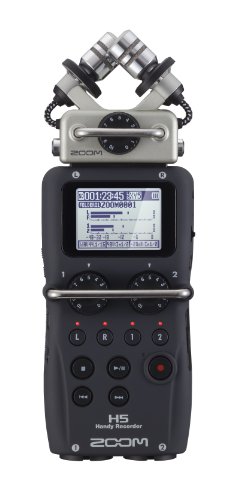
- Interchangeable input capsules
- Four-track simultaneous recording
- USB audio interface support
Best For: Expandable field, music, and podcast recording
Best All-Around Pick – Zoom PodTrak P4
The Zoom PodTrak P4 is a practical choice for podcast recorders with sound pads, especially when you need several microphones and headphones in a compact, battery-powered setup. It supports four XLR microphones, multitrack recording, remote interviews, and programmable sound pads.
Best For: Multi-person podcasts, remote interviews, and portable recording sessions.
Pros:
- Four XLR microphone inputs with phantom power
- Four headphone outputs with individual volume control
- Four programmable sound pads and multitrack recording
- Automatic mix-minus for phone and USB remote interviews
Cons:
- Battery life is rated at up to 3.5 hours on two AA batteries
- Its sound-pad count is lower than some larger podcast mixers
The P4 focuses on essential podcast production features without requiring a large desktop setup. Its combination of four mic inputs, headphone outputs, remote-interview support, and portability makes it a flexible starting point for group podcasts.
Most Versatile Field Option – Zoom H8 MS Pack
The Zoom H8 MS Pack is a versatile recorder for creators who want podcast, music, and field-recording capability in one system. Its touchscreen interface, interchangeable capsule compatibility, and support for up to 12 simultaneous tracks give it room to adapt to more involved sessions.
Best For: Creators who combine podcasting with music and field recording.
Pros:
- Suitable for podcasting, music, and field recording
- Includes XYH-6 and MSH-6 microphone capsules
- MS module supports detailed stereo capture
- Supports up to 12 simultaneous tracks
Cons:
- It is more specialized than a dedicated podcast mixer
- The supplied notes do not specify built-in sound-pad controls
The H8 MS Pack is a strong fit when recording flexibility matters more than a streamlined podcast-only workflow. However, buyers specifically prioritizing hands-on sound pads may prefer a recorder designed around trigger-pad operation.
Best for Live Sound Control – TASCAM Mixcast 4
The TASCAM Mixcast 4 is built for podcasters who want extensive sound-pad control alongside recording, mixing, and streaming functions. It combines four microphone inputs, four headphone outputs, touchscreen operation, 14-track recording, and customizable sound-pad banks.
Best For: Live podcasts, streaming, and productions that use frequent sound effects or music cues.
Pros:
- Eight banks of fully customizable, illuminated sound pads
- Four XLR/TRS microphone inputs and four headphone outputs
- Records up to 14 tracks directly to an SD card
- Includes Bluetooth, USB, and aux audio inputs with mix-minus support
Cons:
- Corded electric power limits portability
- The unit is relatively large and weighs 2550 g
- Its broad feature set may be more than a simple podcast setup needs
For podcast recorders with sound pads, the Mixcast 4 stands out for its quantity and customization options. It is particularly compelling for live production, where illuminated pads, multiple input sources, and touchscreen control can simplify on-air operation.
Best Expandable Recorder – Zoom H8
The Zoom H8 is a flexible recorder for podcasters who may expand from simple interviews to larger multi-source sessions. It offers four XLR inputs, two combo jacks, interchangeable capsules, touchscreen operation, and up to 12 channels of USB recording.
Best For: Podcasters and creators who need expandable inputs for varied recording workflows.
Pros:
- Captures up to 10 individual tracks plus a stereo mix
- Four XLR inputs and two combo jacks support varied sources
- Interchangeable capsules allow setup expansion
- Works as a USB audio interface with up to 12 channels
Cons:
- The supplied notes do not identify built-in sound pads
- Its broader recorder design may require more setup than a podcast mixer
The H8 is a capable choice when input flexibility and future expansion are priorities. It is less directly focused on sound-pad performance than the Mixcast 4 or PodTrak P4, so confirm that its recording workflow matches your need for triggered effects.
Flexible Starter Bundle – Podcast Microphone and Sound Pad Mixer Kit
This all-in-one option suits creators looking for podcast recorders with sound pads alongside microphones and a mixer. It includes two condenser microphones, a USB-C audio interface, four voice variations, and 10 sound effects for podcasting, streaming, and short-form content.
Best For: New podcasters and livestreamers who want microphones, voice effects, sound pads, and instrument inputs in one bundle.
Pros:
- Includes two condenser microphones with suspension arms.
- Offers four voice variations and 10 sound effects.
- Supports USB-C connections across computers, smartphones, tablets, and gaming platforms.
- Accepts electric guitar, bass, and electronic drum inputs.
Cons:
- The product notes do not specify the exact recording resolution or storage method.
- Battery charging is recommended before first use.
This bundle is a practical entry point if built-in vocal effects and broad device compatibility matter more than standalone recorder controls. It is especially appealing for creators who want to start with a ready-to-use setup.
Multitrack Powerhouse – Zoom LiveTrak L-8 Sound Pad Recorder
The Zoom LiveTrak L-8 is a strong choice among podcast recorders with sound pads for multi-person shows, bands, and mobile sessions. It records 12 tracks simultaneously at 24-bit/96kHz to an SD card and can record to an SD card and computer at the same time.
Best For: Podcasters, musicians, and live productions that need multiple inputs, separate headphone mixes, and high-resolution multitrack recording.
Pros:
- Provides eight channels and six preamps with up to +54dB of gain.
- Includes sound pads, a phone input, and USB audio interface functionality.
- Offers four headphone outputs with three independent monitor mixes.
- Records to an SD card and computer simultaneously.
Cons:
- Its larger channel count may be more than a simple one- or two-person podcast needs.
- The supplied details do not identify the number or type of built-in sound-pad effects.
Choose the L-8 when flexible routing and multitrack capture are priorities. Its multiple headphone outputs and monitor mixes also make it better suited to collaborative recording than compact two-input units.
Smart Podcast Control – Zoom PodTrak P4next with Sound Pads
The Zoom PodTrak P4next combines four XLR microphone inputs with sound pads, AI noise reduction, and phone connectivity. It is designed for podcast recording with up to four people plus a call-in guest, while its USB and phone features support direct audio capture for video.
Best For: Small podcast teams and mobile creators who want straightforward multitrack recording, individual headphone control, and automated audio assistance.
Pros:
- Four XLR inputs support up to four microphones and a call-in guest.
- AI noise reduction, Tone Enhancement, and COMP help simplify mixing.
- Four headphone outputs include separate volume controls.
- Connects to a phone for high-quality audio in video without syncing.
Cons:
- The product notes do not specify how many sound-pad sounds are included.
- Its four-input design may be limiting for larger productions.
The P4next is a focused option for podcasters who want dedicated inputs and monitoring without a complicated workflow. Its AI tools and direct-to-phone recording are particularly useful for creators producing polished audio and video on the go.
Best Compact XLR Pick – Zoom H1 XLR
The Zoom H1 XLR is a straightforward choice for anyone shopping for podcast recorders with sound pads who primarily needs clean, flexible microphone recording. Its two locking XLR/TRS inputs, 32-bit float recording, and waveform display make it practical for interviews, podcasts, and mobile setups, though it does not list built-in sound pads.
Best For: Podcasters, filmmakers, and musicians who need a compact recorder with professional inputs and clip-resistant recording.
Pros:
- Records in 32-bit float and up to 96kHz for detailed, clip-free audio.
- Two XLR/TRS combo inputs support microphones, instruments, and other sources.
- OLED waveform display helps monitor recording levels quickly.
- Supports SDXC cards up to 1TB and offers a 3.5mm stereo input and headphone output.
Cons:
- No sound pads are listed in the supplied specifications.
- Requires two AA batteries.
- Its screen is relatively small at 0.96 inches.
The H1 XLR is best viewed as a compact, high-quality input recorder rather than an all-in-one podcast mixer. Choose it when dependable XLR capture and portability matter more than onboard sound effects.
Best Sound-Pad Mixer – Zoom LiveTrak L-8 Bundle
Zoom LiveTrak L-8 Podcast Recorder and Mixer Bundle with Audio-Technica ATH-M20X Headphones
Check Price On AmazonThe Zoom LiveTrak L-8 is the strongest match here for shoppers specifically seeking podcast recorders with sound pads. It combines an eight-channel digital mixer, multitrack recording, mix-minus functionality, and six assignable sound pads with 13 preset sounds, plus the included ATH-M20X headphones.
Best For: Multi-person podcasts, live conversations, and creators who want programmable sound effects and monitoring in one bundle.
Pros:
- Six assignable sound pads include 13 preset sounds for creative flexibility.
- Records up to 12 tracks simultaneously and provides 10-track playback.
- Mix-minus helps prevent audio feedback during connected calls.
- Bundle includes Audio-Technica ATH-M20X headphones with 40mm drivers and circumaural isolation.
Cons:
- Its larger eight-channel mixer design is less compact than a handheld recorder.
- The supplied notes do not specify battery life or storage capacity.
For podcast production with guests, callers, and quick-access effects, the L-8 offers the most complete feature set of these three products. Its sound pads and routing tools make it the natural choice for a studio-style podcast workflow.
Best Expandable Handheld – Zoom H5
The Zoom H5 is a versatile handheld recorder for creators comparing podcast recorders with sound pads but who may prioritize expandable microphone options instead. It does not list built-in sound pads, yet its interchangeable capsule system, four-track recording, and two XLR/TRS inputs provide a flexible foundation for podcast, music, and video work.
Best For: Filmmakers, musicians, and podcasters who want interchangeable microphones, multitrack recording, and USB interface functionality.
Pros:
- Interchangeable input capsules make it easy to adapt the recorder to different sources.
- Supports four-track simultaneous recording with two XLR/TRS mic/line inputs.
- Includes selectable phantom power, -20dB pads, and an audio safety net.
- Works as a multichannel or stereo USB audio interface for PC, Mac, and iPad.
Cons:
- No built-in sound pads are listed in the supplied notes.
- Records to SD/SDHC cards up to 32GB, limiting capacity compared with newer SDXC-focused models.
- Battery life is listed at about 10 hours.
The H5 is a strong alternative when input flexibility and capsule compatibility matter more than integrated effects. It suits portable recording and computer-based workflows, but sound-pad users will need separate equipment or software.
How We Picked These Podcast Recorders with Sound Pads
We focused on recorders and mixer-recorders that support podcast production while offering practical live-control features, expandable connectivity, or a clear path to triggering sound effects. The selection includes dedicated podcast units, handheld multitrack recorders, mixer-style systems, and bundles for buyers who need microphones or headphones included.
We also considered microphone inputs, headphone monitoring, computer and phone connectivity, portability, recording flexibility, ease of use, and whether each model suits solo creators, interviewers, livestreamers, or larger productions. Sound pads vary by product, so confirm the exact pad count, trigger behavior, storage method, and available effects before buying.
Quick Comparison
- Best for four-person podcasts: Zoom PodTrak P4 or PodTrak P4next.
- Best all-in-one touchscreen workflow: TASCAM Mixcast 4.
- Best for portable field recording: Zoom H1 XLR or Zoom H5.
- Best for expandable recording: Zoom H8.
- Best for live mixing and multiple sources: Zoom LiveTrak L-8.
- Best for starting on a budget: a complete podcast equipment bundle, provided its included interface and microphones meet your quality expectations.
Key Buying Factors for Podcast Recorders with Sound Pads
Inputs and Guest Capacity
Count the microphones, remote-call sources, instruments, and other devices you expect to connect at once. Four XLR inputs are a strong baseline for a conventional multi-host show, while mixer-style models may provide more routing flexibility.
Sound-Pad Controls and Effects
Look for dedicated, easy-to-reach pads if you plan to trigger intros, transitions, applause, advertisements, or voice effects during recording. Check whether sounds can be replaced, assigned to individual pads, looped, or faded, and whether the device saves settings between sessions.
Monitoring and Remote Recording
Multiple headphone outputs help each participant monitor clearly. For remote interviews, prioritize phone input, USB connectivity, mix-minus support, or compatible computer routing to reduce echo and simplify guest audio.
Portability, Storage, and Power
Handheld recorders are convenient for field work, while larger mixers offer more controls but take up more space. Confirm whether the unit records to a memory card, connects directly to a computer, runs on batteries, and supports the file formats and backup workflow you prefer.
Noise Control and Ease of Use
AI or built-in noise reduction can help in imperfect rooms, but microphone placement and acoustic treatment still matter. A touchscreen or dedicated controls may shorten setup time, whereas advanced routing can require a steeper learning curve.
Who Should Buy Which Podcast Recorders with Sound Pads?
Choose the PodTrak P4 or P4next if you want a compact, podcast-focused recorder for several hosts or guests. The P4next is the better fit when its newer processing and AI noise-reduction features match your priorities.
Choose the Mixcast 4 for a polished desktop studio with touchscreen control, sound pads, and editing-oriented features. Choose a LiveTrak L-8 if hands-on mixing, multiple source types, and live performance flexibility matter more than compact size.
Choose an H1 XLR, H5, or H8 when portability and general-purpose recording are important. The H8 is better for larger or more varied setups; the H1 XLR is simpler and more travel-friendly. Bundles make sense for beginners who need several essential accessories immediately, but compare the included component quality before treating the package as a long-term studio solution.