If you want clearer voice recordings without adding an audio interface, USB condenser microphones are the easiest place to start. They plug in fast, sound better than most built-in laptop mics, and suit everything from podcasting to streaming.
Below, we focus on 10 standout options that balance sound quality, features, and value for different types of creators and everyday users.
Best 10 USB Condenser Microphones Picks for 2026
Broadcast-Ready Multi-Pattern USB Mic
Blue Yeti Multi-Pattern USB Condenser Microphone

- Custom three-capsule array for clear broadcast-quality sound
- Four pickup patterns for vocals, instruments, and podcasts
- Blue VO!CE effects plus onboard gain, mute, and monitoring
Best For: Creators who need a flexible desktop mic for streaming and recording
High-Resolution Podcasting USB Mic
Audio-Technica AT2020USB-X Cardioid USB Microphone

- 24-bit/96 kHz conversion for clear, natural sound
- Cardioid pickup helps reduce background noise
- Built-in headphone jack and capacitive mute button
Best For: Podcasters and voiceover creators who want focused, clean capture
Classic Multi-Pattern Streaming USB Mic
Blue Yeti Midnight Blue Multi-Pattern USB Mic

- Custom three-capsule array with broadcast-quality sound
- Four pickup patterns for streaming, podcasting, and music
- Blue VO!CE software with onboard controls and monitoring
Best For: Streamers and creators who want an easy all-purpose desktop mic
Studio-Ready Starter Kit
MAONO A04 USB Microphone, 192kHz/24Bit Condenser Mic Kit

- 192kHz/24Bit chipset for detailed audio
- Includes arm, shock mount, pop filter, and windscreen
- Plug-and-play USB setup for PC and Mac
Best For: Podcasters and creators who want a full starter kit
Dual-Mode Desktop Capture
AKG Pro Audio Ara USB-C Condenser Microphone

- 24-bit/96kHz audio with dual-capsule design
- Two capture modes for different recording needs
- Zero-latency headphone monitoring with gain and mute controls
Best For: Desktop creators who want flexible pickup modes and monitoring
Simple USB-A Podcast Mic
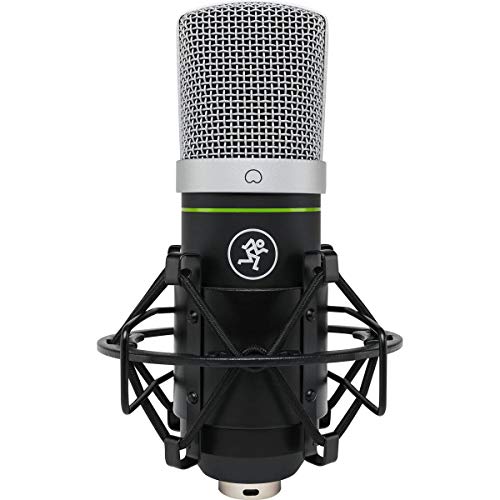
- USB-A connection with no interface required
- Cardioid pattern helps isolate your voice
- Onboard headphone out for zero-latency monitoring
Best For: Desktop podcasters who want a straightforward setup
Budget Podcast Starter
TONOR TC-777 USB Condenser Microphone

- Cardioid pickup reduces background noise.
- Includes shock mount and pop filter.
- Plug-and-play USB setup for easy use.
Best For: Beginners needing a simple podcast and chat mic
Compact Desktop Choice
Samson Meteor Mic USB Condenser

- Large 25mm diaphragm for desktop recording.
- Built-in headphone jack for zero-latency monitoring.
- USB plug-and-play for Mac or PC.
Best For: Portable desktop recording with easy monitoring
Easy-Mute Streaming Pick
LIANGSTAR K6 USB Desktop Microphone

- 360-degree omnidirectional voice capture.
- One-button mute for quick control.
- Plug-and-play with PC, Mac, PS4, and PS5.
Best For: Desktop streaming and calls with quick mute control
Broadcast-Ready Multi-Pattern USB Mic – Blue Yeti Multi-Pattern USB Condenser Microphone
If you want one of the most flexible usb condenser microphones for streaming, podcasting, and home recording, the Blue Yeti is built around a custom three-capsule array and four pickup patterns. It gives you a simple plug-and-play setup on Mac or PC, plus onboard controls that make it easier to manage gain, mute, pattern selection, and monitoring while you work.
Best For: Creators who want a versatile desktop mic for streaming, voice work, meetings, and recording.
Pros:
- Four pickup patterns: cardioid, omni, bidirectional, and stereo
- Blue VO!CE effects add broadcast-style vocal processing
- Onboard controls for headphone volume, mute, gain, and pattern selection
- Adjustable desktop stand and plug-and-play setup
Cons:
- Large desktop design may take more space than compact mics
- Focuses on versatility rather than a simple single-pattern setup
The Blue Yeti stands out if you need flexibility more than a basic one-button microphone. Its pattern options and real-time monitoring make it a practical all-around choice for creators who switch between speaking, recording, and streaming.
High-Resolution Podcasting USB Mic – Audio-Technica AT2020USB-X Cardioid USB Microphone
The Audio-Technica AT2020USB-X is a strong choice if you want usb condenser microphones with a more focused, cardioid design for voice capture. It includes a built-in headphone jack, a soft-touch mute button, and 24-bit/96 kHz conversion, making it a practical option for podcasting, voiceover, and home studio use.
Best For: Podcasters, voiceover users, and creators who want clean directional capture.
Pros:
- 24-bit/96 kHz AD conversion for clear, natural sound reproduction
- Directional cardioid pickup helps minimize background noise
- Built-in headphone jack for direct monitoring
- Capacitive mute button and LED status ring for easy control
Cons:
- Single-cardioid pattern is less flexible than multi-pattern mics
- More focused on voice capture than multi-source recording
This model is a good fit if you want straightforward recording with strong voice clarity and fewer distractions from room noise. It keeps the workflow simple while still offering monitoring and mute features that matter in day-to-day use.
Classic Multi-Pattern Streaming USB Mic – Blue Yeti Midnight Blue Multi-Pattern USB Mic
The Midnight Blue Blue Yeti is one of the most established usb condenser microphones for creators who want a flexible desktop mic with easy setup. Its custom three-capsule array, four pickup patterns, and Blue VO!CE software make it suitable for streaming, podcasting, music recording, and video calls from a PC or Mac.
Best For: Streamers and creators who want an all-purpose desktop microphone with flexible controls.
Pros:
- Four pickup patterns for different recording scenarios
- Blue VO!CE software adds vocal effects and HD audio samples
- Onboard controls for gain, mute, pattern selection, and headphone volume
- Plug-and-play setup with included desktop stand
Cons:
- Desktop footprint is larger than compact USB microphones
- Listed as USB Type-A, so setup depends on your available port type
If you want a proven all-rounder, this version of the Yeti covers a wide range of uses without complicated setup. Its controls and pattern options make it easy to adapt the mic to different rooms, voices, and recording styles.
Studio-Grade USB-C Condenser Mic – RØDE NT-USB+ Studio USB-C Condenser Microphone
The RØDE NT-USB+ is aimed at buyers who want usb condenser microphones with a studio-style sound and a streamlined desktop setup. It pairs a condenser capsule and low-noise preamp with USB-C connectivity, zero-latency monitoring, and APHEX processing through RØDE Central for recording, podcasting, and calls.
Best For: Users who want a studio-leaning USB-C mic for podcasts, music, and clear remote calls.
Pros:
- Studio-grade condenser capsule with ultra-low-noise, high-gain Revolution Preamp
- USB-C connectivity with 48 kHz / 24-bit audio
- Zero-latency monitoring with versatile headphone controls
- Detachable pop filter and desktop stand included
Cons:
- Single unidirectional pattern limits versatility compared with multi-pattern mics
- APHEX processing depends on RØDE Central software
This microphone is a strong fit if your priority is clean sound and a polished desktop recording setup. It offers the kind of monitoring and included accessories that make it easy to get started without building a full rig.
Studio-Ready Starter Kit – MAONO A04 USB Microphone, 192kHz/24Bit Condenser Mic Kit
If you’re comparing usb condenser microphones for podcasting, streaming, or voice-over work, the MAONO A04 stands out as an all-in-one beginner-friendly kit. It pairs a 192kHz/24Bit condenser mic with a shock mount, pop filter, foam windscreen, and adjustable scissor arm, so you can get set up quickly and focus on recording rather than buying accessories separately.
Best For: Podcasters, streamers, and home creators who want a complete USB microphone kit with plug-and-play convenience.
Pros:
- 192kHz/24Bit professional sound chipset for high-resolution recording.
- Includes pop filter, foam windscreen, shock mount, and boom arm.
- Plug-and-play USB connection with no extra driver software required.
- Compatible with PC, Mac, PS4/PS5, and select mobile devices.
Cons:
- Not compatible with Xbox.
- Desk clamp only fits desktops under 2.1 inches thick.
- Maono Link support is not included with this AU-A04 model.
Overall, the A04 is a practical choice if you want a bundled usb condenser microphone setup that covers the basics well. Its value is in the included accessories and simple connection, making it a strong entry point for voice recording and live use.
Dual-Mode Desktop Capture – AKG Pro Audio Ara USB-C Condenser Microphone
The AKG Ara is a strong pick if you want usb condenser microphones with flexible capture options and clean desktop convenience. Its dual-capsule design offers two audio capture modes, while the USB-C connection, zero-latency headphone monitoring, and onboard gain/mute controls make it easy to manage sessions for podcasting, video blogging, gaming, or streaming.
Best For: Creators who want a USB-C condenser microphone with two capture modes and real-time monitoring.
Pros:
- 24-bit/96kHz high-resolution audio for pro-grade recording.
- Two audio capture modes from a dual-capsule mic array.
- Headphone output with zero-latency monitoring and volume control.
- Compatible with Mac, PC, iOS, and Android devices.
Cons:
- Uses USB-C, so older setups may need the right cable or port.
- Best suited to desktop use rather than highly portable recording.
- More advanced than a basic plug-in mic for absolute beginners.
For buyers who want a polished desk mic with more control than a bare-bones model, the Ara brings useful flexibility. It balances easy setup with monitoring features that help you hear what you’re recording as you go.
Simple USB-A Podcast Mic – Mackie EM-Series EM-91CU
If you want usb condenser microphones that keep setup simple, the Mackie EM-91CU is built for straightforward podcasting and streaming. It uses a USB-A connection, needs no interface, and includes onboard headphone output for zero-latency monitoring, which makes it a practical choice for creators who want to start recording fast.
Best For: Podcasters and streamers who want a no-fuss USB-A microphone with direct monitoring.
Pros:
- USB-A connection works directly with computers without an interface.
- Cardioid pattern focuses on your voice and rejects room sound.
- Onboard headphone out supports zero-latency monitoring.
- Includes a desk stand and USB-A cable in the box.
Cons:
- USB-C-only phones and laptops need an adapter or cable sold separately.
- Comes with fewer accessories than some full microphone kits.
- Best suited to desktop use rather than mobile recording.
The EM-91CU is a sensible pick if you prefer a basic microphone that focuses on essentials. It gives you a clean path into recording and streaming without adding much setup complexity.
Budget Podcast Starter – TONOR TC-777 USB Condenser Microphone
If you want a straightforward USB condenser microphone for podcasting, chatting, or voice recording, the TONOR TC-777 is built around convenience. It uses a cardioid pickup pattern to focus on the voice in front of the mic while helping reduce background noise, and it comes with a compact desktop stand plus basic recording accessories.
Best For: Beginners who want an easy plug-and-play mic for podcasts, calls, and home recording.
Pros:
- Cardioid pickup helps isolate the voice and reduce unwanted background noise.
- Includes a shock mount and pop filter to help reduce vibration and plosives.
- Plug-and-play USB 2.0 setup with no extra drivers required.
- Compatible with Windows, Mac, PS4, PS5, Zoom, Skype, and Discord.
Cons:
- Not compatible with Xbox.
- Uses a basic desktop tripod rather than a heavier stand.
- Designed for simple recording use rather than advanced studio control.
The TC-777 makes sense if you want one of the more accessible usb condenser microphones for everyday use. It focuses on the essentials—clear voice capture, easy setup, and useful included accessories—without adding complexity.
Compact Desktop Choice – Samson Meteor Mic USB Condenser
Samson Meteor Mic USB Condenser Podcasting Podcast Recording Desktop Microphone
Check Price On AmazonThe Samson Meteor Mic is a USB condenser microphone aimed at users who want a compact desktop option with more of a studio-style feel. Its large 25mm diaphragm and 16-bit, 44.1/48 kHz resolution are meant for clean computer-based recording, and the built-in headphone jack supports direct monitoring while you work.
Best For: Creators who want a portable desktop mic for podcasting, recording, and monitoring without extra setup.
Pros:
- Large 25mm diaphragm for desktop recording applications.
- 16-bit, 44.1/48 kHz resolution for computer-based audio work.
- Built-in stereo 1/8-inch headphone jack for no-latency monitoring.
- USB connection works directly with Mac or PC with no drivers required.
Cons:
- Unidirectional design may be less flexible for multi-person capture.
- Depends on a computer USB input for normal use.
- Apple mobile use requires an optional adapter kit.
This is a practical pick if you value portability and direct monitoring in usb condenser microphones. It keeps the setup simple while offering the kind of monitoring and resolution that can make desktop recording easier to manage.
Easy-Mute Streaming Pick – LIANGSTAR K6 USB Desktop Microphone
The LIANGSTAR K6 is a USB condenser microphone built for users who want simple voice capture with a convenient mute button. It uses an omnidirectional pickup pattern and a smart chip for automatic noise reduction, and the flexible gooseneck design makes it easy to position for streaming, meetings, or casual recording.
Best For: Streamers, students, and home-office users who want an easy desktop mic with mute control.
Pros:
- Omnidirectional pickup captures voice from 360 degrees.
- Built-in noise reduction aims to improve clarity in noisy spaces.
- One-button mute adds quick control during calls or recordings.
- Plug-and-play compatibility with Windows, Mac, PS4, and PS5.
Cons:
- Omnidirectional pickup may capture more room sound than a cardioid mic.
- Best suited to desktop use rather than portable recording.
- Audio specs are modest compared with more studio-focused options.
If convenience matters more than isolation, the K6 fits well among usb condenser microphones for everyday desk use. Its mute button, flexible positioning, and broad compatibility make it a handy option for quick setup and simple voice work.
How We Picked These USB Condenser Microphones
We focused on models that are easy to set up, widely compatible, and practical for real-world use. That means looking at pickup pattern, monitoring options, included controls, build quality, and whether the microphone works well for speaking, content creation, or light music recording. We also considered whether a mic is a strong value at its price point, not just whether it has impressive specs on paper.
Quick Comparison
Some USB Condenser Microphones are built for simplicity and casual use, while others lean toward creator workflows with stronger monitoring features, gain control, or more polished voice tuning. In general, cardioid models are best for focused solo recording, while omnidirectional options can work better for group calls or shared spaces. If you want the most versatile choice, look for a mic with direct monitoring, mute controls, and easy placement on a desk arm or stand.
Key Buying Factors for USB Condenser Microphones
Pickup Pattern
Cardioid mics capture sound mainly from the front, which helps reduce room noise and keyboard bleed. Omnidirectional mics pick up sound from all directions, which can be useful for meetings or multi-person conversations but less ideal in noisy rooms.
Sound Quality and Control
For clearer speech, pay attention to the mic’s self-noise, sensitivity, and whether it offers gain control or onboard monitoring. These features make it easier to avoid clipping, harshness, or inconsistent levels.
Connectivity and Compatibility
Most USB Condenser Microphones work with Windows and macOS, but it’s worth checking whether the included cable is USB-A or USB-C and whether adapters are needed for your setup. If you plan to move between laptops, consoles, or tablets, compatibility matters as much as sound.
Desk Setup and Accessories
Included stands, shock mounts, pop filters, and mute buttons can save money and improve convenience. If you already use a boom arm or want more isolation from desk vibration, make sure the mic supports that setup.
Who Should Buy Which USB Condenser Microphones?
Choose a simple plug-and-play model if you mainly need dependable voice capture for meetings, classes, or basic recording. Creators who stream, podcast, or record regularly should prioritize better monitoring, cleaner off-axis rejection, and more onboard control. If you work in a shared space or want fewer distractions in the recording, a cardioid mic is usually the safest pick. For buyers who care most about convenience and value, the best choice is often the one that includes the right accessories and fits your desk setup without extra purchases.