Choosing a motorized camera stabilizer for professional video depends on how you shoot, not just what camera you own. Some creators need fluid handheld movement, while others need repeatable slider motion, panoramic rotation, or automated tracking.
This roundup focuses on the strengths that matter on set: stability, payload, control options, travel-friendliness, and the kind of movement each tool is built to deliver.
Best 10 Motorized Camera Stabilizer for Professional Video Picks for 2026
Motorized Slider for Smooth Motion

- 47.2-inch motorized slider for back-and-forth motion
- App control with manual, video, and time lapse modes
- Silent stepper motor with carbon fiber construction
Best For: Creators who need repeatable slider motion for video and time lapse
Smart Gimbal with AI Tracking

- Integrated AI tracking sensor with gesture control
- Quick vertical shooting setup for fast social content
- 1.3-inch touchscreen with Bluetooth or cable control
Best For: DSLR and mirrorless users who want tracking and vertical shooting
Long-Track Slider for Timelapse Video
- 48-inch carbon fiber motorized slider
- Automatic round-trip, time lapse, and panoramic modes
- Includes battery, charger, controller, and carry bag
Best For: Videographers who want longer slider movement for cinematic shots
Compact 3-Axis Gimbal for Travel
- Ultra-light 795g gimbal for easy carrying
- 2 kg tested payload for small camera setups
- Native vertical shooting with Bluetooth shutter control
Best For: Travel creators who want lightweight stabilization and vertical video
Carbon Fiber App Slider
GVM 48" Motorized Slider for Timelapse and Video

- App control from iOS or Android
- Supports tracking, panoramic, and timelapse modes
- Carbon-fiber rail with carry bag and leveling legs
Best For: Portable motion shots and timelapse work with app-based control
Multi-Axis Pro Slider
IFOOTAGE Shark Nano II 660 with Gimbal Sync

- 360° pan plus multi-axis slider motion
- Works with DJI RS gimbals via adapter
- AI face/object tracking through the app
Best For: Compact cinematic rigs that need synced slider and gimbal movement
Remote Pan Head Stabilizer
YT-1200 Motorized Rotating Tripod Head

- 328 ft wireless remote control distance
- 360° rotation with tilt and timelapse support
- Works with phones, mirrorless cameras, and GoPros
Best For: Lightweight rigs that need remote panoramic pan and tilt
Multi-Axis Motion Slider
IFOOTAGE Shark Slider Nano II 660

- Works with DJI RS2/RS3 Pro/RS4 Pro stabilizers
- Supports up to 15.4 lb horizontal payload
- App and touchscreen control with up to 8 keyframes
Best For: Multi-axis video creators using DJI-compatible rigs
Rotating Pan Head
PT5000 360° Auto Motorized Head

- 360° motorized rotation with remote control
- AB point switching for two preset angles
- Built-in battery lasts about 8 to 10 hours
Best For: Tripod shooters needing simple panoramic motion
AI Tracking Slider
IFOOTAGE Shark Slider Nano II-660

- 0.01 mm accuracy with 140 mm/s slide speed
- AI face and object tracking for follow shots
- Below-20 dB motor is ideal for quiet sets
Best For: Quiet precision motion and AI-tracked video
Motorized Slider for Smooth Motion – NEEWER 47.2" Carbon Fiber ER1
If you want a motorized camera stabilizer for professional video that adds controlled slider movement, the NEEWER ER1 is built for smooth back-and-forth shots, time-lapse work, and creative product videos. Its carbon fiber rail, app control, and silent stepper motor make it a practical option when you need repeatable motion without a lot of setup complexity.
Best For: Filmmakers and creators who want a motorized slider for video, time lapse, and controlled motion shots.
Pros:
- 47.2-inch carbon fiber slider with app control and 2.4G remote support.
- Silent motor and adjustable speed, interval, and exposure settings.
- Supports manual, video, time lapse, 45° tilt, and panorama-style shots.
- Lightweight build with 1/4-inch and 3/8-inch threaded mounting holes.
Cons:
- Remote control is noted as not included.
- Minor shake may occur during macro photography.
- Charger is not included with the battery setup.
The ER1 is a strong fit if your priority is smooth, programmable camera movement rather than handheld stabilization. It offers a lot of flexibility for solo operators, especially when consistent motion matters more than portability alone.
Smart Gimbal with AI Tracking – FeiyuTech SCORP 2
The FeiyuTech SCORP 2 is a motorized camera stabilizer for professional video when you need 3-axis smoothing plus intelligent subject tracking. With its integrated AI sensor, quick vertical shooting setup, and touchscreen controls, it is designed for creators who want a more dynamic, one-device stabilization workflow.
Best For: DSLR and mirrorless shooters who want AI tracking, vertical video, and gimbal stabilization in one package.
Pros:
- Integrated AI tracking sensor with gesture-based subject tracking.
- Quick vertical shooting setup with an upgraded L-shaped mounting system.
- 1.3-inch touchscreen and multifunction knob for direct control.
- Bluetooth or cable camera control plus app-based adjustment options.
Cons:
- 2.5 kg payload limit may be restrictive for heavier camera setups.
- Not water resistant.
- More advanced than a basic stabilizer, so setup may take longer for beginners.
This gimbal stands out when you want stabilization that can also track a subject automatically. It is especially useful for run-and-gun video, social content, and vertical shooting where speed and versatility matter.
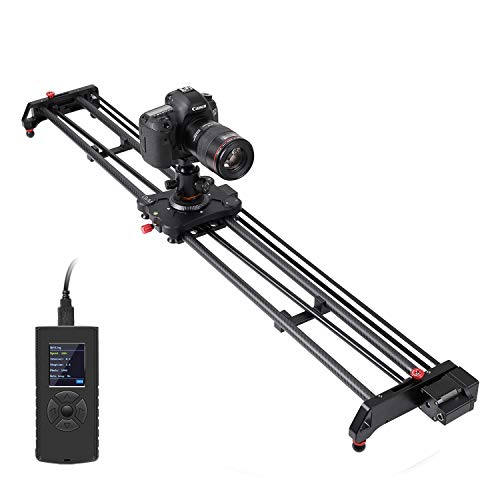
Long-Track Slider for Timelapse Video – GVM GP-120QD 48" Slider
If your workflow calls for a motorized camera stabilizer for professional video with long, controlled travel, the GVM GP-120QD is built around a 48-inch carbon fiber slider rail. It supports automatic round-trip motion, panoramic shooting, and time lapse, making it a strong tool for cinematic sliding shots and repeatable movement.
Best For: Videographers who need a longer motorized slider for time lapse, panoramas, and smooth tracking shots.
Pros:
- 48-inch carbon fiber slider with smooth and stable motion.
- Automatic round-trip, time lapse, panoramic, and tracking shooting modes.
- Manual and electric operation with adjustable speed, interval, and stop settings.
- Includes battery, charger, controller, cables, and carrying bag.
Cons:
- Weighs 11.8 pounds, so it is less portable than compact stabilizers.
- Maximum weight recommendation is 5 kg.
- Not water resistant.
The GP-120QD is a practical choice when slider length and motion control matter more than travel convenience. It is best suited to controlled shoots where you can take advantage of its automation and rail-based movement.
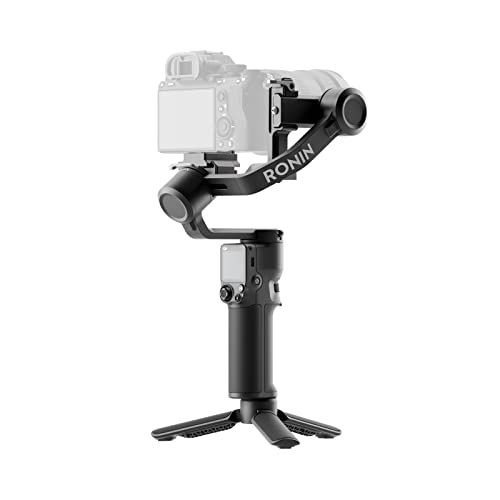
Compact 3-Axis Gimbal for Travel – DJI RS 3 Mini
The DJI RS 3 Mini is a motorized camera stabilizer for professional video if you want a compact 3-axis gimbal with strong payload support and native vertical shooting. Its lightweight body, Bluetooth shutter control, and full-color touchscreen make it a streamlined option for creators who shoot on the move.
Best For: Travel-focused creators and small camera setups that need lightweight 3-axis stabilization.
Pros:
- Very light at 795g, making it easy to carry for extended shoots.
- Up to 2 kg tested payload for a range of camera and lens combinations.
- Native vertical shooting for social content.
- Bluetooth shutter control and a 1.4-inch full-color touchscreen.
Cons:
- Payload limit is lower than larger pro gimbals.
- Requires DJI Ronin app setup for activation and full functionality.
- Not water resistant.
For compact rigs, the RS 3 Mini delivers the kind of stabilized movement that makes handheld video look polished without adding much bulk. It is a smart fit when portability, quick setup, and vertical shooting are top priorities.
Carbon Fiber App Slider – GVM 48" Motorized Slider for Timelapse and Video
If you want a motorized camera stabilizer for professional video that can also handle timelapse work, this GVM slider gives you a lot of shooting flexibility in one carbon-fiber rail. It supports tracking, panoramic shooting, video capture, and auto loop patterns, with app control from iOS or Android for easier remote operation.
Best For: Filmmakers who want a portable motorized slider with app control and multiple motion modes.
Pros:
- Supports multiple shooting modes, including tracking, panoramic, timelapse, and video capture.
- Carbon-fiber build and adjustable legs help improve stability and leveling on location.
- Includes multiple 1/4″ and 3/8″ screw ports for flexible mounting positions.
- Comes with shutter release cables and a carry bag for field use.
Cons:
- Best suited to cameras and setups within its 20-pound weight recommendation.
- Battery life is listed at about 2 hours, so longer shoots may need power planning.
- It is not water resistant.
Overall, this is a practical choice if you need a stable, app-controlled slider that can move between professional video shots and motion-controlled timelapse sequences without adding a lot of setup complexity.
Multi-Axis Pro Slider – IFOOTAGE Shark Nano II 660 with Gimbal Sync
This motorized camera stabilizer for professional video is built for creators who want slider movement plus synchronized pan control in one system. The Nano II 660 pairs with compatible DJI RS gimbals through an adapter, offers 360° panoramic motion, and adds AI tracking for faces or objects through the app.
Best For: Video shooters who need multi-axis motion, gimbal integration, and smart tracking in a compact rig.
Pros:
- Multi-axis motion with 360° pan and slider travel for more cinematic movement.
- Supports DJI RS 2/RS3 Pro/RS4/RS4 Pro gimbals via adapter for synchronized control.
- 15.4 lb payload and quiet brushless motor suit heavier professional setups.
- App and touchscreen control include waypoints, speed adjustments, and AI face/object tracking.
Cons:
- Gimbal integration requires a compatible DJI unit sold separately.
- The 17-inch travel range is relatively short compared with longer sliders.
- Power features may require specific USB-C PD 60W support for full integration.
For filmmakers who value automation and compact versatility, this slider stands out because it combines stabilization, panoramic movement, and smart follow features in a single motion platform.
Remote Pan Head Stabilizer – YT-1200 Motorized Rotating Tripod Head
If you need a simpler motorized camera stabilizer for professional video and time-lapse work, this rotating tripod head focuses on remote pan/tilt movement rather than slider travel. It offers 360° unlimited rotation, up to 100 meters of wireless remote control distance, and compatibility with lightweight cameras, phones, and GoPros.
Best For: Lightweight camera and smartphone users who want remote-controlled panoramic motion.
Pros:
- Wireless remote control works up to 328 ft for convenient off-camera operation.
- 360° unlimited rotation with up/down tilt makes it useful for panoramic shots.
- Supports timelapse photography with user-set parameters.
- Wide device compatibility includes smartphones, mirrorless cameras, and GoPros.
Cons:
- Maximum load is 1000g, so it is not for heavier camera builds.
- Shutter cable is not included and is needed for some camera control use.
- It is a pan/tilt head rather than a full motorized slider.
This is a good fit if you want remote movement and timelapse features without moving to a larger slider setup, especially for lighter rigs and tabletop or compact shooting scenarios.
Multi-Axis Motion Slider – IFOOTAGE Shark Slider Nano II 660
If you need a motorized camera stabilizer for professional video, the IFOOTAGE Shark Slider Nano II 660 is built for controlled sliding shots with added support for DJI RS2, RS2 Pro, RS3 Pro, RS4, and RS4 Pro setups. Its motorized rail, app/touchscreen control, and multi-axis compatibility make it a strong fit for productions that want smooth movement, tracking, and repeatable keyframed motion.
Best For: Shooters who want a motorized slider that can integrate with DJI stabilizers for advanced multi-axis control.
Pros:
- Compatible with DJI RS2/RS2 Pro/RS3 Pro/RS4/RS4 Pro for pan, roll, and tilt control.
- Supports up to 15.4 lb horizontal load for heavier camera and gimbal setups.
- Offers target tracking, facial recognition, and up to 8 keyframes through the IPS touchscreen and app.
- Includes multiple shooting modes such as video, timelapse, panorama, stop motion, and macro.
Cons:
- Requires wired pairing for the DJI multi-axis workflow described in the notes.
- At 3.2 kg, it is not a lightweight travel accessory.
- Not water resistant.
Overall, this is a feature-rich option for creators who value precision, automation, and compatibility with DJI stabilization workflows. The reinforced carbon fiber and aluminum alloy build also adds confidence when working with heavier rigs.
Rotating Pan Head – PT5000 360° Auto Motorized Head
The PT5000 is a practical motorized camera stabilizer for professional video when you mainly need smooth panoramic rotation and repeatable angle changes. With 360° automatic rotation, remote control, and a universal shaft, it suits tripod-based shooting where you want dependable camera movement without a full slider system.
Best For: Tripod users who need a motorized rotating head for panoramic shots and simple two-angle switching.
Pros:
- Provides 360° horizontal rotation with remote control.
- Lets you set two shooting angles and switch between them with one click.
- Supports up to 5 kg / 11 lb, including telephoto lens combinations.
- Built-in rechargeable battery runs about 8 to 10 hours on a charge.
Cons:
- Custom shooting modes are limited to 2 modes.
- Stabilization type is not clearly specified in the supplied details.
- Not water resistant.
If your workflow centers on controlled panning, angle presets, and long battery life, this head is a straightforward option. It is less versatile than a full motorized slider, but it covers the basics well for tripod-mounted video work.
AI Tracking Slider – IFOOTAGE Shark Slider Nano II-660
For buyers looking for a motorized camera stabilizer for professional video, the IFOOTAGE Shark Slider Nano II-660 focuses on precise sliding motion, AI tracking, and quiet operation. It combines app and IPS touchscreen control with DJI RS compatibility, making it a strong choice for solo creators, interviews, and cinematic shots that need repeatable movement.
Best For: Creators who want a quiet, app-controlled motorized slider with AI face and object tracking.
Pros:
- Delivers 0.01 mm positioning accuracy and 140 mm/s slide speed.
- AI face and object tracking can automate follow shots.
- Works with DJI RS stabilizers for full 5-axis intelligent tracking.
- Quiet operation below 20 dB is suitable for sound-sensitive shoots.
Cons:
- Payload is limited to 7.7 lb, which may not suit heavier rigs.
- Not water resistant.
- Best advanced tracking features depend on pairing with compatible DJI stabilizers.
This model stands out for precision and automation, especially if you want polished motion without a dedicated camera crew. Its compact design and feature set make it a strong production tool for video, timelapse, and product work.
How We Picked the Best Motorized Camera Stabilizer for Professional Video
We prioritized stabilization quality, motion precision, payload support, control features, compatibility with popular mirrorless and DSLR rigs, and real-world usefulness for solo shooters and small teams. For a Motorized Camera Stabilizer for Professional Video, consistent movement and reliable controls matter more than flashy extras.
Quick Comparison
Use a gimbal if you need mobile, body-mounted stabilization. Choose a motorized slider for controlled linear motion, time-lapse, or parallax shots. Pick a motorized pan/tilt head when you want repeatable rotational moves, remote framing, or tabletop and tripod-based automation. If you need the most flexibility, look for app control, programmable routes, and payload headroom.
Key Buying Factors for Motorized Camera Stabilizer for Professional Video
Payload and Rig Weight
Always match the stabilizer to your fully built camera setup, including lens, mic, monitor, cage, and battery. A unit that barely meets your payload limit may perform poorly once accessories are added.
Motion Type
Slider, gimbal, and pan/tilt systems solve different problems. Sliders create cinematic lateral movement, gimbals handle walking shots and dynamic motion, and pan/tilt heads excel at precise automated framing and repeating moves.
Control and Repeatability
App control, remote operation, touchscreen interfaces, and programmable routes are especially useful for interviews, product videos, and time-lapse work. If you shoot multiple takes, repeatable movement is a major advantage.
Portability and Setup Time
For run-and-gun work, size and weight can matter as much as performance. Compact stabilizers are easier to deploy quickly, while longer sliders and heavier systems can deliver smoother motion in controlled environments.
Battery Life and Power Options
Long shoots benefit from swappable batteries or USB-powered operation. Check whether the system supports external power for extended time-lapse or event coverage.
Who Should Buy Which Motorized Camera Stabilizer for Professional Video?
Content creators and solo shooters will usually get the most from a compact gimbal. Studio teams and product videographers often benefit from a motorized slider for polished, repeatable movement. Interview, webinar, and conference setups may be better served by a motorized pan/tilt head with remote control. If you use both handheld and tripod-based workflows, a modular system or a slider compatible with gimbals can offer the best overall value.
For the best results, choose the tool that matches your typical shot list first, then compare payload, control, and portability second.