Choosing the right preamp can make a bigger difference than many home recordists expect. The best models add clean gain, improve clarity, and help dynamic, condenser, and ribbon mics perform at their best.
Below, we focus on practical options for different studio needs, from inline gain boosters to channel strips and audio interface bundles.
Best 10 Microphone Preamps for Home Studios Picks for 2026
Channel Strip Workhorse
dbx 286s Mic Preamp & Processor

- Built-in compression, de-essing, enhancement, and gating
- XLR mic input with 1/4" TRS line input and insert jack
- Rackmount 1U unit with level and status LEDs
Best For: Home studios that want an all-in-one vocal channel strip.
Tube Flavor Starter
ART Tube MP Single-Channel Preamp

- Single-channel tube microphone/instrument preamp
- Simple design for small studio setups
- Backed by a 2-year warranty
Best For: Users who want a basic tube preamp for home recording.
Inline Gain Booster
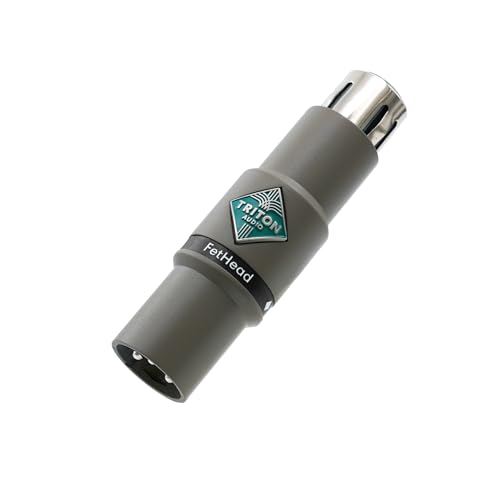
- Compact in-line microphone preamp design
- Low-noise Class-A JFET amplification
- Shielded enclosure with 4 matched JFETs
Best For: Dynamic microphone setups that need a small gain booster.
High-Gain Utility Pick

- Up to +75dB gain with -120dB EIN noise spec
- 48V phantom power supports dynamic and condenser mics
- Balanced XLR and 3.5mm outputs plus instrument input
Best For: Recorders needing high gain and flexible connectivity.
Complete Home Studio Bundle
Focusrite Scarlett 2i2 Studio 4th Gen

- 2 mic preamps and 2 Hi-Z inputs
- Auto Gain, Clip Safe, and Air mode
- Includes mic, headphones, and software
Best For: home recordists who want a full starter bundle
Low-Noise Inline Booster

- Up to 66 dB gain with updated 19~66 dB range
- Claims -120 dBV EIN ultra-low noise
- Type-C powered for portable use
Best For: compact low-noise gain boosting for home recording
Simple Dynamic Mic Booster

- Adds 28 dB gain for dynamic mics
- Tiny, lightweight inline design
- Good for basic home studio boosting
Best For: dynamic mic users who need a simple inline boost
Ultra-Clean 20dB Boost
Low-Noise Mic Preamp for Home Studios

- 20dB balanced gain for clean amplification
- 48V support for dynamic and condenser mics
- Compact metal case helps cut interference
Best For: Home studio users who want transparent gain in a compact preamp
Dual-Format Utility
48V Mic Amplifier With Flexible I/O

- 3.5mm, 6.35mm, and XLR support
- 5V/48V compatibility for flexible setups
- 20dB gain with low-noise balanced circuit
Best For: Buyers who want multiple connection options in a compact preamp
Rechargeable Dual-Input Pick

- Rechargeable design improves portability
- Two inputs add connection flexibility
- 20dB gain with low-noise balanced circuit
Best For: Creators who want a portable preamp with dual inputs
Channel Strip Workhorse – dbx 286s Mic Preamp & Processor
If you want one of the more flexible microphone preamps for home studios, the dbx 286s goes well beyond basic gain. It combines a mic preamp with compression, de-essing, enhancement, and gating, making it useful for tightening vocal tracks and shaping sources before they hit your interface.
Best For: Home studio users who want a rackmount mic preamp with built-in vocal processing and mixdown flexibility.
Pros:
- Includes compression, de-esser, enhancer, and expander/gate in one unit
- Floating balanced XLR mic input plus 1/4" TRS line input for extra routing options
- Insert jack lets you loop out to additional processors
- Status LEDs help you monitor signal and processor activity at a glance
Cons:
- Single-channel design only
- Rackmount 1U format may be less convenient than a desktop unit
- Built for AC power, so it is not a portable grab-and-go option
The dbx 286s is a practical choice if you want more than a clean preamp and prefer to shape vocals at the source. Its built-in processing makes it especially appealing for home studios that need a focused channel strip instead of multiple separate boxes.
Tube Flavor Starter – ART Tube MP Single-Channel Preamp
The ART Tube MP is a straightforward option for home studios that want a simple tube mic preamp without a lot of extra controls. As a single-channel microphone and instrument preamplifier, it fits well when you need one compact front-end box for vocals or direct input duties.
Best For: Recording setups that want an affordable, single-channel tube preamp for mics or instruments.
Pros:
- Single-channel tube microphone and instrument preamplifier
- Compact, simple design that is easy to integrate into a small studio
- Stainless steel build with a 2-year warranty
Cons:
- No built-in processing features listed
- Single-channel only
- Limited feature set compared with channel-strip style preamps
If your priority is adding a tube preamp stage rather than a full processor chain, the Tube MP keeps things simple. It is best viewed as a basic tone-shaping tool for home recording rather than a feature-heavy control center.
Inline Gain Booster – Triton Audio FetHead Preamp
For home studios using dynamic microphones, the Triton Audio FetHead is a compact in-line microphone preamp designed to add clean gain right where you need it. Its low-noise Class-A JFET amplification and shielded enclosure make it a focused solution when your mic needs extra level before the interface.
Best For: Dynamic mic users who want a small in-line preamp for cleaner gain staging.
Pros:
- In-line design keeps the setup compact
- Low-noise Class-A JFET amplifier topology
- Shielded enclosure for better isolation
- Uses 4 matched JFETs for the amplification stage
Cons:
- Feature set is focused on gain only
- No onboard controls or processing sections listed
- Best suited to mic boosting rather than full studio routing
The FetHead makes sense when you do not need a full preamp box and simply want a cleaner boost for a microphone signal. For compact home studio rigs, its small footprint is the main advantage.
High-Gain Utility Pick – MIC-1 Clean Mic Preamp
This MIC-1 preamp is aimed at home studios that need a lot of clean gain from a compact box. With up to +75dB of gain, 48V phantom power, and balanced XLR output, it is a practical choice for dynamic and condenser microphones that need a stronger front end.
Best For: Home studio users who need high gain, phantom power, and flexible outputs in one preamp.
Pros:
- Up to +75dB clean gain with -120dB EIN noise performance
- Supports dynamic and condenser microphones with 48V phantom power
- Balanced XLR plus 3.5mm mic and line outputs for different setups
- Includes a 1MΩ high-impedance instrument input
Cons:
- Two input ports cannot be used at the same time
- More output options may be unnecessary for very simple setups
- Less specialized than a dedicated channel-strip processor
As microphone preamps for home studios go, the MIC-1 is built for versatility and strong clean gain rather than coloration. It is a good fit if you want one compact unit that can handle multiple microphone types and basic instrument input duties.
Complete Home Studio Bundle – Focusrite Scarlett 2i2 Studio 4th Gen
If you want microphone preamps for home studios with an all-in-one setup, the Focusrite Scarlett 2i2 Studio 4th Gen is built to make recording simple. It combines two mic preamps, Auto Gain, Clip Safe, and Air mode with a condenser mic, headphones, and software so you can start tracking vocals or instruments right away.
Best For: Beginners and home-recording musicians who want a ready-to-go interface bundle with reliable mic preamps and included accessories.
Pros:
- Includes 2 mic preamps plus 2 Hi-Z inputs for mics and instruments
- Auto Gain and Clip Safe help set levels and prevent clipping
- Air mode adds presence and harmonic drive to vocals and guitars
- Comes with CM25 MkIII mic, SH-450 headphones, and recording software
Cons:
- Only 2 channels, so it is not aimed at larger tracking sessions
- Bundle focus may be more than some buyers need if they already own a mic and headphones
For a home studio setup, this is a practical choice if you want good-sounding mic preamps and fewer extra purchases. The main appeal is that it packages the essentials around the interface, making it easier to start recording quickly.
Low-Noise Inline Booster – RO03 Mic Preamp
For microphone preamps for home studios on a tighter budget, the RO03 is an inline-style preamp aimed at adding clean gain where your setup needs it. The updated design focuses on low noise, with up to 66 dB of gain and Type-C power for more portable recording and streaming use.
Best For: Home studio users, streamers, and recordists who need a compact low-noise gain booster for dynamic, condenser, or ribbon mics.
Pros:
- Up to 66 dB gain with an updated 19~66 dB usable range
- Claims ultra-low noise performance with -120 dBV EIN
- Supports dynamic, condenser, ribbon microphones, and instruments
- Type-C power input makes it easier to use in portable setups
Cons:
- Two input ports cannot be used at the same time
- Best results depend on using the recommended TRS line input connection
- Single-channel design limits flexibility for bigger sessions
The RO03 makes sense when you want extra gain without paying for a larger interface. Its strongest selling point is the revised low-noise design, though it is still best viewed as a utility preamp rather than a full recording hub.
Simple Dynamic Mic Booster – In-Line 28 dB Preamp
If you are shopping for microphone preamps for home studios and only need a straightforward boost, this in-line preamp keeps things simple. It adds 28 dB of gain for dynamic microphones in a tiny, lightweight package that fits easily into an existing setup.
Best For: Dynamic mic users who need an uncomplicated inline gain booster for a home studio or basic recording chain.
Pros:
- Adds 28 dB gain for dynamic microphone use
- Extremely small and lightweight design
- Easy to place inline without adding much bulk
Cons:
- Only the supplied gain amount is listed, with no extra features noted
- Designed specifically for dynamic microphones
This is the most basic option in the group, so it fits best when you only need a simple signal boost. If your home studio setup is already complete, this kind of inline preamp can be a practical add-on for a dynamic mic that needs more level.
Ultra-Clean 20dB Boost – Low-Noise Mic Preamp for Home Studios
If you’re shopping for microphone preamps for home studios, this model is built around simple, clean signal boosting. It offers 20dB of gain, a fully balanced circuit, and 48V power support for both dynamic and condenser microphones, making it a practical pick for recording, podcasting, and live streaming.
Best For: Home studio users who want a compact preamp with transparent gain and broad mic compatibility.
Pros:
- 20dB balanced gain for clean, transparent amplification
- 48V power supports both dynamic and condenser microphones
- Fully balanced design aims for ultra-low noise and minimal coloration
- Compact, lightweight black metal case helps reduce interference
Cons:
- Designed as a simple booster, so it may not suit users needing advanced controls
- Single-purpose design may be less flexible than larger studio units
This is a straightforward option if your priority is quiet gain in a small setup. It keeps the feature set focused on compatibility, low noise, and portability rather than extra bells and whistles.
Dual-Format Utility – 48V Mic Amplifier With Flexible I/O
For buyers comparing microphone preamps for home studios, this unit stands out for its interface flexibility. It supports 3.5mm, 6.35mm, and XLR connections, includes sound and USB power cables, and offers 5V/48V support, which makes it useful for a range of recording and streaming setups.
Best For: Users who need a compact preamp with multiple connection options and simple mic boosting.
Pros:
- Supports 3.5mm, 6.35mm, and XLR interfaces
- 5V/48V support adds flexibility for different setups
- 20dB balanced gain for low-noise, clean amplification
- Sturdy black metal case is designed to reduce interference
Cons:
- 48V active condenser use is noted at 3–5 hours, which may limit longer sessions
- Compact design suggests a basic feature set rather than deep control options
This is a practical choice when you want one preamp that can connect in more than one way. Its strength is versatility, but it remains focused on lightweight, low-noise microphone boosting.
Rechargeable Dual-Input Pick – Compact High-Gain Mic Booster
If you want microphone preamps for home studios with a little more convenience, this rechargeable mic booster is worth a look. It combines 20dB gain, low-noise balanced amplification, 48V power, and two inputs, so it’s aimed at users who want a compact and portable way to boost dynamic or condenser microphones.
Best For: Home studio creators who want a rechargeable, low-noise preamp with dual inputs.
Pros:
- Rechargeable design adds portability for mobile or small studio use
- Two input design offers more connection flexibility
- 20dB balanced gain delivers clean, transparent boosting
- 48V power supports both dynamic and condenser microphones
Cons:
- Feature set is still focused on basic preamp function rather than advanced processing
- Best suited to users who need boosting, not full studio control
This model is appealing if convenience matters as much as sound quality. The rechargeable build and dual inputs make it especially practical for compact recording setups that need to stay portable.
How We Picked These Microphone Preamps for Home Studios
We focused on Microphone Preamps for Home Studios that offer useful gain, low-noise performance, and broad mic compatibility. We also prioritized straightforward controls, phantom power where needed, and form factors that make sense for small recording spaces.
Because home setups vary, this roundup includes inline boosters, standalone preamps, and interface-based solutions. That gives you options whether you need more level for a quiet dynamic mic or a fuller front end for vocals and instruments.
Quick Comparison
Inline preamps are best when your current interface has weak gain and you want a simple signal boost. Standalone preamps and channel strips suit users who want more shaping tools and physical controls. Audio interface bundles are ideal if you need an all-in-one recording upgrade rather than just a gain stage.
Key Buying Factors for Microphone Preamps for Home Studios
Gain and Noise Floor
Look for enough clean gain to support your microphone without pushing the noise floor too high. Dynamic and ribbon microphones often need more gain than condenser mics, especially for spoken word or soft vocals.
Phantom Power and Mic Compatibility
Check whether the preamp supports 48V phantom power if you use condenser microphones. If you record ribbons, confirm that the design is safe and appropriate for that mic type.
Form Factor and Workflow
Inline boosters are compact and easy to install, while rack or desktop units offer more control. Choose the style that fits your desk space, cable routing, and recording routine.
Extra Processing
Some users benefit from built-in compression, gating, de-essing, or enhancement features. These can be useful for streamlining voice recording, but they are not necessary if you prefer to process everything later in your DAW.
Inputs, Outputs, and Power
Make sure the unit matches your connection needs, whether you want XLR in and out, an instrument input, or USB-C support through an interface bundle. Rechargeable or externally powered options can also affect portability and convenience.
Who Should Buy Which Microphone Preamps for Home Studios?
If you mainly record vocals with a low-output dynamic mic, an inline booster is often the simplest fix. If you want more control over tone and dynamics, a channel strip or standalone preamp is the better fit. If you need a full recording upgrade, an interface bundle may deliver the most value.
For most buyers, the best choice comes down to two questions: how much gain you need, and how much control you want in the recording chain. Start there, and it becomes much easier to narrow down the right mic preamp for your home studio.