If your podcast mic sounds too quiet, thin, or noisy, the right preamp can make a bigger difference than you expect. A good microphone preamp for podcasting adds clean gain without making your voice harsher.
In this roundup, we focus on reliable options that suit dynamic, condenser, and ribbon mics, from compact inline boosters to higher-gain preamps for more demanding setups.
Best 10 Microphone Preamp for Podcasting Picks for 2026
Podcast Mic Clarity Booster
Cloudlifter CL-1 Mic Activator

- Adds up to +25dB clean gain
- Uses phantom power without passing it to the mic
- Built for podcasts, streaming, and studio vocals
Best For: Low-output passive mics that need cleaner level before the interface
Streaming Mixer with Built-In Preamp

- Built-in pro preamp with 48V phantom power
- One-click noise reduction and direct monitor
- Extra streaming features like Bluetooth, loopback, and mute
Best For: Podcasters who also stream or game and want an all-in-one mixer
Compact In-Line Gain Booster
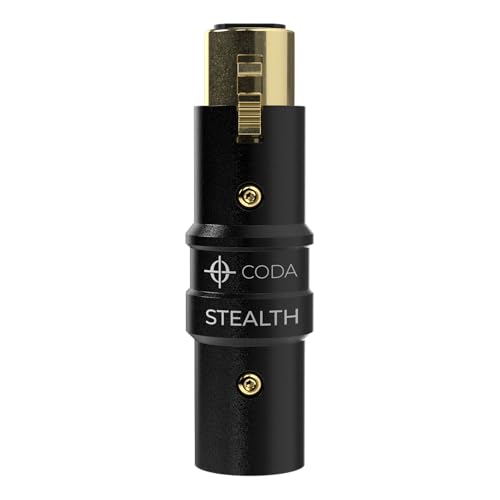
- Adds 28dB of ultra-clean gain
- Low-noise design with -70dB rating
- Compact inline build for dynamic and ribbon mics
Best For: Minimal podcast setups using low-output dynamic or ribbon mics
High-Gain Dynamic Mic Booster

- Provides +29dB clean gain
- Built for dynamic and ribbon microphones
- Metal shell adds durability and interference shielding
Best For: Quiet dynamic mics that need more clean gain for podcasting
Dynamic Mic Gain Booster
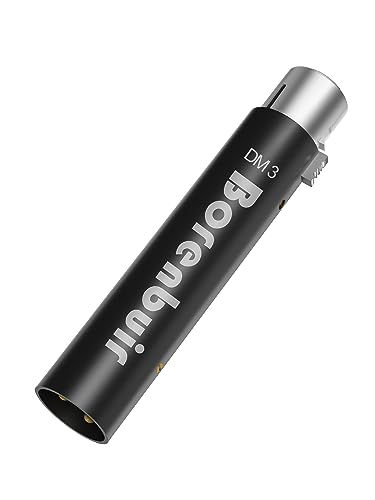
- Adds 28 dB of clean gain.
- Works with dynamic and ribbon mics.
- Needs 48V phantom power from your gear.
Best For: Podcasting with low-output dynamic or ribbon microphones
StudioMan Choice

- Delivers +25 dB clean gain.
- Balanced XLR input/output with phantom power support.
- Compact metal build with EMI/RFI shielding.
Best For: Podcasters and streamers wanting a compact XLR boost
Balanced All-Rounder

- Works with dynamic and condenser mics.
- Gives 20 dB clean, transparent gain.
- Compact metal case with low-noise balanced design.
Best For: Versatile podcasting setups with mixed microphone types
Inline Gain Booster
Bolanle NK1 28dB XLR Mic Preamp

- 28dB Class A gain for low-output dynamic mics
- Works with 48V phantom power
- Metal alloy case helps block interference
Best For: Podcasters using SM7B-style dynamic microphones
Low-Noise Desktop Preamp
Rodyweil RO03 66dB Ultra Low Noise

- 66dB gain with -120dB EIN noise spec
- XLR, TRS, and TS outputs for flexible routing
- Type-C power input suits portable setups
Best For: Podcasting setups that need flexible outputs and very low noise
Multi-Output Studio Preamp

- Up to 75dB gain with -120dB EIN
- Balanced XLR plus 3.5mm Mic/Line Out
- 48V phantom power for dynamic and condenser mics
Best For: Podcasters needing high gain and multiple output formats
Podcast Mic Clarity Booster – Cloudlifter CL-1 Mic Activator
If you need a microphone preamp for podcasting that simply makes a quiet mic easier to drive, the Cloudlifter CL-1 is built for that job. It uses phantom power to add up to +25dB of clean gain to passive dynamic and ribbon mics, while keeping phantom power off the mic itself. That makes it a practical in-line gain boost for creators who want more level without adding clutter or obvious coloration.
Best For: Podcasters, streamers, and voiceover creators using low-output passive microphones who want cleaner gain before their interface.
Pros:
- Up to +25dB ultra-clean gain for passive mics
- Helps reduce noise while improving clarity and signal strength
- Works well for podcasts, live streaming, radio broadcasts, and studio recording
- Compatible with tube, battery, or power-supply-driven microphones
Cons:
- Requires phantom power from the interface or preamp
- Designed for passive mics, not a universal solution for all mic types
For simple, dependable gain staging, the Cloudlifter CL-1 stays focused on one task: making weak microphone signals easier to record cleanly. If your podcast mic sounds good but just needs more level, this is an easy upgrade path.
Streaming Mixer with Built-In Preamp – MAONO G1 Neo Audio Mixer
For creators shopping for a microphone preamp for podcasting that also handles streaming features, the MAONO G1 Neo is a compact all-in-one option. It includes a built-in pro preamp, 48V phantom power for XLR condensers, and one-click noise reduction, so you can shape voice level and simplify your setup in one unit. The added Bluetooth input, mute button, loopback, and direct monitoring make it more than just a gain box.
Best For: Streamers and podcasters who want an XLR mixer with preamp controls, noise reduction, and extra content-creation features.
Pros:
- Built-in pro preamp with 48V phantom power support
- One-click noise reduction for clearer voice pickup
- Useful streaming tools like loopback, direct monitoring, mute, and Bluetooth input
- Works with phones, computers, tablets, PS4, and PS5
Cons:
- Not compatible with USB microphones or Xbox
- Requires the included 5V power adapter for best long-session performance
The G1 Neo makes sense if you want one device that can manage mic gain and also support live show workflow. It is especially appealing when your podcast setup doubles as a streaming or gaming rig.
Compact In-Line Gain Booster – Coda MB-Stealth Preamp
The Coda MB-Stealth is a focused microphone preamp for podcasting when your dynamic or ribbon mic needs more level from an interface with phantom power. It delivers 28dB of ultra-clean gain and is designed to keep the signal quiet with a -70dB noise rating. Because it sits inline and keeps a low-profile matte black look, it is easy to add to a simple XLR setup.
Best For: Dynamic and ribbon mic users who want a compact, low-noise gain booster for podcasting or livestreaming.
Pros:
- 28dB of ultra-clean gain for dynamic and ribbon microphones
- -70dB noise rating helps reduce hiss and hum
- Compact inline design with matte black finish
- Uses 48V phantom power from the interface
Cons:
- Does not work with condenser microphones
- Needs phantom power to operate
If your mic is quiet but otherwise sounds right, the MB-Stealth is a straightforward way to add headroom without changing your whole recording chain. It is a practical pick for minimal podcast rigs that need cleaner gain.
High-Gain Dynamic Mic Booster – StudioMan DPM1 XLR Preamp
The StudioMan DPM1 is another microphone preamp for podcasting aimed at low-output dynamic and ribbon microphones that need a clean lift. It provides +29dB of gain, uses 48V phantom power to operate, and keeps the phantom power from passing through to the mic. The metal body and plug-and-play XLR format make it a simple inline add-on for studio or stage use.
Best For: Podcasters and streamers using quiet dynamic mics like the SM7B or SM58 who want extra clean gain.
Pros:
- Delivers +29dB clean, transparent gain
- Designed for dynamic and ribbon microphones
- Metal build helps with durability and interference shielding
- Compact plug-and-play XLR format
Cons:
- Not for condenser microphones
- Requires 48V phantom power to operate
- Phantom power is not included
For creators who want a simple inline boost without replacing their interface, the DPM1 is built around the essentials. Its combination of gain, shielding, and easy setup makes it a solid choice for cleaner spoken-word recording.
Dynamic Mic Gain Booster – Brass Shield Ultra-Clean Gain
If you need a microphone preamp for podcasting that gives a quiet dynamic or ribbon mic more usable level, this compact in-line booster is built for that job. It adds clean gain through 48V phantom power supplied by your interface or mixer, while keeping the signal path simple with standard XLR connections.
Best For: Podcast hosts using dynamic or ribbon microphones who need extra clean gain from an interface or mixer with phantom power.
Pros:
- Adds 28 dB of clean gain for dynamic and ribbon microphones.
- Uses a simple plug-and-play XLR setup.
- Rugged copper case for a compact, durable build.
- Suited to podcasts, live broadcasts, radio, field recordings, and studio work.
Cons:
- Requires phantom power from your interface, mixer, or external 48V supply.
- Does not work with condenser microphones.
- Only intended for dynamic and ribbon mics.
For podcasters who already have phantom power available, this is a straightforward way to lift a low-output mic without adding complexity. It is not the most versatile option, but it is purpose-built for clean gain on compatible microphones.
StudioMan Choice – CL-100 Low-Noise XLR Preamp
This microphone preamp for podcasting is aimed at users who want a compact, low-noise boost for dynamic microphones and passive ribbon mics. With 25 dB of clean gain, XLR input/output, and 48V phantom power compatibility, it fits neatly into a simple home or mobile recording chain.
Best For: Podcasters and streamers who want a compact, durable XLR preamp with clean gain and broad studio use.
Pros:
- Provides +25 dB of clean gain for dynamic and passive ribbon mics.
- Dual balanced XLR I/O supports easy integration with interfaces and mixers.
- Compact metal chassis with EMI/RFI shielding and portable sizing.
- Wide 10Hz–20kHz response and high headroom recording support.
Cons:
- Designed specifically for dynamic microphones and passive ribbon mics.
- Requires 48V phantom power support in the signal chain.
- Not positioned as a universal mic preamp for every microphone type.
The CL-100 is a practical pick if you want a clean, desk-friendly gain stage without extra fuss. Its balanced connections and low-noise design make it a solid fit for podcasting setups that need dependable signal boost.
Balanced All-Rounder – 48V Power Mic Preamp
If you want a microphone preamp for podcasting that works with both dynamic and condenser microphones, this model is the most flexible option in the group. It offers 20 dB of clean, transparent gain, balanced circuitry, and built-in 48V power in a compact metal case.
Best For: Creators who need a versatile preamp for both dynamic and condenser microphones in home or pro podcasting setups.
Pros:
- Compatible with both dynamic and condenser microphones.
- Provides 20 dB of clean, transparent gain.
- Fully balanced circuit design helps keep noise low.
- Compact, lightweight metal case suits portable or studio use.
Cons:
- Offers less gain than the other two options here.
- Feature set is simpler and less specialized than the more pro-focused models.
- No detailed interface or connector extras beyond XLR output are listed.
For buyers who need one preamp that can handle different mic types, this is the broadest match. It is a straightforward, low-noise option for podcasting and live streaming when versatility matters more than maximum gain.
Inline Gain Booster – Bolanle NK1 28dB XLR Mic Preamp
If you need a microphone preamp for podcasting to bring a low-output dynamic mic up to a usable level, this in-line XLR booster keeps the setup simple. The Bolanle NK1 adds 28dB of Class A gain, supports 48V phantom power, and is aimed at clean signal boost with minimal interference.
Best For: Podcasters using SM7B, SM58, or other dynamic mics who want a simple XLR gain boost.
Pros:
- 28dB Class A gain helps lift quiet dynamic microphones.
- Compatible with 48V phantom power for broader mic and setup support.
- Metal alloy shielding is designed to reduce electromagnetic noise.
- Gold-plated pure copper pins and ferrules support stable signal transmission.
Cons:
- It is an in-line booster, so it does not add extra output controls.
- Best suited to XLR setups rather than mixed-connection workflows.
For creators who want a straightforward way to increase microphone level without a more complex preamp box, this model focuses on compatibility and noise control. It is a practical fit when your main goal is cleaner gain for podcast recording.
Low-Noise Desktop Preamp – Rodyweil RO03 66dB Ultra Low Noise
This microphone preamp for podcasting is built for users who want a stronger gain range and very low noise in a compact box. The Rodyweil RO03 offers up to 66dB of gain, -120dB EIN noise performance, and multiple output options, making it a flexible choice for home studios and mobile recording.
Best For: Podcasters and streamers who want a low-noise preamp with flexible XLR, TRS, and TS connectivity.
Pros:
- Up to 66dB gain with a stated -120dB EIN ultra-low noise floor.
- XLR, TRS, and TS connectivity with three output options.
- 1MΩ instrument input supports DI-style instrument use.
- Type-C power input improves portability for outdoor or on-the-go setups.
Cons:
- The two input ports cannot be used at the same time.
- The manufacturer notes the lowest-noise connection is through the TRS line input, which adds setup considerations.
Overall, the RO03 is the most feature-rich option here if you want stronger gain and more routing flexibility. It is especially appealing when your podcast setup may also need instrument or line-level use.
Multi-Output Studio Preamp – JCANOL MIC-1 75dB Mic Preamp
If your microphone preamp for podcasting needs to support both vocal work and mixed-device monitoring, the JCANOL MIC-1 is built around that job. It offers up to 75dB of gain, -120dB EIN performance, 48V phantom power, and balanced plus 3.5mm outputs for more routing options.
Best For: Podcasters who want a high-gain preamp with balanced XLR and compact 3.5mm output options.
Pros:
- Up to 75dB clean gain for low-output microphones.
- -120dB EIN spec and dedicated DC analog power for low-noise operation.
- Balanced XLR plus separate 3.5mm Mic Out and Line Out outputs.
- 48V phantom power supports dynamic and condenser microphones.
Cons:
- The two input ports cannot work simultaneously.
- More output options may mean a more complex setup than a basic inline booster.
For podcasters who want strong gain and more flexible monitoring or device connections, the MIC-1 stands out. Its balanced output and dual 3.5mm options make it practical for both studio-style and compact setups.
How We Picked the Best Microphone Preamp for Podcasting
We looked for podcast-friendly preamps that offer clean gain, low self-noise, dependable build quality, and easy integration with common recording chains. Because a Microphone Preamp for Podcasting is often used to lift dynamic microphones, we prioritized models that help reduce the need to push an interface to its noisy limit.
We also favored options with useful real-world features such as phantom power, plug-and-play operation, compact metal housings, and enough headroom for voice recording without distortion.
Quick Comparison
Inline boosters are best when you want a simple gain lift between a dynamic mic and an interface. Full preamps and audio interfaces are better if you need more flexibility, multiple inputs, or built-in phantom power for condenser mics. Higher-gain models are the strongest fit for quiet voices, low-output broadcast mics, or ribbon mics that need substantial clean amplification.
Key Buying Factors for a Microphone Preamp for Podcasting
Gain and Noise Performance
Look for enough gain to bring your recording level into a healthy range without introducing hiss. Specifications like ultra-low noise, high EIN performance, and clean boost are especially important if you record spoken word closely and edit heavily.
Mic Compatibility
Match the preamp to your microphone type. Dynamic mics often benefit most from inline gain boosters, while condenser mics require phantom power. If you switch between mic types, a more versatile preamp or interface may be the better long-term choice.
Power and Signal Path
Some boosters draw phantom power from your interface, while others include their own power handling or are part of a larger mixer/interface. Make sure your existing gear can support the setup you want before buying.
Build and Form Factor
For podcasting, small and sturdy usually wins. Compact metal shells, short cable runs, and simple XLR connections help keep your setup tidy and reduce points of failure.
Who Should Buy Which Microphone Preamp for Podcasting?
If you use a dynamic microphone and your interface struggles to provide enough clean gain, an inline booster is often the easiest fix. If you run a condenser mic, need phantom power, or want a more flexible recording chain, choose a fuller-featured preamp or interface.
Creators building a solo voice setup can usually prioritize simplicity and low noise. Multi-host shows, gaming/podcast hybrids, and studio users may benefit more from models with extra inputs, broader compatibility, or stronger gain reserves. The best Microphone Preamp for Podcasting is the one that matches your mic, your interface, and how much headroom you need for clean speech recording.