Choosing the right mic can make a broadcast sound polished, clear, and confident. The best dynamic microphones for broadcasting help reduce room noise, handle close-up speech well, and stay reliable in everyday use.
Below, we’ve rounded up 10 options across different budgets, connection types, and use cases so you can quickly find the right match for streaming, podcasting, voice work, or live speech.
Best 10 Dynamic Microphones for Broadcasting Picks for 2026
Premium Broadcast Pick
RØDE PodMic XLR Broadcast Dynamic Microphone

- Broadcast-tuned dynamic capsule for speech
- Internal pop filter and shock mounting
- All-metal XLR design for long-term use
Best For: XLR users building a durable broadcast setup
Studio Standard
Shure SM7B Dynamic Vocal Microphone
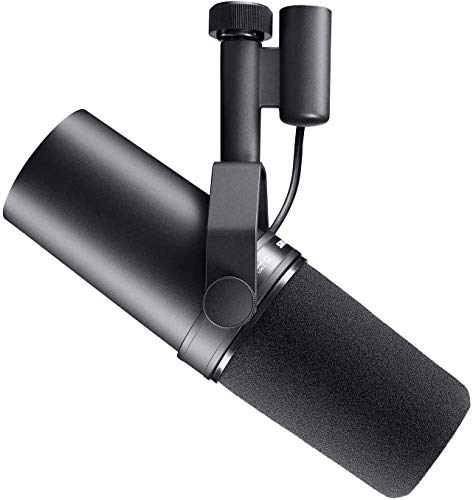
- Warm, balanced vocals with wide-range response
- Cardioid pickup and shock isolation reduce noise
- Built-in pop filtering and detachable windscreen
Best For: Podcasting and streaming with a classic pro broadcast sound
Isolation Pick
Audio-Technica AT2040 Hypercardioid Podcast Mic
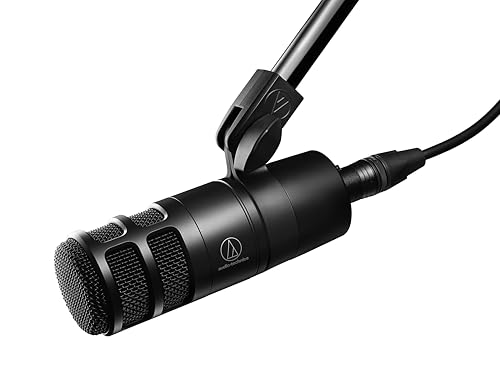
- Hypercardioid pattern increases vocal isolation
- Integrated shock mount cuts handling noise
- Foam mesh windscreen helps block plosives
Best For: Streamers and podcasters needing tighter room rejection
Budget Value
Amazon Basics Dynamic Vocal Microphone with Cable

- Cardioid pattern isolates the main voice source
- Built-in wind and pop filter for cleaner speech
- Zinc die-cast body with steel mesh head
Best For: Budget setups needing a simple XLR broadcast-style mic
Premium Streaming Pick
Shure MV7+ USB-C & XLR Podcast Dynamic Mic

- USB-C and XLR connectivity
- Voice isolation and real-time denoiser
- LED touch panel with mute control
Best For: Streamers and podcasters who want flexible connectivity and clean broadcast audio
Simple Stage Choice
Sennheiser XS 1 Handheld Dynamic Microphone

- Cardioid handheld dynamic mic
- Silent mute switch
- Includes clip and carrying pouch
Best For: Hosts and performers using XLR setups for speech or singing
Best Value Desktop Kit
MAONO HD300T USB XLR Dynamic Podcast Microphone

- USB/XLR dual-mode flexibility
- Cardioid capsule with noise reduction
- Includes stand, shock mount, and pop filter
Best For: Creators who want a complete desktop broadcast mic kit
Broadcast-Ready Clarity
SE Electronics V7 Dynamic Vocal Mic

- Supercardioid pattern for strong voice isolation
- Shockmount reduces rumble and handling noise
- All-metal build for demanding use
Best For: Broadcasters and presenters wanting a rugged XLR handheld mic
Flexible Studio Utility
FIFINE AmpliTank K688CT Podcast Kit

- USB/XLR mic with flexible connectivity
- Includes boom arm, shock mount, and windscreen
- USB controls include mute, gain, and monitoring
Best For: Streamers and podcasters who want a versatile broadcast mic kit
Simple Rugged Value
Pyle PDMIC58 Dynamic Cardioid Mic

- Cardioid pickup reduces background noise
- Rugged zinc-alloy body with pop filter
- Includes 15-foot XLR cable
Best For: Budget buyers needing a durable, plug-in dynamic mic
Premium Broadcast Pick – RØDE PodMic XLR Broadcast Dynamic Microphone
If you want one of the most straightforward dynamic microphones for broadcasting, the RØDE PodMic is built around speech-first performance. Its broadcast-tuned dynamic capsule is designed to reject room noise in untreated spaces, and the internal pop filter plus shock mounting help keep plosives and desk bumps under control without adding extra gear.
Best For: Creators using an XLR interface, mixer, or RØDECaster who want a rugged mic made for broadcast-style voice work.
Pros:
- Broadcast-quality dynamic capsule tuned for speech
- Internal pop filter and shock mounting reduce plosives and desk thumps
- All-metal build designed for long-term use
- Connects to XLR interfaces, mixers, or RØDECaster devices
Cons:
- Requires an audio interface or mixer with an XLR input
- Not a USB microphone
The PodMic is a practical choice if your priority is clean spoken-word capture and a durable studio setup. It keeps the feature set focused on broadcast use, which makes it especially appealing when you already have the right XLR gear.
Studio Standard – Shure SM7B Dynamic Vocal Microphone
The Shure SM7B is one of the best-known dynamic microphones for broadcasting because it is built for warm, balanced vocals and close-mic speech work. Its cardioid pickup pattern, air suspension shock isolation, and built-in pop filtering are all aimed at keeping your voice clear while reducing background noise, handling noise, and plosives.
Best For: Podcasting, streaming, voiceover, and studio creators who want a pro-level XLR broadcast mic with a classic sound.
Pros:
- Warm, balanced vocal character with wide-range response
- Cardioid pickup and shock isolation help reduce room noise
- Built-in pop filtering plus detachable windscreen for cleaner speech
- Rugged all-metal build with electromagnetic shielding
Cons:
- Requires XLR gear such as an interface or mixer
- At least 60dB of gain is recommended for the classic tone
For buyers who want a broadcast mic with a proven reputation, the SM7B remains a strong pick. It is especially compelling if you value flexible tone shaping and want a microphone that is made to handle demanding recording environments.
Isolation Pick – Audio-Technica AT2040 Hypercardioid Podcast Mic
The Audio-Technica AT2040 is a smart option if you want dynamic microphones for broadcasting with extra focus on isolation. Its hypercardioid pattern is designed to reduce sound from the sides and rear, while the integrated shock mount and multistage foam mesh windscreen help keep handling noise and plosives out of the signal.
Best For: Podcasters and streamers who want strong vocal isolation in a compact XLR broadcast mic.
Pros:
- Hypercardioid pattern helps maximize vocal isolation
- Integrated shock mount reduces stand and boom vibration
- Multistage foam mesh windscreen provides internal pop filtering
- Includes stand mount, threaded adapter, and protective pouch
Cons:
- Requires XLR connectivity
- Frequency response is listed at 15 kHz rather than a broader range
The AT2040 keeps the feature set practical and focused on spoken audio. If your room is not ideal and you want a mic that puts more emphasis on rejecting unwanted sound, this is an easy one to consider.
Budget Value – Amazon Basics Dynamic Vocal Microphone with Cable
If you want a simple entry point into dynamic microphones for broadcasting, this Amazon Basics model covers the basics without adding complexity. The cardioid pickup pattern is meant to isolate the main source while minimizing background noise and feedback, and the built-in spherical wind and pop filter help smooth out breath and plosive sounds.
Best For: Budget-minded buyers who want an easy-to-set-up XLR vocal mic for podcasting, broadcasting, or live use.
Pros:
- Cardioid pattern helps isolate the voice
- Built-in wind and pop filter reduces breath and pop noise
- Durable zinc die-cast housing with steel mesh head
- Includes a cable for quick setup with compatible audio gear
Cons:
- Uses an XLR connection, so it still needs compatible audio equipment
- More basic feature set than higher-end broadcast microphones
This is the most straightforward pick in the group if you mainly want a usable dynamic vocal mic at a practical starting point. It is less specialized than the other options, but it still hits the core requirements for spoken-word capture.
Premium Streaming Pick – Shure MV7+ USB-C & XLR Podcast Dynamic Mic
For buyers comparing dynamic microphones for broadcasting, the Shure MV7+ stands out as a flexible USB-C and XLR option built for podcasting, live streaming, YouTube, and content creation. Its Voice Isolation Technology, real-time denoiser, and auto level mode are aimed at keeping speech clear and consistent in busy home setups.
Best For: Streamers and podcasters who want an OBS-certified dynamic mic with modern controls and dual connectivity.
Pros:
- USB-C and XLR connectivity fits beginner and pro broadcasting setups.
- Voice Isolation Technology and real-time denoiser help reduce room noise and fan sound.
- Auto level mode and digital pop filter support smoother, more balanced voice capture.
- LED touch panel adds mute control and customizable visual feedback.
Cons:
- More advanced features may be more than casual users need.
- Desktop-focused design may not suit handheld use.
The MV7+ is a strong choice if you want a broadcasting mic that combines clean vocal processing with practical live-stream controls. It is especially appealing when you need one mic that can move between USB convenience and XLR studio workflows.
Simple Stage Choice – Sennheiser XS 1 Handheld Dynamic Microphone
If you need a straightforward option among dynamic microphones for broadcasting, the Sennheiser XS 1 keeps things simple with a cardioid handheld design and XLR connection. It is built for speech and singing, and the included mute switch, mic clip, and carrying pouch make it easy to move between setups.
Best For: Hosts, speakers, and performers who want a basic handheld XLR dynamic mic.
Pros:
- Cardioid dynamic pickup helps focus on the voice.
- Handheld form factor works well for speech and singing.
- Silent mute switch adds quick control during use.
- Includes a clip and carrying pouch for transport and mounting.
Cons:
- Requires XLR gear, so it is not a plug-and-play USB option.
- Does not include the onboard processing features found on some broadcast mics.
The XS 1 is a practical pick if you want a dependable handheld microphone without extra complexity. It makes the most sense for users who already have an audio mixer, amplifier, or similar XLR setup.
Best Value Desktop Kit – MAONO HD300T USB XLR Dynamic Podcast Microphone
For anyone shopping dynamic microphones for broadcasting, the MAONO HD300T offers a practical mix of USB and XLR support, plus a complete desktop kit. Its cardioid dynamic capsule, zero-latency monitoring, and included stand accessories make it a solid all-in-one choice for podcasting, streaming, voiceover, and home studio work.
Best For: Creators who want an affordable dual-mode desktop broadcast microphone kit.
Pros:
- USB and XLR dual mode supports both simple and more advanced setups.
- Cardioid dynamic capsule helps reduce background noise and room reflections.
- Zero-latency monitoring and headphone volume control improve recording workflow.
- Includes a stand, shock mount, pop filter, USB cable, and XLR cable.
Cons:
- Desktop-based design is less flexible than a handheld mic.
- Best results may still depend on how you position the included accessories.
The HD300T is a strong value pick if you want a broadcast-ready kit with fewer add-ons to buy separately. It is especially useful for creators who need one microphone that can handle PC recording now and XLR expansion later.
Broadcast-Ready Clarity – SE Electronics V7 Dynamic Vocal Mic
If you want dynamic microphones for broadcasting that prioritize clean speech and strong rejection of room noise, the SE Electronics V7 is built for that job. Its supercardioid pattern, shockmount system, and internal windscreen are designed to keep vocals clear and controlled in live, studio, and spoken-word settings.
Best For: Broadcasters, podcasters, and live presenters who want a rugged handheld mic with strong isolation.
Pros:
- Supercardioid pickup helps isolate voice and reduce stage noise
- Patented shockmount cuts rumble and handling noise
- Internal windscreen helps reduce plosives and wind noise
- All-metal housing and spring steel grille add durability
Cons:
- XLR-only connection, so it needs compatible audio gear
- Handheld format may not suit every desk-based broadcast setup
Overall, the V7 is a practical choice when vocal clarity and feedback resistance matter more than extra features. It looks well suited to high-gain spoken applications where durability and clean capture are priorities.
Flexible Studio Utility – FIFINE AmpliTank K688CT Podcast Kit
For buyers comparing dynamic microphones for broadcasting, the FIFINE AmpliTank K688CT stands out for its USB/XLR flexibility and broadcast-friendly controls. It is built to deliver natural sound, reduce ambient noise, and give you quick control over mute, gain, and monitoring when used over USB.
Best For: Streamers, podcasters, and broadcasters who want one mic kit that can work in USB or XLR setups.
Pros:
- USB and XLR connectivity for flexible setup options
- Cardioid pattern helps reduce background noise
- Tap-to-mute, gain knob, and headphone monitoring on USB
- Includes boom arm, windscreen, and shock mount for smoother audio
Cons:
- Function keys do not work in XLR mode
- Needs close mic technique for best input level
This kit is especially appealing if you want a broadcast mic that can grow with your setup. The included arm and noise-control accessories make it easier to build a cleaner voice chain right out of the box.
Simple Rugged Value – Pyle PDMIC58 Dynamic Cardioid Mic
If you need a straightforward option in dynamic microphones for broadcasting, the Pyle PDMIC58 focuses on the basics: a cardioid pickup, rugged metal construction, and an included XLR cable. It is a no-power handheld mic that is ready to plug in for stage, studio, or vocal use.
Best For: Budget-minded users who want a durable, no-frills XLR microphone for voice and live use.
Pros:
- Cardioid pattern helps reduce background noise and feedback
- All-metal zinc alloy body for durability
- Built-in pop filter and windscreen help tame breath noise
- Includes a 15-foot XLR cable for immediate setup
Cons:
- Passive design offers fewer onboard features than USB models
- Frequency range is more limited than some higher-end mics
The PDMIC58 is a practical pick when you want dependable voice capture without extra complexity. Its included cable and rugged build make it appealing for simple broadcast or PA-style setups.
How We Picked the Best Dynamic Microphones for Broadcasting
We focused on Dynamic Microphones for Broadcasting that offer strong voice isolation, durable construction, and practical features for spoken-word use. We also weighed connection options, ease of setup, accessory value, and whether a mic makes sense for beginners as well as experienced creators.
Quick Comparison
Some models in this roundup are classic XLR-only broadcast mics designed for a studio chain, while others add USB connectivity for simpler plug-and-play use. If you want maximum flexibility, choose a hybrid USB/XLR model; if you already own an interface or mixer, a dedicated XLR mic may be the better long-term buy.
Key Buying Factors for Dynamic Microphones for Broadcasting
Pickup Pattern and Noise Rejection
Cardioid and supercardioid patterns are common because they focus on the speaker and reject more background sound. That matters in untreated rooms, shared spaces, and live environments where you want the voice to stay front and center.
Output Type and Gain Needs
XLR microphones usually need an audio interface, mixer, or preamp with enough clean gain. USB models are simpler to start with, but they may offer less upgrade flexibility. If your voice sounds thin or noisy at high gain, pair the mic with a quality interface or inline booster when needed.
Build Quality and Handling
Broadcast mics often live on boom arms, desks, and stage stands, so rugged construction matters. Look for solid metal housings, dependable mounts, and designs that resist handling noise and plosives when you speak close to the grille.
Accessories and Setup Value
Included stands, cables, and pop filters can save money and reduce setup friction. For Dynamic Microphones for Broadcasting, a good boom arm or stand placement is often just as important as the mic itself.
Who Should Buy Which Dynamic Microphones for Broadcasting?
Choose a premium broadcast-style XLR mic if you want the most proven sound and already have the right gear to support it. Pick a USB/XLR hybrid if you want one mic that can work for both beginner streaming and a more advanced future setup. Budget models are best for casual voice use, home recording, and first-time buyers, while rugged handheld options suit live speaking, stage work, and on-the-go broadcasting.
If you are building a focused voice setup, prioritize clarity, rejection of room noise, and comfortable close-mic performance over extra features you may never use. That approach usually leads to the best results with Dynamic Microphones for Broadcasting.