Choosing the right dynamic microphone for streaming can make your voice sound clearer, fuller, and more professional without capturing as much room noise.
Below, we’ve focused on strong performers for streamers, podcasters, and gaming creators, with options that fit different budgets, setups, and audio workflows.
Best 10 Dynamic Microphone for Streaming Picks for 2026
Broadcast Classic
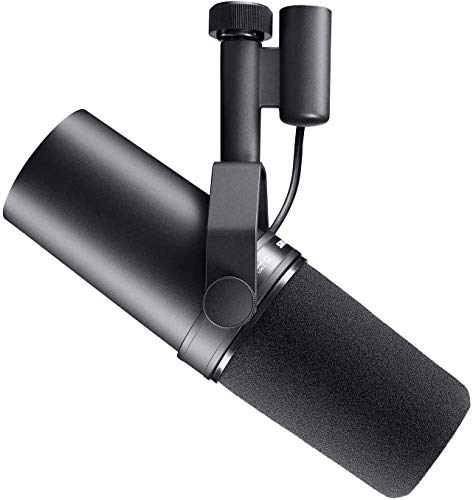
- Warm, balanced vocal sound
- Cardioid pattern cuts room noise
- XLR build with built-in pop filtering
Best For: Streamers and podcasters wanting a pro broadcast tone
Podcast Workhorse

- Speech-tuned broadcast dynamic capsule
- Built-in pop filter and shock mount
- All-metal XLR design
Best For: Creators with an XLR setup who want simple broadcast audio
Precision Pick
Audio-Technica AT2040 for Streaming
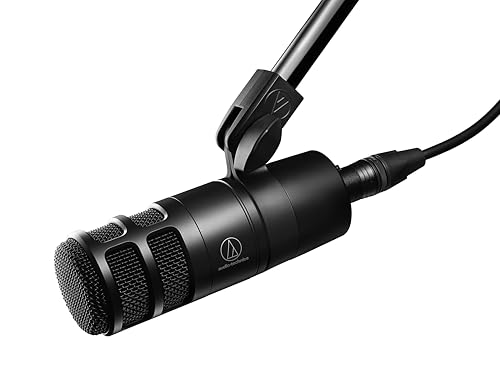
- Hypercardioid pattern boosts vocal isolation
- Integrated shock mount cuts handling noise
- Includes mount adapter and pouch
Best For: Voice-focused streamers who need strong off-axis rejection
Dual-Mode Choice
FIFINE AM8 for Gaming Streaming

- USB/XLR support for flexible setups
- Cardioid pickup rejects off-axis noise
- USB mode adds mute, RGB, and monitoring
Best For: Gamers who want an easy USB start with XLR upgrade potential
Studio-Ready Voice Isolation
Shure MV7X XLR Dynamic Podcast & Recording Microphone

- Dynamic cardioid capsule helps reduce room noise
- XLR-only output for interface and mixer setups
- All-metal body with integrated shock mount
Best For: Streamers and podcasters who want focused vocal capture from an XLR mic
Speech-Optimized Broadcast Tone
Elgato Wave DX Dynamic XLR Microphone

- Speech-tuned dynamic capsule with warm clarity
- Cardioid pattern helps reject room noise
- Includes swivel mount and thread adapters
Best For: Streamers who want a simple, clean-sounding XLR microphone
Dual-Mode Creator Flexibility
Shure MV7+ USB-C & XLR Podcast Dynamic Microphone

- USB-C and XLR outputs for flexible setup options
- Auto Level and denoiser support consistent voice audio
- LED touch panel adds monitoring and tap-to-mute
Best For: Creators who want a streaming mic that works in both USB and XLR setups
Dual-Mode RGB Pick
PD200XS XLR/USB Dynamic Microphone Kit

- USB and XLR outputs for flexible streaming setups
- Cardioid dynamic capsule helps reduce background noise
- Includes boom arm, shock mount, and monitoring jack
Best For: streamers who want RGB, software control, and future XLR upgradeability
Clean USB/XLR Option
FIFINE AmpliTank K688 Dynamic Microphone

- Cardioid pattern helps reduce fan and desk noise
- USB plug-and-play plus XLR upgrade path
- Tap-to-mute, gain knob, and headphone monitoring
Best For: streamers who want straightforward vocals and future studio flexibility
All-in-One Boom Arm Kit
FIFINE AmpliTank K688CT Podcast Microphone Kit

- USB/XLR mic kit with included boom arm and shock mount
- Cardioid pickup plus windscreen helps tame noise and plosives
- USB mode supports tap-to-mute, gain, and monitoring
Best For: streamers who want a complete starter kit with fewer extra purchases
Broadcast Classic – Shure SM7B for Streaming
If you want a dynamic microphone for streaming with a polished broadcast sound, the Shure SM7B is built for warm, balanced vocals and dependable noise control. Its cardioid pattern, air suspension isolation, and built-in pop filtering help keep your voice clear while reducing room noise, plosives, and handling interference.
Best For: Streamers, podcasters, and voice creators who want a professional XLR microphone with strong background rejection and a classic broadcast tone.
Pros:
- Warm, natural vocal tuning with wide-range frequency response
- Cardioid pickup and shock isolation help minimize room noise and vibrations
- Built-in pop filtering and detachable windscreen reduce plosives and breath noise
- Rugged all-metal build with electromagnetic shielding for reliable use
Cons:
- Requires an XLR setup with an audio interface or mixer
- At least 60dB of gain is recommended for best results
The SM7B is a strong pick if you want a tried-and-true streaming mic that prioritizes voice quality and control over plug-and-play simplicity. It’s especially appealing for creators building a more serious studio or broadcast chain.
Podcast Workhorse – RODE PodMic for Streaming
The RØDE PodMic is a practical dynamic microphone for streaming if you want broadcast-style speech capture with straightforward XLR operation. It’s tuned for speech, uses a cardioid pattern to reject room noise, and includes internal pop protection and shock mounting to help keep desk noise under control.
Best For: Podcasters and streamers who want a sturdy XLR mic with built-in noise control and no extra accessories required.
Pros:
- Broadcast-quality dynamic capsule tuned for speech
- Internal pop filter and shock mounting help tame plosives and desk thumps
- All-metal body designed for long-term use
- Works with XLR interfaces, mixers, or the RØDECaster family
Cons:
- Requires an audio interface or mixer with XLR input
- Not a USB microphone
If you already have an XLR setup, the PodMic offers a clean path to stream-ready speech without relying on add-on accessories. It’s a sensible value choice for creators who want a focused vocal mic in a durable package.
Precision Pick – Audio-Technica AT2040 for Streaming
The Audio-Technica AT2040 is a dynamic microphone for streaming that focuses on vocal isolation and clean speech capture. Its hypercardioid pattern narrows pickup from the sides and rear, while the integrated shock mount and multistage foam windscreen help reduce handling noise and plosives.
Best For: Streamers, podcasters, and gamers who want a tightly focused vocal mic with strong side and rear rejection.
Pros:
- Hypercardioid pattern helps isolate your voice from off-axis sound
- Integrated shock mount reduces stand and boom noise
- Multistage foam mesh windscreen improves internal pop filtering
- Includes stand mount, threaded adapter, and protective pouch
Cons:
- Requires XLR connectivity
- Sound is optimized for voice rather than general-purpose recording
The AT2040 is a good fit if your room isn’t perfectly treated and you need a mic that stays focused on your voice. It gives streamers a controlled, practical option with useful accessories in the box.
Dual-Mode Choice – FIFINE AM8 for Gaming Streaming
The FIFINE AmpliGame AM8 is a flexible dynamic microphone for streaming if you want both USB convenience and XLR upgradeability. It offers directional cardioid pickup to reject off-axis noise, plus USB-only extras like tap-to-mute, RGB lighting, headphone monitoring, and a gain knob for easier day-to-day use.
Best For: Gamers and beginner creators who want an easy USB mic now with the option to move into XLR later.
Pros:
- USB and XLR connections offer flexible setup options
- Cardioid pattern helps reduce unwanted background noise
- USB mode adds tap-to-mute, gain control, monitoring, and RGB lighting
- Built-in metal threads fit common mic stands without an adapter
Cons:
- RGB and several controls do not work in XLR mode
- XLR cable is not included
The AM8 stands out as a budget-friendly route for streamers who want to start simple but still have room to expand. Its feature set is strongest over USB, while XLR keeps it useful as your setup grows.
Studio-Ready Voice Isolation – Shure MV7X XLR Dynamic Podcast & Recording Microphone
If you want a dynamic microphone for streaming that keeps the focus on your voice, the Shure MV7X is built for spoken-word clarity with XLR-only connectivity. Its dynamic cardioid design and integrated shock mount help reduce room noise and handling vibration, making it a practical fit for creators who already use an audio interface or mixer.
Best For: Streamers, podcasters, and vocal creators who want broadcast-style sound through an XLR setup.
Pros:
- Voice-isolating dynamic cardioid design helps minimize background noise.
- All-metal build feels durable for regular studio or desk use.
- XLR-only output gives you flexible control with interfaces and mixers.
- Included adapter improves stand and boom arm compatibility.
Cons:
- Requires an XLR interface or mixer, so it is not plug-and-play by itself.
- No USB option for simpler direct computer connection.
The MV7X is a strong choice if you want reliable vocal capture and do not need extra onboard effects or USB convenience. It is straightforward, rugged, and tuned for clean speaking audio in streaming and podcast setups.
Speech-Optimized Broadcast Tone – Elgato Wave DX Dynamic XLR Microphone
The Elgato Wave DX is a dynamic microphone for streaming aimed at clean, speech-first audio with a warm, true-to-life sound character. Its cardioid pattern and room-noise rejection make it a smart pick if you want clear voice capture from a straightforward XLR setup without relying on a signal booster.
Best For: Streamers and gaming creators who want a simple XLR mic with strong voice clarity.
Pros:
- Speech-optimized dynamic capsule delivers detailed, clear vocal sound.
- Room noise rejection helps limit unwanted background sound.
- Works with any XLR preamp or audio interface, with no signal booster needed.
- Swivel mount and thread adapters make positioning easier.
Cons:
- Requires an XLR interface or preamp to use.
- Handheld form factor may not suit every desk or boom-arm preference.
For creators who want a focused, no-frills broadcast mic, the Wave DX keeps the setup simple while staying tuned for speech. It is especially appealing if you value a wide, forgiving pickup angle and included mounting hardware.
Dual-Mode Creator Flexibility – Shure MV7+ USB-C & XLR Podcast Dynamic Microphone
The Shure MV7+ is a dynamic microphone for streaming that combines plug-and-play USB-C convenience with XLR flexibility for more advanced setups. It adds practical creator features like a customizable LED touch panel, tap-to-mute control, auto level, and real-time denoising, making it useful when you need clean voice capture across changing recording environments.
Best For: Streamers, podcasters, and gamers who want one mic that works in both simple and studio-style setups.
Pros:
- USB-C and XLR outputs support both easy and advanced workflows.
- Auto Level and real-time denoiser help keep audio consistent.
- LED touch panel adds level monitoring and tap-to-mute control.
- Built-in reverb modes provide extra vocal polish when wanted.
Cons:
- More features may be unnecessary if you only want a basic microphone.
- Heavier, feature-rich design may be less minimal than simpler mics.
If you want a future-proof streaming mic, the MV7+ stands out because it can grow with your setup. It offers a good balance of convenience, control, and creator-friendly audio shaping without forcing you into a single connection type.
Dual-Mode RGB Pick – PD200XS XLR/USB Dynamic Microphone Kit
If you want a dynamic microphone for streaming that can flex between simple USB setup and a more advanced XLR rig, the MAONO PD200XS is built for both. Its cardioid pattern helps cut background noise, while the included boom arm, shock mount, and on-mic controls make it easier to dial in clean vocal capture for gaming, podcasting, and voice work.
Best For: Streamers and creators who want RGB styling, USB convenience, and XLR upgradeability in one kit.
Pros:
- Dual USB/XLR connectivity gives you plug-and-play or studio-style flexibility.
- Cardioid dynamic capsule is tuned to reduce background noise and focus on vocals.
- MAONO Link software in USB mode adds EQ, limiter, compressor, and RGB control.
- Includes boom arm, shock mount, and headphone monitoring jack for easier setup.
Cons:
- Software features are available only in USB mode.
- XLR cable is not included.
Overall, this is a strong all-in-one option if you want a streaming mic kit that can start simple and still support a more serious audio chain later. The bundled accessories and onboard controls make it especially practical for desktop creators.
Clean USB/XLR Option – FIFINE AmpliTank K688 Dynamic Microphone
The FIFINE AmpliTank K688 is a practical dynamic microphone for streaming if you want straightforward voice capture with room to grow. It uses a cardioid pattern to help reject fan noise and other room distractions, and it pairs USB convenience with XLR output for creators who may later add a mixer or audio interface.
Best For: Streamers and podcasters who want clean vocal pickup, simple USB use, and a path to XLR gear.
Pros:
- Cardioid pattern helps reduce background noise from computers and hard drives.
- USB connection offers easy plug-and-play use on Windows or Mac.
- XLR output supports more advanced audio setups with mixers or interfaces.
- Includes tap-to-mute, gain control, headphone monitoring, and a windscreen with shock mount.
Cons:
- Arm stand, mic stand, and XLR cable are not included.
- All function keys work only in USB mode.
For creators who want a no-fuss mic that can still scale into a more serious setup, the K688 is easy to recommend. Its feature set covers the basics well without adding unnecessary complexity.
All-in-One Boom Arm Kit – FIFINE AmpliTank K688CT Podcast Microphone Kit
If you want a dynamic microphone for streaming with the accessories already sorted out, the FIFINE AmpliTank K688CT is the most complete of the group. It keeps the same USB/XLR flexibility and cardioid voice focus, while adding a boom arm, shock mount, and windscreen so you can set up for clearer desktop recording right away.
Best For: Streamers and podcasters who want an all-in-one mic kit with a sturdy boom arm.
Pros:
- USB and XLR connections give you both convenience and expandability.
- Cardioid pickup and included windscreen help reduce ambient noise and plosives.
- Metal boom arm and shock mount improve placement and reduce vibration.
- USB mode adds tap-to-mute, gain control, and headphone monitoring.
Cons:
- Function keys are inactive when using XLR.
- C-clamp is limited to desks under 2 inches thick.
As a bundle, this model stands out for making the setup process easier without giving up core audio flexibility. If you prefer to buy once and start streaming with fewer extra parts, it is a sensible pick.
How We Picked the Best Dynamic Microphone for Streaming
We prioritized microphones that are well-suited to live voice work, with an emphasis on speech clarity, controlled pickup patterns, and practical streaming features. For a Dynamic Microphone for Streaming, that usually means good off-axis rejection, strong close-up vocal performance, and enough output or connectivity to work in real creator setups.
We also considered whether each model is beginner-friendly, whether it supports XLR, USB, or both, and how well it fits common streaming desks with boom arms, interfaces, mixers, and headphones.
Quick Comparison
If you want the simplest setup, USB/XLR hybrids are the easiest place to start. If you already have an audio interface or want maximum upgrade flexibility, an XLR model is often the better long-term choice. Higher-end broadcast-style mics tend to reward proper mic technique, while budget-friendly streaming mics often trade some refinement for easier use and stronger value.
Key Buying Factors for Dynamic Microphone for Streaming
Connectivity
Choose USB if you want plug-and-play convenience. Choose XLR if you already use an interface or want cleaner expansion options. A dual USB/XLR model gives you the most flexibility.
Pickup Pattern and Room Noise
Cardioid and hypercardioid patterns are common for streaming because they focus on your voice and help reduce keyboard, fan, and room noise. If your space is untreated, this matters a lot.
Output and Gain Needs
Some dynamic mics need more clean gain than others. If you are using an interface, make sure it can supply enough gain without adding hiss. If not, you may need a preamp or inline booster.
Workflow Features
Mute buttons, headphone monitoring, software controls, gain knobs, and RGB lighting can improve convenience, but they should not outweigh core sound quality and reliability.
Build and Mounting
Check whether the microphone includes a stand, shock mount, or pop filter, and whether its size works well on your boom arm or desk setup.
Who Should Buy Which Dynamic Microphone for Streaming?
Beginners and console or PC streamers who want simple setup should lean toward USB or USB/XLR models. Streamers building a more serious audio chain, or anyone already using an interface, should prioritize XLR models for better integration and future upgrades. If your room is noisy, choose a dynamic microphone with strong off-axis rejection and a cardioid or hypercardioid pattern. If you want one mic that can grow with your setup, a dual-connectivity model is often the smartest buy.