Choosing the right condenser microphone can make a noticeable difference in how polished your voice sounds on streams, podcasts, calls, and recordings.
Below, we focus on models that balance clarity, ease of use, and value so you can match the right mic to your setup and budget.
Best 10 Condenser Microphones Picks for 2026
Multi-Pattern USB All-Rounder

- Four pickup patterns for different recording needs
- Blue VO!CE software adds vocal processing tools
- USB plug-and-play setup with onboard controls
Best For: Creators who need one versatile mic for streaming, podcasting, and recording
Budget Studio Starter

- Affordable XLR condenser mic for studio use
- Cardioid pattern reduces ambience
- Includes shock mount and XLR cable
Best For: Home and project studios needing an affordable, simple XLR mic
Compact Gaming Condenser
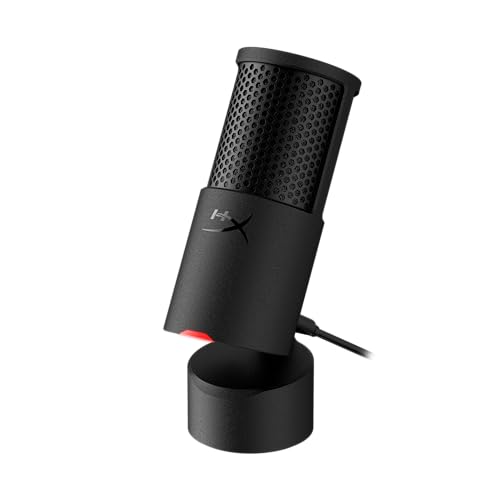
- Built-in pop filter and internal shock mount
- 24-bit / 96kHz recording with USB plug and play
- Tilt-adjustable stand with weighted base
Best For: Gamers and streamers wanting a simple desktop mic with built-in noise control
Classic XLR Studio Standard
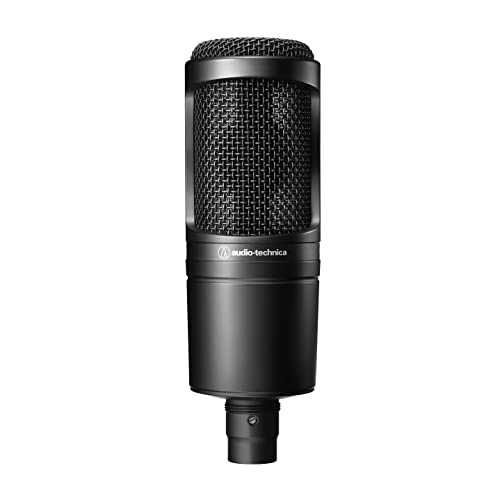
- Cardioid XLR mic for home and project studios
- Low-mass diaphragm for extended response
- High SPL handling with wide dynamic range
Best For: Home-studio users who want a trusted, value-focused XLR condenser
Simple Plug-and-Play

- USB plug-and-play with included cable
- Metal body and tripod stand
- Cardioid pattern with volume knob
Best For: Quick desktop recording, meetings, and streaming
Studio Vocal Focus
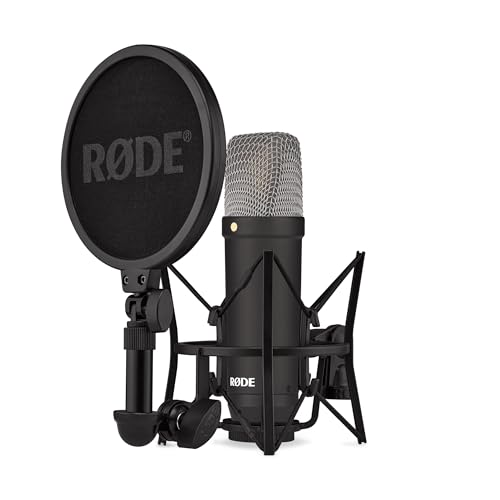
- Large-diaphragm XLR condenser for vocals
- Very low self-noise for cleaner takes
- Includes shock mount, pop filter, and XLR cable
Best For: Studio vocals and streamers who use an audio interface
Flexible USB/XLR Kit

- USB/XLR connectivity for flexible setups
- Includes arm stand, shock mount, and filters
- USB software controls and noise reduction
Best For: Podcasting and home recording with room to upgrade
Best for easy desktop recording
Sennheiser Profile USB condenser mic

- USB-C plug-and-play setup
- Warm, natural vocal tuning
- Headphone jack with gain, mix, and volume control
Best For: Creators who want a simple desktop mic with hands-on controls
Best budget desktop option
Amazon Basics USB condenser microphone

- Large 14mm diaphragm for clear pickup
- Cardioid pattern helps reduce background noise
- One-tap mute and adjustable stand
Best For: Budget-minded users who want a simple USB mic for streaming or recording
Best all-in-one streaming kit
TONOR TC310+ USB gaming mic kit

- Includes boom arm, shockmount, and pop filter
- Top-tap mute and gain control
- RGB lighting with multiple modes
Best For: Streamers and creators who want a full desktop mic kit
Multi-Pattern USB All-Rounder – Blue Yeti Blackout
If you want a condenser microphone that can handle streaming, podcasting, recording, and video calls without a complicated setup, the Blue Yeti is built for that kind of versatility. Its three-capsule array and four pickup patterns make it easy to adapt the mic to different recording styles on Mac or PC.
Best For: Creators who want a plug-and-play USB condenser mic with flexible pickup patterns for voice, gaming, and recording.
Pros:
- Four pickup patterns: cardioid, omni, bidirectional, and stereo
- Blue VO!CE software adds vocal effects and HD audio samples
- Onboard controls for gain, mute, pattern selection, and headphone volume
- Plug-and-play USB setup with included desktop stand
Cons:
- USB design may not suit users building a fully XLR studio chain
- Large desktop footprint compared with compact mics
The Blue Yeti stands out when flexibility matters more than a stripped-down design. If you need one condenser mic that can cover several use cases, it offers a practical mix of control, convenience, and broad recording options.
Budget Studio Starter – Mackie EM-91C
For buyers comparing condenser microphones for a home or project studio, the Mackie EM-91C focuses on straightforward vocal and instrument recording. It uses an XLR connection, a cardioid pattern to reduce ambience, and includes the basic accessories needed to get started.
Best For: Entry-level studio users who want an affordable XLR condenser mic for vocals and instruments.
Pros:
- Affordable professional-quality condenser microphone
- Cardioid pattern helps reduce ambient pickup
- Includes shock mount and XLR cable
- Rugged, reliable construction for studio use
Cons:
- Requires an XLR audio setup, not direct USB use
- Less feature-rich than USB microphones with onboard controls
The EM-91C is a practical pick if you already use an interface or mixer and want a no-frills condenser mic. It keeps the focus on core recording performance and essential accessories rather than extra software features.
Compact Gaming Condenser – HyperX SoloCast 2
If you want a condenser microphone for gaming or streaming that keeps the setup simple, the HyperX SoloCast 2 is designed around convenience. It uses USB-C to USB-A plug and play, a built-in pop filter, and an internal shock mount to reduce unwanted noise without adding extra gear.
Best For: Gamers and streamers who want a compact USB condenser mic with built-in noise-reduction features.
Pros:
- Built-in pop filter and internal shock mount
- Compact tiltable stand with weighted base
- Cardioid pattern focuses on sound from the front
- 24-bit / 96kHz recording with optional NGENUITY filters
Cons:
- USB desktop design may not replace a full studio XLR setup
- Limited to one-channel desktop use
The SoloCast 2 is a strong fit if you want cleaner voice capture with minimal setup effort. Its built-in filtering and adjustable stand make it easy to drop into a gaming desk or streaming rig.
Classic XLR Studio Standard – Audio-Technica AT2020
The Audio-Technica AT2020 is one of the most straightforward condenser microphones for project and home studio work. It uses an XLR connection, needs phantom power, and is built around a cardioid design that helps isolate the source you want to record.
Best For: Home-studio creators who want a dependable XLR condenser mic with wide dynamic range and strong value.
Pros:
- Price/performance standard for studio condenser microphones
- Cardioid pattern improves isolation from sides and rear
- High SPL handling and wide dynamic range
- Low-mass diaphragm supports extended frequency and transient response
Cons:
- Requires phantom power and an audio interface
- Microphone-only package, so you must supply your own accessories
For buyers who prefer a proven XLR studio mic over a USB model, the AT2020 keeps things simple and effective. It is especially compelling if you want a versatile condenser microphone for a small recording setup without paying for extra features you may not need.
Simple Plug-and-Play – FIFINE K669B USB Microphone
If you want condenser microphones that are easy to set up for everyday recording, the FIFINE K669B is a straightforward USB option for vocals, meetings, streaming, and voice work. It connects directly to a USB-A port and includes a 5.9-foot cable plus a tripod stand, so it’s built for quick use on a PC or laptop without needing phantom power.
Best For: Users who want a simple USB condenser mic for streaming, calls, podcasting, and casual home recording.
Pros:
- Plug-and-play USB setup with USB-A connectivity and included cable
- Metal construction with a stable tripod stand
- Cardioid pickup helps focus on your voice and reduce background noise
- Built-in volume knob for easy level control and privacy muting
Cons:
- Not compatible with Xbox or phones
- USB-focused design means it’s not aimed at interface-based studio setups
The K669B makes sense if you value convenience over extra studio flexibility. It’s a practical desk mic for basic recording tasks, especially when you want clear voice capture and minimal setup time.
Studio Vocal Focus – RØDE NT1 Signature Series
Among condenser microphones aimed at studio work, the RØDE NT1 Signature Series is built for vocal recording with a tight cardioid pattern and very low self-noise. It ships with a shock mount, pop filter, XLR cable, and dust cover, so you can add an interface and get a complete vocal chain ready for sessions and streams.
Best For: Creators and vocalists who want a quiet large-diaphragm XLR condenser for studio-style recording.
Pros:
- Legendary NT1 large-diaphragm voicing designed for vocals
- Very low self-noise for cleaner takes
- Includes shock mount, pop filter, XLR cable, and dust cover
- Tight cardioid pattern helps reject room sound
Cons:
- Requires an audio interface to use
- Less convenient than USB mics for quick plug-and-play setups
If your priority is polished vocal capture, the NT1 Signature gives you a classic studio-style package with the accessories you need to start. It’s a strong fit when room noise and recording quality matter more than simplicity.
Flexible USB/XLR Kit – MAONO A04 Gen2 Condenser Mic
If you want condenser microphones that can grow with your setup, the MAONO A04 Gen2 stands out for its USB/XLR dual connectivity. It works as a plug-and-play mic for PC or phone in USB mode, but it can also connect through XLR to an audio interface or mixer, making it a versatile pick for podcasting, voiceover, and content creation.
Best For: Users who want one condenser mic kit that works for both simple USB recording and more advanced XLR setups.
Pros:
- Dual USB/XLR connectivity for flexible use
- Includes arm stand, shock mount, pop filter, and foam windscreen
- Cardioid pattern and double noise reduction help cut unwanted noise
- USB mode offers software controls like gain and noise reduction adjustments
Cons:
- XLR use requires phantom power and an external setup
- Some software controls are available only in USB mode
- XLR cable is not included
The A04 Gen2 is a practical choice if you want a starter kit that doesn’t box you into one connection type. It’s especially useful when you need a mic that can handle simple desk recording now and more expanded studio gear later.
Best for easy desktop recording – Sennheiser Profile USB condenser mic
If you want condenser microphones that are easy to live with day to day, the Sennheiser Profile is built around simple setup and direct control. Its USB-C connection, cardioid condenser capsule, and included table stand make it a practical choice for podcasts, streams, and voice recording when you want natural, warm voice capture without a complicated chain.
Best For: Streamers, podcasters, and PC or Mac users who want a polished USB mic with hands-on controls.
Pros:
- Plug-and-play USB-C setup keeps installation simple.
- Cardioid condenser capsule is tuned for a natural, warm vocal sound.
- Built-in headphone jack and gain, mix, and volume controls add live monitoring flexibility.
- Included table stand helps with compact placement on a desk.
Cons:
- Designed as a single-channel desktop mic, so it is not a multi-input setup.
- Best results depend on good mic placement despite the included stand.
The Profile is a strong fit if you want condenser microphones that focus on vocal quality and everyday ease rather than extra software or a complex rig. It keeps the core tools right on the mic, which is useful for creators who want to sound good fast.
Best budget desktop option – Amazon Basics USB condenser microphone
If you’re comparing condenser microphones for streaming, podcasting, or basic recording, this Amazon Basics model is aimed at straightforward everyday use. It offers a large 14mm diaphragm, cardioid pickup pattern, and plug-and-play USB connection, making it a practical entry-level option for users who want clear voice capture without extra setup.
Best For: Beginners and budget-focused users who need a simple USB mic for voice work on a PC or Mac.
Pros:
- Large 14mm diaphragm is designed for high sensitivity and low distortion.
- Cardioid pickup helps isolate background noise for cleaner vocal recording.
- One-tap mute adds convenient control during calls or streams.
- Adjustable 360° stand and detachable design make positioning flexible.
Cons:
- Best suited to basic desktop use rather than a more advanced creator setup.
- Plastic or plastic-alloy enclosure is less premium than metal-bodied alternatives.
This mic makes sense if you want condenser microphones with core features at a simple, accessible level. It covers the basics well: easy connection, helpful mute control, and a stand that can be adjusted for voice-first recording.
Best all-in-one streaming kit – TONOR TC310+ USB gaming mic kit
For shoppers comparing condenser microphones for streaming and content creation, the TONOR TC310+ stands out as a bundled desktop kit. It combines a USB mic with a metal boom arm, pop filter, shockmount, and clamp, while adding RGB lighting and top-tap mute controls for a more creator-focused setup.
Best For: Streamers, gamers, and content creators who want an all-in-one USB mic kit with desk-mounted flexibility.
Pros:
- Complete kit includes mic, boom arm, shockmount, pop filter, cable, and manual.
- Top-tap mute and gain adjustment make quick on-the-fly control easy.
- RGB lighting with multiple modes and brightness control adds a visual touch.
- Metal boom arm and adjustable joints help position the mic for different desk setups.
Cons:
- USB-A connectivity may be less convenient for some newer devices without adapters.
- RGB and gaming styling may not suit users who want a minimal look.
The TC310+ is a strong choice if you want condenser microphones packaged as a ready-to-use creator bundle. It focuses on convenience, desk flexibility, and live-session controls rather than a bare-bones microphone-only approach.
How We Picked These Condenser Microphones
We prioritized sound clarity, pickup pattern, noise handling, build quality, and setup convenience. We also looked for options that fit different workflows, including USB simplicity, XLR flexibility, and hybrid models for creators who may expand later.
Because Condenser Microphones are often used close to the source, we favored mics with strong voice detail, practical controls, and accessories that help reduce desk noise and handling issues.
Quick Comparison
USB models are the easiest choice for plug-and-play recording, streaming, and meetings. XLR models are better for users who want more control, an interface, and a path to upgrade their audio chain. Some kits include stands, mounts, or pop filters, which can save money and improve results right away.
Key Buying Factors for Condenser Microphones
Connection Type
Choose USB if you want fast setup and minimal gear. Choose XLR if you already use an audio interface or want more flexibility for future upgrades. Hybrid USB/XLR models can offer the best of both worlds.
Pickup Pattern and Room Noise
Most voice-focused Condenser Microphones use cardioid pickup, which helps isolate your voice and reduce sound from the sides and rear. If your room has echo, fans, or keyboard noise, cardioid is usually the safer pick.
Accessories and Controls
Useful extras include a mute button, gain control, headphone monitoring, shock mount, boom arm, and pop filter. These features can improve convenience and reduce the need for add-ons.
Intended Use
For streaming and gaming, prioritize easy access controls and desk-friendly mounting. For podcasting and voice recording, focus on clean tonal response and monitoring options. For home studios, an XLR condenser often makes more sense if you want more headroom and upgrade potential.
Who Should Buy Which Condenser Microphones?
If you want the easiest setup, a USB condenser microphone is the best fit. If you’re building a home recording chain, choose an XLR mic and interface. If you create across multiple formats, a hybrid model can be the most versatile option.
For most buyers, the best choice comes down to balancing room acoustics, budget, and how much control you want over your sound. Pick the simplest model that still gives you the features you’ll actually use.