Choosing the right recorder can make podcast interviews sound cleaner, faster to set up, and easier to edit.
Below, we focus on compact, practical options that fit studio workflows without adding unnecessary complexity.
Best 10 Compact Recorder for Podcast Studio Interviews Picks for 2026
Studio Interview Workhorse
Zoom PodTrak P4 Podcast Recorder

- 4 XLR mic inputs with phantom power
- 4 headphone outputs with individual volume control
- Mix-minus plus USB and phone remote interview support
Best For: Compact podcast studios with multiple in-room hosts and remote callers
Ultra-Portable Backup

- Built-in stereo X/Y mic configuration
- Records WAV and MP3 files
- Up to 10 hours of battery life
Best For: Portable interview capture and lightweight backup recording
AI-Assisted Interview Recorder

- 4 XLR inputs for up to four people plus a caller
- AI noise reduction, Tone Enhancement, and COMP
- Four headphone outputs with separate volume controls
Best For: Teams that want built-in processing help for cleaner interview audio
Wearable Guest Mic Recorder
Zoom F2 Lavalier Field Recorder
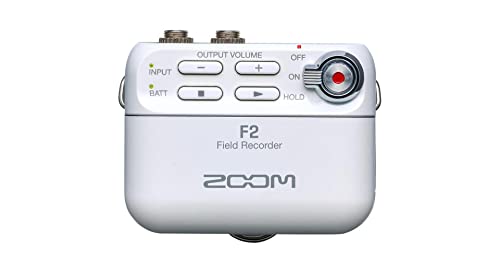
- 32-bit float recording avoids clipping
- Includes a lavalier microphone
- Up to 15 hours of battery life
Best For: Mobile or video interviews where each speaker needs a tiny recorder
Two-Mic Simplest Setup
Zoom PodTrak P2 Podcast Recorder with USB Mic Inputs

- Two USB mic inputs for immediate two-person recording
- Built-in mix-minus for remote guests
- AI noise reduction plus tone/compression tools
Best For: Two-person podcast interviews and remote guest calls
32-Bit Flex Recorder
Zoom H1 XLR 2-Channel Recorder

- 32-bit/96kHz recording for detailed audio
- Two XLR/TRS inputs for versatile setups
- OLED waveform display for quick level checks
Best For: Interviewers who want a small recorder with flexible inputs
Interview Starter Bundle
Zoom PodTrak P2 Dual USB Mic Recorder Bundle

- Two USB mic recording with mix-minus for guests
- AI noise reduction and 24-bit/48kHz audio
- Bundle includes mic, headphones, stand, cable, and more
Best For: Podcasters who want a compact two-mic interview recorder plus accessories
Most versatile interview recorder
Clip-Free 4-Track Recorder with XLR/TRS Inputs

- 32-bit float recording for safer levels
- Two XLR/TRS inputs for external mics or mixer feeds
- Built-in stereo mics plus USB-C recording/streaming
Best For: Studio podcast interviews and flexible multi-input setups
Simplest room-interview option
Compact 3-Mic Portable Recorder

- Three built-in mics with front, rear, and combined pickup
- 32-bit float capture with no gain adjustment
- USB mic mode and up to 2 TB card support
Best For: Quick, low-fuss podcast interviews in small studio rooms
Best lightweight travel pick
X/Y Stereo Recorder with USB-C

- Built-in X/Y stereo mics for fast setup
- 32-bit float capture for safer interview levels
- Ultra-light 92 g body with USB-C mic mode
Best For: Portable podcast interviews and creators who travel light
Studio Interview Workhorse – Zoom PodTrak P4 Podcast Recorder
The Zoom PodTrak P4 is a strong compact recorder for podcast studio interviews when you need multiple mics, headphone monitoring, and simple remote guest support in one small box. It gives you four XLR inputs, four headphone outputs, sound pads, and a mix-minus setup for phone or USB call-ins, making it practical for small interview setups.
Best For: Podcast hosts who want a compact, battery-powered recorder for multi-person studio interviews and remote call-ins.
Pros:
- Four XLR mic inputs with phantom power for multi-host interviews
- Four headphone outputs with individual volume control
- Automatic mix-minus for phone interviews plus USB remote interview support
- Programmable sound pads and multi-track recording for all inputs
Cons:
- Runs up to about 3.5 hours on two AA batteries
- Screen is small at 2 inches
If your priority is a straightforward interview recorder that keeps everyone monitored and connected, the P4 covers the essentials well. It is especially appealing for compact studios that also need occasional remote guest flexibility.
Ultra-Portable Backup – Zoom H1 Handy Recorder
The Zoom H1 is a simple compact recorder for podcast studio interviews when portability and quick capture matter most. Its built-in stereo X/Y mics, WAV or MP3 recording, and USB 2.0 connection make it useful as a lightweight backup recorder or for grabbing clean stereo audio in smaller interview sessions.
Best For: Creators who want a very small recorder for portable interview capture or backup audio in a studio.
Pros:
- Built-in stereo X/Y microphone setup for quick recording
- Records Broadcast WAV and MP3 formats
- Long battery life rated up to 10 hours
- Very lightweight at 2.08 ounces
Cons:
- Does not offer XLR mic inputs for multi-mic studio use
- Only stereo recording, not multitrack interview capture
The H1 is best viewed as a compact, grab-and-go solution rather than a full studio hub. For solo interviews, field backup, or simple stereo recording, it keeps the setup minimal.
AI-Assisted Interview Recorder – Zoom PodTrak P4next
The Zoom PodTrak P4next is a compact recorder for podcast studio interviews designed for creators who want more help from the hardware. With four XLR inputs, four headphone outputs, phone input support, USB audio interface mode, and built-in AI noise reduction and tone tools, it is aimed at fast, polished interview workflows.
Best For: Podcast teams that want a compact recorder with built-in AI help for cleaner interview audio.
Pros:
- Four XLR inputs support up to four people plus a call-in guest
- AI noise reduction, Tone Enhancement, and COMP help simplify mixing
- Four headphone outputs with separate volume controls
- Up to +70dB of gain for demanding podcast microphones
Cons:
- Battery type is not clearly specified in the supplied notes
- Heavier than the smallest portable recorders
This model stands out if you want a studio interview recorder that does more of the cleanup for you. It combines flexible input options with processing tools that can reduce post-production effort.
Wearable Guest Mic Recorder – Zoom F2 Lavalier Field Recorder
The Zoom F2 is a compact recorder for podcast studio interviews when you need a wireless-style lavalier setup without worrying about gain staging. Its 32-bit float recording avoids clipping, and the included lavalier mic plus tiny body make it a practical choice for guests, on-camera interviews, and mobile podcast workflows.
Best For: Hosts and creators who need a tiny lavalier recorder for interviews, especially for mobile or video-based recording.
Pros:
- 32-bit float recording helps prevent clipping
- Includes a lavalier microphone for discreet interview capture
- Very small and lightweight at 0.25 kg
- Up to 15 hours of battery life
Cons:
- Mono recording only, so it is not a multitrack studio hub
- Not suited to managing multiple in-room microphones
The F2 is a strong fit when the interview happens on the move or when each speaker needs a dedicated recorder. It is less of a full studio centerpiece and more of a clean, simple capture tool.
Two-Mic Simplest Setup – Zoom PodTrak P2 Podcast Recorder with USB Mic Inputs
If you want a compact recorder for podcast studio interviews that keeps the setup simple, the Zoom PodTrak P2 is built for quick two-person sessions. It supports two USB mics, adds a remote guest through phone or computer, and includes built-in mix-minus to help avoid echo and feedback.
Best For: Two-person podcast interviews and remote guest calls where fast setup matters.
Pros:
- Two USB mic inputs and two headphone outputs make it easy to start recording immediately.
- Built-in mix-minus helps reduce echo and feedback when bringing in a call-in guest.
- AI noise reduction, tone shaping, compressor, and de-esser help polish voices without extra post work.
- Records to SD card while streaming to a phone or computer.
Cons:
- Designed around two USB mics, so it is less flexible for larger interview setups.
- Battery life is listed at up to 4 hours on AA batteries, which may be limiting for longer sessions.
The PodTrak P2 is a strong fit if your priority is fast, portable podcast interviews with minimal technical fuss. It focuses on the essentials: easy mic hookup, guest integration, and built-in processing that helps keep recordings usable right away.
32-Bit Flex Recorder – Zoom H1 XLR 2-Channel Recorder
The Zoom H1 XLR is a compact recorder for podcast studio interviews when you want straightforward operation with more input flexibility. It records in 32-bit/96kHz, includes two XLR/TRS combo inputs, and adds an OLED waveform display so you can monitor levels at a glance.
Best For: Interviewers who want a small recorder with XLR/TRS input flexibility and easy level monitoring.
Pros:
- Records in 32-bit/96kHz for clear, detailed audio.
- Two XLR/TRS combo inputs support microphones and other sources.
- OLED waveform display helps you check levels quickly.
- 3.5mm stereo input and headphone output add extra monitoring and connection options.
Cons:
- It is a 2-channel recorder, so it is not intended for bigger multi-person setups.
- Uses 2 AA batteries, so battery management matters during longer recording sessions.
For simple interview recording with room to connect different sources, the H1 XLR offers a practical balance of portability and pro-oriented inputs. It is a good choice if you want a lightweight unit that still gives you a useful level of control during sessions.
Interview Starter Bundle – Zoom PodTrak P2 Dual USB Mic Recorder Bundle
This compact recorder for podcast studio interviews adds a ready-to-go bundle around the Zoom PodTrak P2, making it appealing if you want fewer separate purchases. It supports two USB microphones, includes AI noise reduction, and can connect a smartphone or computer for remote guests with mix-minus support.
Best For: Podcasters who want a compact two-mic interview recorder plus bundled accessories.
Pros:
- Records up to two USB microphones simultaneously for interview and live-stream use.
- AI noise reduction helps keep voices clear during conversation and quiet moments.
- 24-bit/48kHz recording supports crisp audio capture.
- Bundle includes a mic pack, headphones, desktop stand, cable, windscreen, and cleaning wipes.
Cons:
- Still built around two USB mics, so it is not meant for larger panel recordings.
- The bundle adds accessories, but the core recorder remains the same compact two-input design.
If you want a straightforward interview setup with some useful extras included, this bundle is convenient and practical. It keeps the P2’s simple workflow while giving you accessories that can help you get started faster.
Most versatile interview recorder – Clip-Free 4-Track Recorder with XLR/TRS Inputs
If you want a compact recorder for podcast studio interviews that can handle more than just a single mic, the Zoom H4 Essential is built for flexible capture. Its built-in stereo mics, two XLR/TRS inputs, and 32-bit float recording make it a practical choice when you need clean dialogue from guests, hosts, or a mixer feed without worrying as much about clipped takes.
Best For: Studio podcast interviews, remote-style recording setups, and creators who want built-in mics plus external input flexibility.
Pros:
- 32-bit float recording helps reduce distortion risk on louder or uneven interview sessions.
- Two XLR/TRS inputs let you connect external mics or a mixer/soundboard.
- Built-in stereo microphones add quick setup convenience for simple interviews.
- USB-C support lets you record or stream to a phone, tablet, or computer while backing up to SD card.
Cons:
- Uses AA batteries rather than an internal rechargeable pack.
- At 243 g, it is still a handheld recorder rather than a full desktop unit.
- The 2-inch screen is compact, so menu navigation is not as spacious as larger devices.
Overall, the H4 Essential is the most versatile option here for interview-heavy podcast work because it can move between built-in capture and external gear with little friction. It suits creators who want one compact recorder to cover studio sessions, backups, and mobile recording.
Simplest room-interview option – Compact 3-Mic Portable Recorder
The Zoom H2 Essential is a compact recorder for podcast studio interviews when you want simple placement and flexible onboard pickup. With three built-in microphones, selectable front/rear capture patterns, and 32-bit float recording, it is designed for easy interview recording without needing separate mics or gain adjustment.
Best For: Small interview setups, quick studio conversations, and creators who want an easy all-in-one portable recorder.
Pros:
- Three onboard mics offer 90° stereo, 120° stereo, and mono pickup patterns.
- 32-bit float recording means no gain adjustment is needed.
- Can record to micro SDHC/micro SDXC cards up to 2 TB.
- Works as a 32-bit USB microphone for computer-based recording.
Cons:
- No headphones jack, so direct monitoring is not available on the device.
- Renewed condition means it is not a brand-new unit.
- Less input flexibility than models with external XLR/TRS connections.
This is the simplest option in the group if your interview workflow depends on fast setup and minimal gear. It is best when you want a small recorder that can sit in the room and capture voices cleanly with very little fuss.
Best lightweight travel pick – X/Y Stereo Recorder with USB-C
The Zoom H1 Essential is a practical compact recorder for podcast studio interviews when you want something lightweight and easy to bring into any setup. Its X/Y stereo mics, 32-bit float recording, and USB-C microphone mode make it useful for dialogue capture, voiceovers, and quick interview sessions where portability matters.
Best For: Portable podcast interviews, solo creators, and quick recording setups that still need clear stereo sound.
Pros:
- X/Y stereo mics are built in for fast, simple interview recording.
- 32-bit float recording helps protect against clipped takes.
- USB-C microphone mode supports livestreams, calls, podcasts, and desktop or mobile recording.
- Very lightweight at 92 g, making it easy to carry and position.
Cons:
- No XLR/TRS inputs, so it is less flexible for external studio gear.
- Records in stereo only, which may be less ideal for some multi-mic workflows.
- Uses AAA batteries instead of a built-in rechargeable system.
For creators who value portability over expansion options, the H1 Essential is the easiest recorder to drop into an interview workflow. It is a good match if you want a small device that can double as both a field recorder and a USB mic.
How We Picked the Best Compact Recorder for Podcast Studio Interviews
For a Compact Recorder for Podcast Studio Interviews, we prioritized sound quality, input flexibility, headphone monitoring, portability, and ease of use. We also looked for features that matter in real interview sessions, such as multiple mic inputs, USB connectivity for remote guests, and 32-bit float recording for extra clipping protection.
Quick Comparison
If you need a simple two-person setup, smaller handheld models and dual USB mic recorders are usually the easiest fit. If you host in-studio panels or remote calls, multichannel units with more XLR or headphone outputs offer more control. Creators who move between studio, field, and video work may prefer lightweight recorders with built-in mics and flexible power options.
Key Buying Factors for Compact Recorder for Podcast Studio Interviews
Inputs and Guest Count
Match the recorder to your interview style. Two-host shows can usually use a compact 2-input unit, while roundtables, remote guests, and hybrid studio setups benefit from 4 inputs or more.
Monitoring and Control
Separate headphone outputs help each speaker hear clearly during recording. Features like sound pads, tone tools, and basic effects can be helpful, but they should not replace clean mic placement and gain staging.
Recording Safety
32-bit float recording is a major advantage if you want more headroom and less worry about clipping. That is especially useful in interviews where speakers vary in volume or may laugh, lean in, or speak unexpectedly loud.
Connectivity
USB mic support, phone inputs, and plug-and-play computer connections can simplify remote interviews and hybrid studio sessions. If you record both local and remote voices, choose a model that keeps routing straightforward.
Portability
For creators who travel, smaller handheld recorders are easier to pack and can double as field units. For fixed studio desks, a podcaster-focused recorder with more physical controls is often the better daily tool.
Who Should Buy Which Compact Recorder for Podcast Studio Interviews?
Choose a multichannel podcast recorder if you host in-studio interviews with multiple guests or need dedicated headphone monitoring. Pick a dual USB mic recorder if your setup is mostly two-person and computer-based. Go with a compact handheld recorder if you want the most flexibility for travel, backup recording, or mixed media work. If you are building a simple, reliable interview kit, the best Compact Recorder for Podcast Studio Interviews is the one that matches your guest count, connection needs, and editing workflow rather than the one with the most features.