Choosing the right anamorphic lens can instantly change the look of your studio videos, adding wider framing, oval bokeh, and signature flare.
This roundup highlights options for different cameras, budgets, and production styles so you can match the lens to your workflow.
Best 10 Anamorphic Lens for Video Production Studio Picks for 2026
Cinema Wide 24mm S35

- 1.33x squeeze for 2.4:1 framing
- 24mm wide-angle view for studio shots
- Manual focus with 0.6m close focus
Best For: Studio video creators using Canon RF and S35 cameras
Action Cine Wide

- 21:9 cinematic look for HERO13 Black
- In-camera de-squeezing speeds workflow
- Waterproof and HyperSmooth-compatible
Best For: GoPro filmmakers who want wide, stabilized anamorphic footage
Autofocus Full-Frame Cine

- Full-frame 44mm image circle coverage
- Autofocus with AF/MF switching
- T1.8 aperture and 1.33x squeeze
Best For: Sony E studio and commercial filmmakers needing autofocus anamorphic
Studio Cinema Prime
SIRUI 35mm 1.33X Anamorphic M4/3 Lens

- 1.33x squeeze for a 2.4:1 cinematic frame
- F/1.8-F/16 manual control shapes flare effects
- Micro Four Thirds manual-focus cinema prime
Best For: Micro Four Thirds video creators wanting a compact studio anamorphic lens
Mobile Filmmaker Pick
NEEWER 1.55X Blue Flare Phone Lens
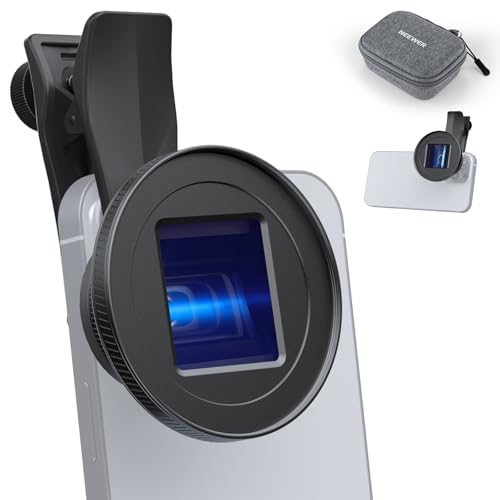
- 1.55x compression creates a 2.4:1 cinematic frame
- Blue streak flares add a retro film look
- 17mm clip fits many iPhone and Android phones
Best For: Creators filming on smartphones who want a portable widescreen anamorphic look
Smartphone Cine Lens
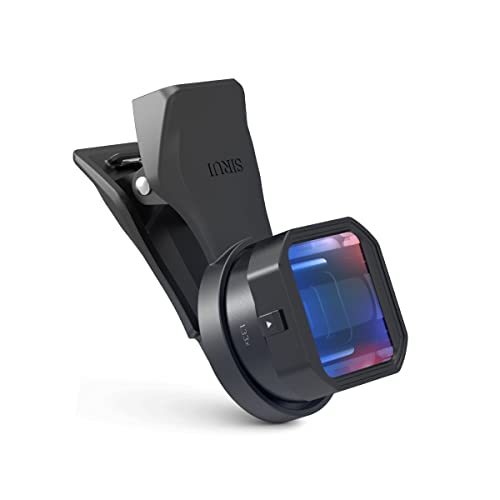
- 1.33x squeeze for 2.4:1 smartphone video
- German Schott glass with coated optical elements
- Includes clip, caps, and hard case
Best For: Mobile creators wanting a lightweight anamorphic attachment for cinematic phone video
Phone Cinematic Pick
USKEYVISION 1.55X Anamorphic Lens

- 2.76:1 widescreen look from a 1.55X squeeze
- Works with Filmic Pro, ProMovie, and FotorGear
- Includes universal and metal phone clips
Best For: Smartphone creators who want a wide anamorphic look with app-based control
Mirrorless Studio Option

- 2.4:1 cinematic video without post-cropping
- Compact aluminum body with Schott glass elements
- Manual focus and aperture with gear rings
Best For: Sony E APS-C filmmakers wanting a compact anamorphic cinema lens
RF Cinema Telephoto

- 75mm anamorphic look with a 1.33X squeeze
- Creates 2.4:1 video without post-cropping
- Blue flare, oval bokeh, and manual focus
Best For: Canon RF shooters who want a longer anamorphic lens for controlled scenes
Cinema Wide 24mm S35 – SIRUI 24mm Anamorphic Lens
SIRUI 24mm Anamorphic Lens F2.8 1.33X S35 Camera Lens for RF Mount, Blue Flare
Check Price On AmazonIf you want an anamorphic lens for video production studio work with a wider field of view and a classic cinematic look, this SIRUI 24mm option is built for that role. Its 1.33x squeeze creates a 2.4:1 image, while the blue flare and oval bokeh help give studio footage a more film-like finish.
Best For: Studio shooters who need a wide S35 anamorphic prime for cinematic interviews, product shots, and controlled indoor sets.
Pros:
- 1.33x squeeze delivers a 2.4:1 widescreen look.
- 24mm focal length gives an expansive angle of view.
- 0.6m minimum focus helps in tighter shooting spaces.
- Schott glass with Nano-coating is designed for sharp, cinematic results.
Cons:
- Manual focus only, so it is less convenient for fast-moving setups.
- RF mount limits compatibility to Canon RF cameras.
- Designed for S35 coverage, not full-frame cameras.
Overall, this lens is a strong fit for creators who want a true anamorphic signature without leaving a controlled production environment. It offers a practical balance of width, flare, and focus handling for studio video work.
Action Cine Wide – GoPro Anamorphic Lens Mod
The GoPro Anamorphic Lens Mod is a practical anamorphic lens for video production studio creators who also need ultra-wide capture on a HERO13 Black. It delivers a cinematic 21:9 look, adds horizontal flares, and supports in-camera de-squeezing so you can review footage right away.
Best For: HERO13 Black users who want a fast, wide, cinematic lens for stabilized shots and streamlined post work.
Pros:
- Ultra-wide 21:9 aspect ratio gives footage a cinematic format.
- In-camera de-squeezing reduces editing steps after capture.
- Horizontal flares and reduced distortion add a film-style look.
- Works with HyperSmooth and is waterproof for tough shooting conditions.
Cons:
- Only compatible with the GoPro HERO13 Black.
- Best results are recommended with a gimbal or other mechanical stabilization.
- Fixed ultra-wide perspective is not as flexible as interchangeable cinema primes.
This accessory is ideal if your studio or production workflow is built around GoPro footage and you want an easier route to anamorphic styling. It is especially appealing for creators who value speed, stabilization, and immediate playback.
Autofocus Full-Frame Cine – SIRUI Astra 75mm Lens
If you need an anamorphic lens for video production studio work with full-frame coverage and autofocus, the SIRUI Astra 75mm is aimed at professional crews. It uses a constant 1.33x squeeze to produce a 2.35:1 image, with selectable blue or neutral flare options and a fast T1.8 aperture for low-light shooting.
Best For: Full-frame Sony E shooters who want autofocus anamorphic control for narrative, commercial, and studio production.
Pros:
- Full-frame coverage with a 44mm image circle.
- Autofocus plus AF/MF switching supports flexible on-set use.
- 1.33x squeeze creates a ready-to-deliver 2.35:1 image.
- T1.8 aperture helps in low light and adds shallow depth of field.
Cons:
- Only compatible with Sony E mount cameras.
- 75mm focal length is less versatile in very tight rooms.
- Premium cine design may be more than casual shooters need.
For studio teams that want anamorphic character without giving up autofocus, this lens stands out as the most production-friendly option in the group. It is well suited to controlled sets where focus accuracy, flare choice, and full-frame image coverage matter.
Magnetic Pocket Cinema – K&F 1.2X Anamorphic Lens
The K&F CONCEPT 1.2X anamorphic lens is a compact anamorphic lens for video production studio use with the DJI Osmo Pocket 3. It uses a 1.2x squeeze for a wider angle and cinematic aspect ratio, while the blue streak effect and multi-coated optical glass help preserve a polished look.
Best For: Osmo Pocket 3 creators who want a lightweight magnetic anamorphic add-on for quick cinematic shooting.
Pros:
- 1.2x squeeze adds a widescreen cinematic feel.
- Magnetic attachment makes installation quick and easy.
- AGC optical glass is designed to maintain color accuracy.
- 28-layer coatings help resist water, dust, grease, and scratches.
Cons:
- Made specifically for the DJI Osmo Pocket 3.
- Less aggressive squeeze than 1.33x options.
- Best to remove before closing the camera, which adds a handling step.
This is a smart pick for compact rigs where speed and portability matter more than interchangeable-lens flexibility. It brings anamorphic styling to a small camera system with minimal setup effort.
Studio Cinema Prime – SIRUI 35mm 1.33X Anamorphic M4/3 Lens
SIRUI 35mm Anamorphic Lens F1.8 1.33X APS-C Cinema Lens for M4/3 Mount(SR-35M)
Check Price On AmazonIf you want an anamorphic lens for video production studio work that delivers a classic widescreen look in-camera, this SIRUI 35mm F1.8 is built for that job. Its 1.33x squeeze factor widens the horizontal field of view for a 2.4:1 cinematic image without post-cropping, and the manual aperture range gives you control over the blue flare and starburst look as lighting changes.
Best For: Micro Four Thirds shooters who want a compact manual cinema lens for controlled studio video and cinematic widescreen framing.
Pros:
- 1.33x anamorphic squeeze produces a 2.4:1 cinematic image without post-cropping.
- F/1.8 to F/16 aperture range helps shape light streaks and starburst effects.
- Designed for Micro Four Thirds mounts with manual focus for deliberate framing.
- Claims sharp, high-resolution output with controlled chromatic dispersion.
Cons:
- Manual focus only, so it is less convenient for fast-moving production.
- Limited to Micro Four Thirds compatibility, not a universal studio lens.
- Best suited to video creators comfortable working with fixed focal length optics.
For studio crews chasing a wider cinematic feel straight from the camera, this lens offers a straightforward path to anamorphic visuals. It is a practical choice when you want the look, flare, and aspect ratio control of a dedicated cinema-style prime.
Mobile Filmmaker Pick – NEEWER 1.55X Blue Flare Phone Lens
If your studio workflow includes smartphone shooting, this anamorphic lens for video production studio use brings a wide cinematic look to mobile rigs. The 1.55x compression creates a 2.4:1 aspect ratio with a 110% wider field of view, while the blue streak flare effect gives footage a more stylized, filmic finish.
Best For: Mobile filmmakers, vloggers, and content creators who want an easy anamorphic upgrade for supported smartphones.
Pros:
- 1.55x anamorphic compression delivers a 2.4:1 cinematic aspect ratio.
- Blue flare effect adds a distinctive retro, film-style look.
- 17mm threaded clip works with many iPhone, Android, and Samsung phones.
- Multicoated HD optical glass and aluminum housing support sharp, durable use.
Cons:
- Requires compatible smartphone setup and may need lens or app adjustments.
- Rolling shutter and jello effects can show up without stabilization.
- Heavier or longer phone setups may benefit from a cage or case for support.
This is a strong pick if you want anamorphic style without moving to a full camera rig. It is especially useful when you need a portable solution for widescreen mobile video with a recognizable blue flare signature.
Smartphone Cine Lens – SIRUI VD-01 1.33X Anamorphic
For smartphone-based production, this anamorphic lens for video production studio setups is aimed at creators who want widescreen footage and stylized flares. The 1.33x attachment lens is built with German Schott glass and multiple coatings, and it is designed to produce a 2.4:1 cinematic format with light flare and bokeh effects when paired with the recommended SIRUI Lens app or Filmic Pro.
Best For: Smartphone filmmakers who want a lightweight anamorphic attachment with a classic widescreen look.
Pros:
- 1.33x anamorphic design targets a 2.4:1 cinema-style image.
- German Schott glass with anti-reflection and multiple coatings.
- Very lightweight at 19g, making it easy to rig on a phone.
- Includes smartphone clip, lens caps, and hard case for portability.
Cons:
- Requires the SIRUI Lens app for the intended cinematic effect.
- Fixed-focus attachment is less flexible than a full camera lens.
- Designed around smartphone use, so it is not a general-purpose studio lens.
This lens makes sense when you want the anamorphic look in the smallest possible package. It is a practical add-on for mobile video production where size, simplicity, and cinematic styling matter more than interchangeable-lens flexibility.
Phone Cinematic Pick – USKEYVISION 1.55X Anamorphic Lens
If you want an anamorphic lens for video production studio-style mobile shooting, the USKEYVISION 1.55X is built for fast setup with smartphones and a very wide cinematic look. It creates a 2.76:1 super widescreen effect and is designed to work with Filmic Pro, ProMovie, or FotorGear, so it fits best when you already plan to shoot video through a supported app.
Best For: Smartphone filmmakers using iPhone or compatible Android devices with Filmic Pro, ProMovie, or FotorGear for a widescreen cinematic workflow.
Pros:
- 1.55X squeeze produces a 2.76:1 super widescreen image
- Comes with universal and metal phone clips for quicker mounting
- Compatible with iPhone 15 series and many Android phones, Samsung Galaxy, and Google Pixel models
- Includes lens case bag, cleaning cloth, and two lens covers
Cons:
- Requires Filmic Pro, ProMovie, or FotorGear to use properly
- May not work with Android phones that have a native camera in the middle of the back
- Phone-lens setup is less universal than dedicated camera lenses
This is a practical choice if your studio workflow is built around mobile video and you want a wider anamorphic frame without moving up to a dedicated cinema camera system. The tradeoff is app dependence, but the included clips and broad phone support make it a straightforward entry into anamorphic shooting.
Mirrorless Studio Option – SIRUI 35mm F1.8 1.33X APS-C
SIRUI 35mm F1.8 1.33X APS-C Anamorphic Lens Cinema Lens with Adapter for E Mount, Blue Flare
Check Price On AmazonThe SIRUI 35mm F1.8 is an anamorphic lens for video production studio use when you need a compact cinema lens for Sony E-mount APS-C shooting. Its 1.33X squeeze delivers a 2.4:1 cinematic video frame without post-cropping, and the blue flare character gives it a classic anamorphic look for controlled studio work.
Best For: Sony E-mount APS-C shooters who want a lightweight manual anamorphic lens for cinematic video and blue flare character.
Pros:
- 1.33X squeeze creates a 2.4:1 cinematic image without post-cropping
- Compact aircraft-aluminum build is designed to be robust yet portable
- German Schott glass elements and HD coating support sharp, high-resolution output
- Manual aperture from f/1.8 to f/16 with gear rings for focus and aperture control
Cons:
- Manual focus only, so it is less convenient for run-and-gun use
- Made for Sony E mount APS-C cameras, limiting system compatibility
- No image stabilization is included
This lens fits a studio setup where you can work deliberately with focus, aperture, and framing. If you want a compact anamorphic lens that still delivers the signature horizontal stretch and blue flare look, it is a strong value-oriented cinema option.
RF Cinema Telephoto – SIRUI 75mm F1.8 1.33X S35
The SIRUI 75mm F1.8 is an anamorphic lens for video production studio projects that need a longer perspective and strong cinematic character. With a 1.33X squeeze, it produces a wider 2.4:1 image without post-cropping, while the 75mm focal length is better suited to tighter framing, portrait-style shots, and controlled set work on Canon RF mount cameras.
Best For: Canon RF mirrorless users who want a long anamorphic lens for controlled studio scenes, portraits, and cinematic close framing.
Pros:
- 1.33X squeeze gives a 2.4:1 cinematic frame without post-cropping
- 75mm focal length is useful for tighter, more compressed compositions
- Produces horizontal sci-fi reflections and oval bokeh for a classic anamorphic look
- Robust aviation aluminum build with Schott glass elements
Cons:
- Manual focus only
- Minimum focusing distance is 1.2 m, which limits close-up flexibility
- Heavier than compact lens options at about 799 g
For studio filmmakers who want a longer anamorphic field of view, this lens is the most specialized option in the group. It is not the easiest everyday lens, but it rewards controlled setups with distinctive flares, bokeh, and a polished cinematic frame.
How We Picked the Best Anamorphic Lens for Video Production Studio
We focused on lens options that fit real studio use: consistent image character, practical focal lengths, mount compatibility, and clear cinematic benefits. For an Anamorphic Lens for Video Production Studio work, the best choice is usually the one that balances sharpness, crop factor, and ease of use with your camera system.
Quick Comparison
Not every anamorphic lens serves the same role. Smartphone lenses are best for lightweight content creation and social video, while dedicated cine lenses are better for controlled shoots, interviews, commercial work, and narrative production. Wider focal lengths suit establishing shots and tighter studio spaces; longer focal lengths are better for portraits, product detail, and more compressed backgrounds.
Key Buying Factors for Anamorphic Lens for Video Production Studio
Mount and System Compatibility
Confirm whether the lens is built for RF, E mount, M4/3, APS-C, full frame, or mobile use. A great lens is not useful if it does not fit your camera body or accessories.
Squeeze Ratio and Delivery Format
Most creators will choose between 1.33x, 1.55x, and 1.2x options. Lower squeeze ratios are easier to work with and often suit fast studio setups, while higher ratios can deliver a more dramatic widescreen look if your workflow supports it.
Flare Style and Color
Blue flare gives a more stylized, high-contrast cinematic feel. Neutral flare is better when you want a subtler image or need a more flexible look for client work.
Focal Length and Working Distance
Wide anamorphic lenses help in tighter rooms and for set-overview shots. Short telephoto choices are better for interviews, beauty work, and controlled depth separation in a studio environment.
Focus Type and Handling
Autofocus can speed up production, especially on hybrid or run-and-gun shoots. Manual cine lenses often offer better tactile control for follow focus rigs, but they require more operator skill.
Who Should Buy Which Anamorphic Lens for Video Production Studio?
If you shoot on a smartphone, a clip-on or mobile anamorphic lens is the most affordable way to get a cinematic look. If you work with mirrorless cameras, a dedicated APS-C or full-frame cine lens is the stronger choice for consistent image quality and pro-level control. For action or creator content, an accessory lens may be enough; for studio interviews, ads, or branded content, invest in a purpose-built lens that matches your camera system and post-production pipeline.