The best cajons for recording combine a controlled bass response, clear snare detail, and a cabinet that stays quiet and consistent under microphones. The right choice depends on your playing style, room, and whether you need onboard pickup output.
We selected 10 cajons spanning studio-focused models, pickup cajons, bass designs, adjustable snares, and affordable options so you can match the instrument to your recording setup.
Best 10 Cajons for Recording Picks for 2026
Best for amplified recording

- Factory-installed passive Piezo pickups
- Separate bass and snare controls
- Forward port for projected low end
Best For: Recording and amplified acoustic performances
Best budget acoustic pick

- Built-in rear bass port
- Two sets of fixed curly snare wires
- Simple MDF and meranti construction
Best For: Entry-level microphone recording
Best with included gig bag
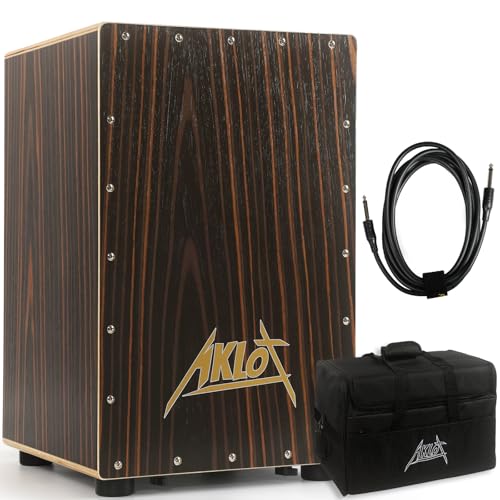
- Adjustable internal snares
- Full-size 18-inch playing height
- Includes a padded nylon gig bag
Best For: Mobile recording and stage sessions
Best for deep bass

- Ported sound hole emphasizes bass
- Adjustable micro-coiled snare strings
- Stable silicone feet reduce vibration
Best For: Bass-forward acoustic recording
Best Budget-Friendly Cajon for Recording

- Internal guitar strings for rhythmic tone
- Compact 10.9-pound birch-wood design
- Rubber feet help reduce vibration
Best For: Beginners, practice, and portable recording
Best Versatile Cajon for Recording
Meinl Snarecraft Professional Cajon

- Switchable snare and open cajon tones
- Baltic birch body with walnut frontplate
- Rounded corners and silicone feet
Best For: Studios, acoustic shows, and flexible sound shaping
Best Bass Cajon for Recording

- Deep bass from jumbo body and reflex channels
- Fixed steel snares add crisp attack
- Walnut surface with forward-facing sound ports
Best For: Bass-forward acoustic recording and larger performances
Best with Extra Features

- Three internal Piezo pickups
- Volume and tone controls
- Baltic birch body with fixed snares
Best For: Direct connection to an amp or PA during recording or performance
Best Acoustic Recording Value

- Rear port aids projection and mic placement
- Fixed steel snares
- Compact Baltic birch construction
Best For: Mic-based recording, acoustic shows, and beginner players
Best Adjustable Budget Option

- Adjustable internal snare wires
- Compact birch-wood design
- Includes seat cushion and hex wrench
Best For: Budget recording setups and players learning to shape snare tone
Best for amplified recording – Pickup Slaptop Cajon
For cajons for recording that need direct connection to a PA or amplifier, this Meinl Slaptop Cajon adds factory-installed passive Piezo pickups. Its walnut playing surface provides bass and snare zones, while the forward-facing port helps project the acoustic sound toward the audience.
Best For: Recording setups, amplified acoustic performances, and players who need adjustable bass and snare output.
Pros:
- Built-in pickups provide separate bass and snare controls without batteries.
- Two quarter-inch jacks support output and linking compatible Meinl instruments.
- Walnut surface and Baltic birch body deliver warm, projected cajon tones.
- Large turbo-size design offers substantial acoustic volume.
Cons:
- Power cable is not included.
- Its larger 9-pound design may be less convenient for portable setups.
This is the most recording-ready choice in the group when you want a straightforward instrument-to-amp or PA connection. It is especially practical when a microphone alone may not provide enough control or volume.
Best budget acoustic pick – Primero Crate-style Cajon
If you are choosing cajons for recording on a budget, Pearl’s Primero Crate-style model keeps the design simple: an MDF body, meranti faceplate, fixed snare wires, and a built-in rear bass port. It is a basic acoustic option for capturing the instrument with a microphone.
Best For: Entry-level home recording, casual acoustic sessions, and buyers seeking a straightforward cajon.
Pros:
- Rear bass port supports low-end projection.
- Two sets of fixed curly snare wires provide a defined snare effect.
- Compact crate-style format is suitable for simple percussion setups.
- Two-year warranty is included.
Cons:
- Fixed snare wires offer less tonal adjustment than adjustable designs.
- No pickup or onboard electronic output is listed.
This model makes sense when your recording chain already includes a microphone and you do not need onboard electronics. Its fixed internal setup favors convenience over extensive sound customization.
Best with included gig bag – AKLOT Electric Cajon
This AKLOT cajon is a full-size acoustic-electric option for cajons for recording, practice, and stage use. Its internal snares are adjustable with a tuning button, and the included padded nylon bag helps protect it during transport.
Best For: Players who want adjustable snare response, a full-size seat, and a carrying bag for mobile sessions.
Pros:
- Internal snares can be adjusted without a wrench.
- Full-size 18-inch height is designed for comfortable adult playing.
- 12mm padded nylon gig bag is included.
- Rubber feet help stabilize the cajon while playing.
Cons:
- The supplied notes do not specify the details of its electronic output or controls.
- Its ebony wood construction may be heavier than a basic MDF alternative.
The adjustable snare system gives this cajon useful flexibility for dialing in a recorded part. It is a practical choice for musicians who also need to carry the instrument to rehearsals, jams, or performances.
Best for deep bass – Backbeat Bass Cajon
For cajons for recording where low-end impact matters, the Meinl Backbeat Bass Cajon combines a permanently secured ported sound hole with a hardwood playing surface. Its two sets of adjustable micro-coiled strings let you refine the crispness of the snare effect.
Best For: Acoustic recording, worship bands, outdoor jams, and players who want a pronounced bass response.
Pros:
- Ported sound hole is designed for extra-deep bass projection.
- Adjustable strings allow the snare tension to be fine-tuned with the included hex key.
- Hardwood playing surface responds across a wide range of dynamics.
- Silicone feet help reduce unwanted vibration and keep the cajon stable.
Cons:
- No electronic pickup or output is listed.
- At 11 pounds, it is heavier than some compact cajon options.
This cajon is a strong fit when the recorded groove depends on a full, thumpy bass tone but you still want control over the snare response. Plan to use a microphone-based recording setup, since the supplied specifications do not include electronics.
Best Budget-Friendly Cajon for Recording – Pyle Stringed Jam Cajon
For shoppers seeking cajons for recording without a bulky instrument, the Pyle Stringed Jam Cajon offers a compact birch-wood design with internal guitar strings for a smooth rhythmic character. Its lightweight build and rubber-capped feet also make it easy to position and stable during sessions.
Best For: Beginners, casual recording, practice, and musicians who need a portable cajon.
Pros:
- Internal guitar strings provide a distinct rhythmic sound.
- Compact 12 x 12 x 18-inch design weighs 10.9 pounds.
- Rubber-capped feet help reduce unwanted vibration.
- Birch-wood construction and a one-year warranty.
Cons:
- Its compact design may offer less projection than full-size cajons.
- Sound controls and snare switching are not listed.
The Pyle is a practical entry-level option when portability and affordability matter. For more nuanced studio tone shaping, consider a model with adjustable or switchable snare features.
Best Versatile Cajon for Recording – Meinl Snarecraft Professional Cajon
The Meinl Snarecraft Professional is a strong choice among cajons for recording because its side dial lets you engage or disengage the internal snares. That gives you crisp snare tones or a more open hollow sound, while the Baltic birch body and walnut frontplate provide a full wood tone.
Best For: Home studios, acoustic performers, worship musicians, and players who want two core sounds in one cajon.
Pros:
- Mechanical knob switches the snares on or off.
- 9-ply Baltic birch body and walnut frontplate offer a rich wood tone.
- Rounded top corners improve hand comfort and slap control.
- Solid silicone feet help stabilize the cajon and reduce vibration.
Cons:
- At about 11 to 12 pounds, it is less lightweight than compact models.
- It has no electronic connector for direct recording output.
With quick snare adjustment and a full-size body, this Meinl is the most flexible pick here for recording contrasting parts. It still requires microphones or other acoustic recording equipment because it has no connector.
Best Bass Cajon for Recording – Meinl Subwoofer Bass Cajon
If low-end impact is central to your search for cajons for recording, the Meinl Subwoofer Bass Cajon is designed to deliver deeper bass than traditional models. Its jumbo body, internal bass-reflex channels, forward-facing ports, and walnut playing surface aim for controlled thump while retaining crisp snare tones.
Best For: Recording bass-forward acoustic arrangements, worship music, outdoor jams, and players who want a larger sit-on cajon.
Pros:
- Jumbo body and bass-reflex channels produce deep subwoofer-style lows.
- Two fixed steel snare sets add crisp, snappy accents.
- Walnut playing surface offers warmth and punch.
- Silicone feet stabilize the larger cajon and help limit vibration.
Cons:
- The 17-pound jumbo design is less portable than smaller cajons.
- Fixed snares cannot be switched off according to the supplied notes.
- Its strong bass may require careful microphone placement in a recording setup.
This Meinl stands out when a recording needs substantial acoustic low end without electronic amplification. Choose it over a standard cajon when bass presence and a larger playing surface are more important than portability.
Best with Extra Features – Pickup Snarecraft Cajon
For cajons for recording, the Meinl Pickup Snarecraft stands out by adding three factory-installed Piezo pickups to a full-size Baltic birch cajon. Its two volume and tone controls let you send the snare and bass signals to an amplifier or PA with a quarter-inch cable, while the cajon can still be played acoustically.
Best For: Players who need a cajon that can connect directly to amplification for rehearsals, live use, or recording setups.
Pros:
- Three internal pickups capture the snare and bass zones and require no batteries.
- Volume and tone controls provide practical control over the amplified sound.
- European-made Baltic birch construction and fixed coiled steel snares support a clear, precise tone.
- Full-size design measures 11 3/4 by 19 by 11 3/4 inches and supports adults and children.
Cons:
- A quarter-inch cable is not included.
- The pickup system may be unnecessary if you only plan to record with a microphone.
- It weighs 9 pounds, making it less lightweight than compact alternatives.
This is the strongest choice here when direct output matters. The pickup system expands placement and volume options, while the Baltic birch body and fixed snares preserve a conventional cajon feel when played unplugged.
Best Acoustic Recording Value – Meinl Jam Cajon
The Meinl Jam Cajon is a straightforward option for cajons for recording when you plan to capture the instrument with a microphone. Its Baltic birch body produces bass and snare tones, and the four-inch rear sound port can strengthen projection while also providing a convenient microphone placement area.
Best For: Beginners, acoustic performers, and home recording setups seeking a compact cajon with balanced bass and snare sounds.
Pros:
- Two fixed steel snare sets provide crisp, snappy tones.
- The rear sound port supports projection and can help with microphone placement.
- Compact 10.25 by 15 by 10.25-inch size and 6-pound weight make it portable.
- Silicone feet stabilize the cajon and help reduce unwanted vibrations.
Cons:
- It has no built-in pickup or direct output for an amplifier or PA.
- The compact body may offer less low-end presence than a larger cajon.
- Its fixed snares do not offer the same tone adjustment as an adjustable-wire design.
Choose the Jam Cajon if your recording chain already includes a microphone and you want a portable, uncomplicated instrument. Its rear port, stable feet, and balanced sound profile make it especially practical for acoustic sessions and informal recording.
Best Adjustable Budget Option – VEVOR SN10-A1 Cajon
For cajons for recording on a budget, the VEVOR SN10-A1 offers internal snare wires that can be adjusted from the bottom with the included hex wrench. Its compact birch-wood design delivers bass and high tones acoustically, making it a practical starting point for hand-mic recording or learning rhythm.
Best For: Beginners and budget-conscious players who want adjustable snare tension in a compact cajon.
Pros:
- Adjustable internal strings let you loosen or tighten the snare response.
- Birch construction provides warm bass and clear highs with responsive playing.
- Silicone feet offer stability and help protect floors from scratches.
- Includes a seat cushion and hex wrench for setup and playing comfort.
Cons:
- There is no pickup or direct output for connecting to recording equipment.
- No warranty is listed in the supplied details.
- Its 10 by 10 by 15-inch compact format may produce less bass than a full-size model.
The SN10-A1 is appealing when adjustable snare response matters more than onboard electronics. It is easy to start playing, compact enough to move between sessions, and best suited to acoustic microphone recording rather than direct signal capture.
How We Picked These Cajons for Recording
We focused on features that matter when a cajon is captured by microphones or connected to a recording system: tonal balance, snare adjustability, bass projection, construction, playing-surface response, and portability. Pickup-equipped models were included for players who want a direct signal, while acoustic-only cajons can offer a more natural room sound with suitable microphone placement.
We also considered practical details such as internal snare systems, front- or forward-facing sound ports, wood construction, comfort during extended sessions, warranty coverage, and suitability for genres ranging from acoustic pop and folk to flamenco, worship, and unplugged rock.
Quick Comparison
| Type | Best For | What to Look For |
|---|---|---|
| Pickup cajon | Direct recording and live amplification | Clean output, usable tone controls, low handling noise |
| Adjustable-snare cajon | Flexible studio tones | Accessible snare control and even string response |
| Bass cajon | Low-end-heavy arrangements | Large bass chamber and controlled porting |
| Compact cajon | Travel, practice, and small rooms | Lightweight construction without excessive box resonance |
| Professional European-made cajon | Frequent recording and performance | Consistent build quality, durable hardware, and dependable tuning |
Key Buying Factors for Cajons for Recording
Tone and Microphone Behavior
A recording cajon should produce a defined bass hit and a crisp slap without excessive rattling. A front sound port can add projection, but the room and microphone position will strongly affect the final result. Listen for separation between low and high tones rather than volume alone.
Snare Control
Internal wires or guitar strings create the characteristic snare response. Adjustable systems are valuable in the studio because you can reduce buzz for a drier sound or increase sensitivity for brighter ghost notes. A snare switch can also make it easier to capture bass-only parts.
Pickup and Output Options
Pickup models are useful when bleed, room reflections, or limited microphone placement are concerns. However, direct output may sound less natural than a well-placed microphone, so treat onboard electronics as a flexibility feature rather than an automatic quality advantage.
Construction and Comfort
Baltic birch, betula, and other solid wood-based designs can provide a focused, durable cabinet, while the playing surface influences attack and touch response. Check the seat height, edge comfort, rubber feet, and overall weight if you will play long sessions or transport the instrument often.
Who Should Buy Which Cajons for Recording?
Choose a pickup-equipped Meinl model if you need direct recording, amplification, or fast setup. A Meinl Snarecraft or other adjustable-snare design suits producers who want to shape attack and buzz for different songs. Bass-focused players should consider a dedicated bass cajon for deeper kick-like impact.
For acoustic musicians seeking a natural unplugged sound, a conventional European-made Meinl, Pearl, or Backbeat model is a strong starting point. The Pyle or VEVOR options make sense for beginners, casual sessions, and buyers prioritizing affordability or portability. If you record frequently, prioritize consistent construction, comfortable ergonomics, and snare adjustment over the lowest price.