The best cassette recorders for interviews make it easy to capture spoken conversations without relying on a smartphone, app, or complicated setup. The models in this roundup range from compact pocket recorders to portable units with built-in microphones, speakers, radios, and digital conversion features.
Before choosing one, consider microphone placement, recording controls, power options, playback convenience, and whether you need traditional cassette recording or USB and SD card conversion. This guide highlights the practical differences so you can choose the right recorder for field interviews, oral histories, classroom work, or casual conversations.
Best 10 Cassette Recorders for Interviews Picks for 2026
Best One-Touch Option
JENSEN MCR-100 Cassette Recorder

- One-touch recording with automatic level control
- Built-in and external microphone options
- Portable handle, aux input, and headphone jack
Best For: Interviews, lectures, and personal notes
Best Cassette-to-MP3 Choice
SEMIER USB-C Cassette Recorder

- Records to cassette, SD card, or computer
- Includes 16GB SD card and USB reader
- Compact LCD design with speaker and headphone jack
Best For: Interviewers who want digital audio conversion
Best Simple Interview Recorder

- Stand-alone microphone with auto voice level control
- Clearly labeled physical recording controls
- Portable design with aux input and built-in speaker
Best For: Straightforward voice interviews and conversations
Best Microphone Flexibility

- Free-standing microphone plus external mic jack
- One-touch recording with automatic level control
- Headphone, aux, and AC/DC operation
Best For: Interviews, classes, and conference recording
Compact Everyday Recorder
Portable AM/FM Cassette Recorder
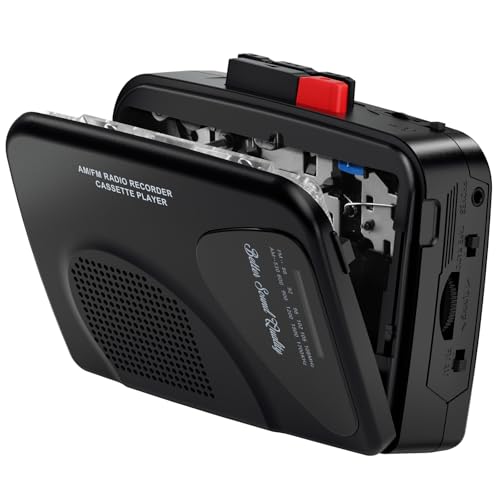
- Records external sounds or radio to cassette
- Voice activation supports hands-off recording
- Uses two AA batteries or 5V DC power
Best For: Portable voice notes, lectures, and casual interviews
Interview-Friendly Classic
Coby Cassette Tape Player and Voice Recorder
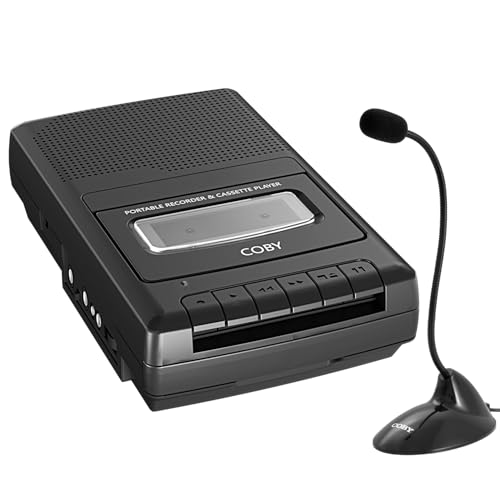
- Includes a detachable standing microphone
- Large controls simplify recording and playback
- Supports AC power or four C batteries
Best For: Tabletop interviews, meetings, and classroom recording
Flexible Boombox Recorder
Bluetooth Cassette-to-USB Boombox

- Records built-in microphone audio to tape or USB
- Supports Bluetooth, USB, cassette, and AM/FM
- Runs on AC power or four C batteries
Best For: Multifunctional recording and cassette-to-USB conversion
Best with Extra Features
Coby Cassette Player and Recorder

- Built-in mic for voice recording
- Battery or AC operation
- Simple controls with headphone jack
Best For: Beginners and basic interview recording
Digital Backup Recorder
USB Cassette Player and Converter

- Converts tapes to WAV via USB
- Records to cassette or USB
- Includes built-in and dedicated mic options
Best For: Interviewers who want digital backups
Compact Interview Recorder
TOMASHI Portable Cassette Player

- Lightweight, compact design
- Built-in mic and speaker
- Automatic stop protects tapes
Best For: Portable notes and brief interviews
Best One-Touch Option – JENSEN MCR-100 Cassette Recorder
For shoppers comparing cassette recorders for interviews, the JENSEN MCR-100 is a straightforward shoebox-style choice with one-touch recording, a built-in condenser microphone, and automatic level control. Its retractable handle and headphone jack also make it practical for portable or private use.
Best For: Interviews, lectures, personal notes, and casual recording on the go.
Pros:
- One-touch recording simplifies capturing conversations and notes.
- Automatic level control helps maintain consistent recording volume.
- Includes a built-in microphone, external microphone jack, auxiliary input, and headphone jack.
- Retractable handle supports portable use.
Cons:
- Records in mono through its built-in microphone.
- Uses a classic cassette format rather than a dedicated digital recorder.
- Warranty is listed as 90 days.
The MCR-100 is a sensible pick when simple controls and flexible connection options matter more than advanced digital features. Its automatic level control is especially useful for uncomplicated interview recording.
Best Cassette-to-MP3 Choice – SEMIER USB-C Cassette Recorder
Among cassette recorders for interviews, the SEMIER stands out for users who want to record with a built-in microphone and preserve audio digitally. It can save recordings to the included 16GB SD card or support cassette-to-MP3 conversion through USB and Audacity.
Best For: Users who want cassette recording plus SD card or computer-based audio conversion.
Pros:
- Records through a built-in sensitive microphone.
- Supports recording to an SD card and conversion to MP3 by USB.
- Includes a 16GB SD card, USB reader, software, and USB-C power cable.
- Compact design offers a speaker, LCD, and headphone jack.
Cons:
- Does not support Type IV or metal tapes.
- Requires setup with software for USB conversion.
- Its feature set may be more than needed for simple cassette-only interviews.
The SEMIER is the most conversion-focused option in this group. Choose it if creating digital copies is part of your workflow; for basic tape recording alone, its extra functions may be unnecessary.
Best Simple Interview Recorder – Tyler TCP-01 Cassette Player
The Tyler TCP-01 is a practical option among cassette recorders for interviews, with a stand-alone microphone, auto voice level control, and clearly labeled physical controls. Its compact shoebox design and retractable handle make it convenient for recording conversations away from a desk.
Best For: Voice interviews, conversations, personal journals, and portable cassette playback.
Pros:
- Designed for voice recording with a stand-alone microphone and auto voice level control.
- Simple Record, Play, Rewind, Fast Forward, Stop/Eject, and Pause controls.
- Auxiliary input connects MP3 players, smartphones, tablets, or other audio players.
- Compact, lightweight body includes a built-in speaker and retractable handle.
Cons:
- Requires a blank cassette tape for recording.
- The supplied notes do not specify battery operation or included batteries.
- Uses analog cassette recording rather than built-in digital storage.
The TCP-01 keeps the interview workflow uncomplicated: insert a blank tape, connect or use the microphone, and press record. It is a good fit for buyers who value tactile controls and portability.
Best Microphone Flexibility – PROSCAN PRC124AMZ Recorder
PROSCAN Cassette Player & Recorder with Microphone, Headphone Jack, Aux in, Black
Check Price On AmazonFor cassette recorders for interviews, the PROSCAN PRC124AMZ offers flexible microphone arrangements: it includes a free-standing microphone and an external microphone jack. One-touch recording, automatic level control, and AC/DC operation support a simple setup for interviews, classes, and conferences.
Best For: Buyers who want microphone flexibility for interviews, classes, and conferences.
Pros:
- One-touch recording is convenient for starting interviews and meetings.
- Includes a free-standing microphone and external microphone jack.
- Automatic level control is intended to support crisp, consistent recordings.
- Offers headphone and auxiliary inputs plus AC/DC operation.
Cons:
- At 1.74 pounds, it is heavier than the compact Tyler model.
- Records in an analog cassette format.
- The supplied notes do not mention a retractable handle or included cassette tape.
The PROSCAN is a strong choice when microphone connection options are a priority. Its larger, more substantial design may suit stationary interview setups better than highly mobile recording.
Compact Everyday Recorder – Portable AM/FM Cassette Recorder
For shoppers comparing cassette recorders for interviews, this compact Mersoco model offers voice recording, AM/FM listening, and simple cassette controls in a lightweight design. Its voice activation system and included earphones make it suitable for straightforward recording and playback, though users should plan around its basic 3.5mm connectivity.
Best For: Portable voice notes, lectures, seminars, and casual interview recording where compact size matters.
Pros:
- Supports recording external sounds and AM/FM broadcasts to cassette.
- Voice activation system can help begin recording when sound is detected.
- Runs on two AA batteries or a 5V DC connection.
- Includes 3.5mm headphones and a USB-to-DC power cable.
Cons:
- AA batteries and a 5V adapter are not included.
- Its frequency response is listed as 125–6.3 kHz, so it is aimed at basic recording rather than high-fidelity audio.
- Recording is cassette-based, with no listed digital file export.
This is a practical pick when portability, radio access, and simple tape recording are more important than advanced interview features. For demanding field work, verify that the built-in recording setup suits your microphone and audio-quality needs.
Interview-Friendly Classic – Coby Cassette Tape Player and Voice Recorder
Among cassette recorders for interviews, the Coby CVR42BK stands out for its detachable tabletop microphone and large, easy-use controls. It is designed for recording voice notes, lectures, meetings, and interviews, with a built-in speaker, headphone jack, and dual AC or battery power.
Best For: Tabletop interviews, classroom recording, meetings, and users who prefer a dedicated standing microphone.
Pros:
- Includes a detachable standing microphone for hands-free tabletop recording.
- Large Play, Stop, Record, Rewind, and Fast Forward buttons are easy to operate.
- Built-in speaker, 3.5mm headphone jack, and aux input provide flexible listening options.
- Works with four C batteries or the included AC adapter.
Cons:
- The unit weighs 1.8 pounds, making it less convenient than smaller handheld recorders.
- Its listed recording format is WAV, but the product is primarily presented as a cassette recorder; confirm the desired recording workflow before buying.
- Four C batteries are required for battery operation.
The included standing microphone makes this one of the more purpose-built options for seated interviews and spoken-word recording. Its shoebox-style design favors easy operation and stability over ultra-portable field use.
Flexible Boombox Recorder – Bluetooth Cassette-to-USB Boombox
For buyers seeking versatile cassette recorders for interviews, this WISCENT boombox combines a built-in microphone with cassette, USB, Bluetooth, and AM/FM functions. It can record microphone audio to blank tape or USB, making it useful when you want more playback and storage options than a traditional cassette-only device.
Best For: Users who want a multifunctional recorder for interviews, tape playback, USB recording, and general home or portable audio use.
Pros:
- Built-in microphone recording can save audio to blank tape or a USB drive.
- Supports cassette playback, USB playback, Bluetooth, 3.5mm audio, and AM/FM radio.
- Offers multiple recording paths, including tape-to-USB and USB-to-tape.
- Includes two speakers and can run from AC power or four C batteries.
Cons:
- Four C batteries are not included.
- Its boombox format is larger and less discreet than a compact handheld recorder.
- The supplied details do not specify an external microphone input for interview use.
This is the strongest choice here for flexible recording and media conversion rather than minimalist interview work. Choose it if USB storage, Bluetooth playback, and cassette-to-MP3 functionality are valuable; otherwise, its larger boombox design may be more capability than you need.
Best with Extra Features – Coby Cassette Player and Recorder
For shoppers comparing cassette recorders for interviews, the Coby CVR-22 is a straightforward option with a built-in microphone, simple controls, and flexible battery or AC power. It can record voice notes, lectures, and interviews without requiring separate recording equipment.
Best For: Beginners, seniors, and at-home or portable interview recording.
Pros:
- Built-in microphone supports self-contained voice recording.
- Runs on four C batteries or AC power.
- Simple buttons and clear labels are easy to operate.
- Includes a headphone jack and aux input for flexible listening.
Cons:
- Uses cassette recording rather than digital storage.
- Four C batteries are required for battery operation.
- The built-in microphone may be less flexible than a separate microphone.
The Coby is a practical pick when ease of use matters more than advanced features. Its built-in mic and dual power options make it convenient for basic interviews, though users seeking direct digital file transfer will need a different type of recorder.
Digital Backup Recorder – USB Cassette Player and Converter
If you want cassette recorders for interviews with a path to digital backup, this portable model combines cassette recording, USB recording, and WAV tape conversion. Its built-in and dedicated microphone options add flexibility for lectures, dictation, and interviews.
Best For: Users who want to record interviews and convert cassette audio to WAV files without a computer.
Pros:
- Converts cassette content directly to WAV files on a USB flash drive.
- Records external audio to cassette or USB.
- Offers a built-in mic plus a dedicated microphone.
- Supports battery or USB-to-DC power and includes a retractable handle.
Cons:
- AC adapter is sold separately.
- Four 1.5V C batteries are not included.
- For better results, the sound source must be placed close to the microphone.
This is the most versatile choice of the three for preserving recordings, since it can create WAV backups directly on a USB drive. It is a strong fit for users who still want cassette functionality but prefer easier digital file management.
Compact Interview Recorder – TOMASHI Portable Cassette Player
For portable cassette recorders for interviews, the TOMASHI F-119F-318F keeps the design small and uncomplicated. It includes a built-in microphone, speaker, recording controls, and a headphone jack in a lightweight body measuring 4.57 by 3.54 by 1.38 inches.
Best For: Users who need a lightweight recorder for brief interviews, language practice, or personal notes.
Pros:
- Compact 180-gram design is easy to carry.
- Built-in microphone supports recording without extra equipment.
- Can play through its speaker or a pair of headphones.
- Automatic stop helps prevent unnecessary cassette and mechanism wear.
Cons:
- USB power supply and two AA batteries are not included.
- Single built-in speaker provides mono playback.
- Its small format offers fewer connectivity options than larger models.
The TOMASHI is a convenient choice when portability is the priority. Its recording button and built-in mic cover basic interview needs, while the automatic stop feature helps protect tapes after playback ends.
How We Picked the Best Cassette Recorders for Interviews
We focused on features that matter during real interview sessions: built-in microphone performance, one-touch or manual recording, simple controls, portability, playback options, and dependable power choices. We also considered whether each model supports an external microphone, headphones, auxiliary input, USB, SD cards, or tape-to-digital conversion.
Because cassette hardware varies widely, the list includes both straightforward analog recorders and multifunction devices. A simple shoebox-style unit may be better for quick voice notes, while a converter model can help preserve older recordings or move interviews to a computer.
Quick Comparison
| Best For | Features to Look For |
|---|---|
| Basic field interviews | Built-in microphone, one-touch recording, speaker, and battery power |
| Longer recording sessions | AC or USB power, accessible controls, and headphone monitoring |
| Interview playback | Clear speaker output, headphone jack, rewind, and fast-forward |
| Archiving tapes | USB or SD conversion and computer-compatible audio output |
| Flexible media use | Bluetooth, AM/FM radio, auxiliary input, or USB playback |
Key Buying Factors for Cassette Recorders for Interviews
Microphone and Recording Controls
A built-in microphone is convenient, but placement affects clarity. Choose a recorder with a front-facing microphone and simple record, pause, stop, and rewind controls. A model with an external microphone input can offer more flexibility in noisy environments, although not every compact recorder supports one.
Power and Portability
Battery-powered recorders are useful for mobile interviews, while AC or USB power is more practical for extended sessions. Check the battery type and carry spare batteries if you will be away from an outlet. A handle, stand, or compact body can also make the recorder easier to position near a speaker.
Playback and Monitoring
Built-in speakers help with quick checks, but a headphone jack is preferable when you need to review a recording privately or listen for speech detail. Confirm that the controls allow easy rewinding and repeated playback before an important interview.
Analog Recording Versus Digital Conversion
Traditional cassette recording is simple and familiar, but tapes can wear out and are harder to share. USB- or SD-enabled models may let you convert recordings to digital files, though setup and included software can vary. If digital archiving is important, verify the supported storage format and connection method.
Who Should Buy Which Cassette Recorders for Interviews?
Choose a compact basic recorder if you need a lightweight tool for occasional interviews, classroom projects, or oral-history notes. A model with AC power and a larger speaker is better for repeated recording and group playback. If you already own cassette tapes or want computer backups, select a converter-equipped unit with USB or SD support. For maximum versatility, consider a boombox-style recorder with radio, auxiliary, Bluetooth, or USB features—but expect a larger footprint.